It had finally arrived.
At a transfer point in a small village in Malawi a group of parents, elders, and local health workers stood ready. Some had brought carts; others had cleared space on boats. If they had to, they would carry it on their shoulders. Whatever it took, they would get it to the clinic.
“There was a lot of excitement,” recalls Mphatso Mtenje, who was then a manager in Malawi’s vaccine management program.
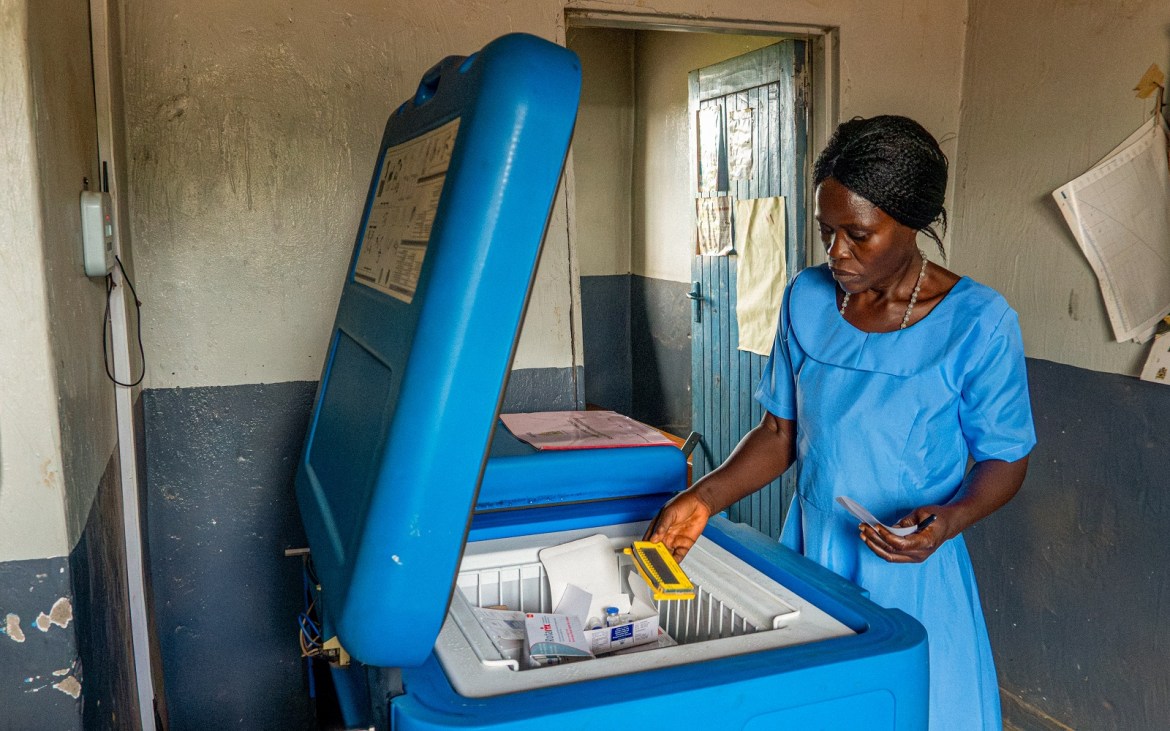
This wasn’t just any delivery; it was a solar powered refrigerator. Unlike old models that relied on fuel, batteries, or an unreliable electrical grid, this one ran on sunlight alone. And in remote villages where power failures had long put vaccines—and children’s lives—at risk, this fridge could change everything.
A game-changing arrival in Malawi
For decades, vaccine storage in Malawi depended on unreliable refrigeration—fridges that ran on kerosene, gas, or battery power. Power outages and fuel shortages meant that doses could spoil before reaching the children who need them.
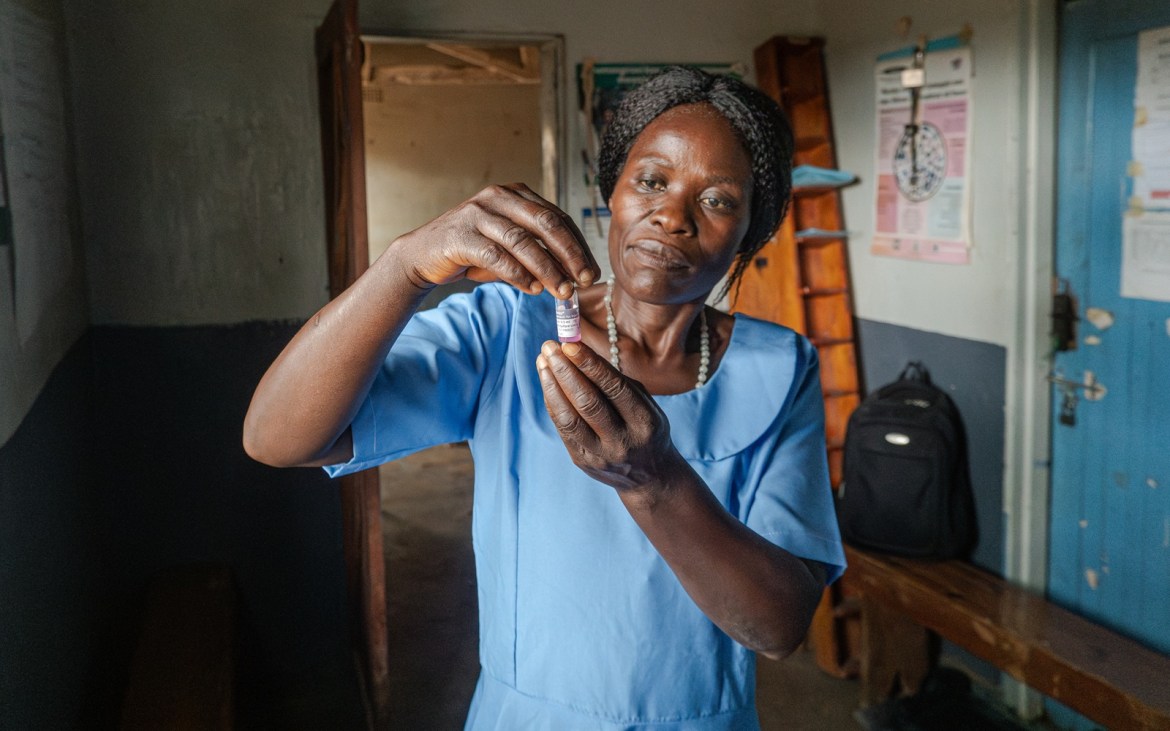
Picture yourself as a health clinic worker. By the time you start your day, mothers, fathers, and caretakers are lined up outside with infants in their arms, eager to protect their children from diseases such as measles, polio, and pneumonia. But today you must tell them you can’t provide any vaccines—the old fridge stopped working, and the vaccines stored inside are now unusable. Defeated, the families have no choice but to turn around and walk home, which for some might be more than 5 kilometers away.
Subscribe to The Optimist to get weekly updates on the latest in global health, gender equality, education, and more.
By submitting your email to subscribe, you agree to the Gates Foundation’s Privacy & Cookies Notice.
For many years, this scenario was not uncommon. Solar-powered refrigerators, known as solar direct-drive (SDD) refrigerators, changed that. Unlike older models, SDD fridges don’t rely on backup batteries or an unstable power grid. Instead, they connect directly to solar panels and store energy as ice, keeping vaccines at the precise temperatures needed to remain effective.
SDD fridges ensure that vaccine doses stay cold in places without reliable electricity. When SDD fridges became available in some areas of Malawi several years ago, residents couldn’t wait to get them up and running.
“Community members mobilized themselves to help get the fridges to the health clinics,” says Mtenje, who is now a consultant to UNICEF on vaccine management. At one clinic, where the door was too narrow for the bulky new fridge to pass through, neighbors removed part of an adjoining wall to make room. Rebuilding it brick by brick would be a small price to pay for something this important.
Malawi had already dramatically reduced childhood mortality, thanks in part to immunization efforts. Since 2000, vaccines have contributed to a nearly 50% reduction in death and illness among children under age 5 worldwide. Gavi, the Vaccine Alliance, has played a big role in that success, ensuring that children in low- and middle-income countries have access to vaccines that save lives.
Why keeping vaccines cold is critical
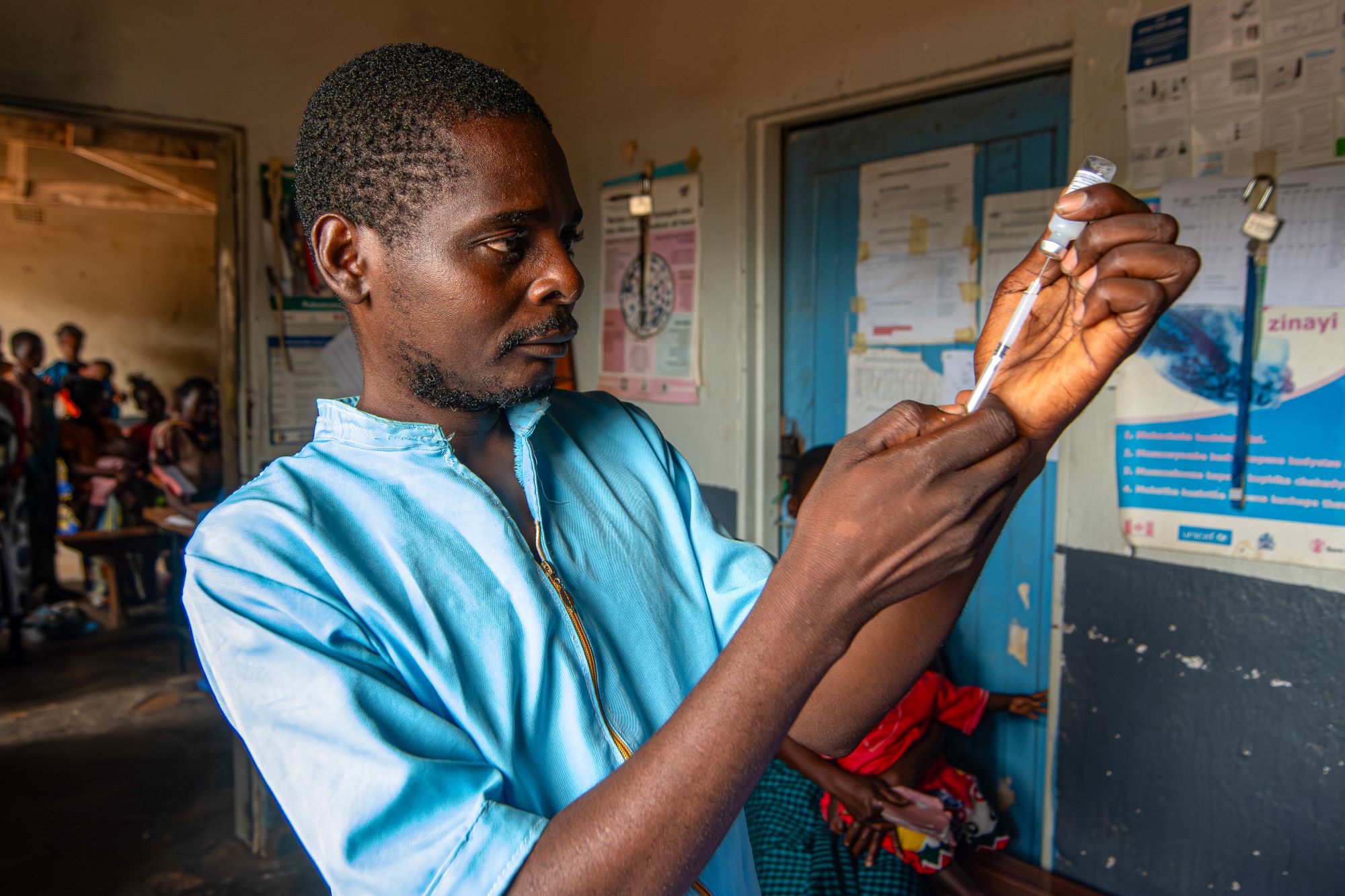
Vaccine doses must be kept cold—between 2 and 8 degrees Celsius, to be exact. Any warmer and they’ll spoil; any lower and they’ll freeze.
“The vaccines have to be potent,” says Mtenje. He says that when a vaccine isn’t kept at the right temperature, “We have lost—the cost of the vaccine, the cost of distributing it, the costs incurred by the community when children get sick from vaccine-preventable diseases.”
Community health clinics in Malawi and other places around the world relied on kerosene- or gas-powered refrigerators for years. As many as a billion people live in places without electric power. In Malawi, about 40% of community health clinics aren’t on the electrical grid.
Whether the doses are transported by truck, car, donkey, or drone or even on foot by health care workers, each step requires cold chain equipment.
According to Mtenje and his colleague Gray Phiri, a cold chain manager in Malawi, many clinics throughout the country had trouble getting fuel. Some in the north sent workers into Zambia whenever they ran out. But budgets were often too tight to buy more fuel, so many fridges sat idle. “Caregivers would arrive at the clinic and learn the fridge wasn’t running because they’re waiting for kerosene,” Mtenje recalls.
Getting a vaccine into the arm of an infant requires a precisely timed (and very cold) journey. Vaccines travel from temperature-controlled manufacturing facilities via a refrigerated cargo container to national-level cold storage rooms. From there, they are distributed regionally, and then to large urban districts, tiny villages, and everywhere in between. Whether the doses are transported by truck, car, donkey, or drone or even on foot by health care workers, each step requires cold chain equipment.
Each year, Gavi spends about US$1 billion procuring vaccines—that’s millions upon millions of vials that must be kept cold, without a single break in the chain.
The solar solution: A new era of vaccine storage
By the 1980s, a new innovation in cold storage was becoming available: battery-powered solar fridges. While these devices solved some problems, they also required extensive maintenance, such as costly battery replacement, which meant that many of the fridges sat idle.
“We were having a lot of stocking out of vaccines because of these issues,” Mtenje explains.
And once again, parents and children were turned away. When that happens, he says, caregivers tend to lose confidence in the health care system. “They’re likely going to miss that vaccine because they’re not likely to come back again.”
When SDD fridges started becoming available, “We thought, this is the solution to our challenges,” says Phiri.
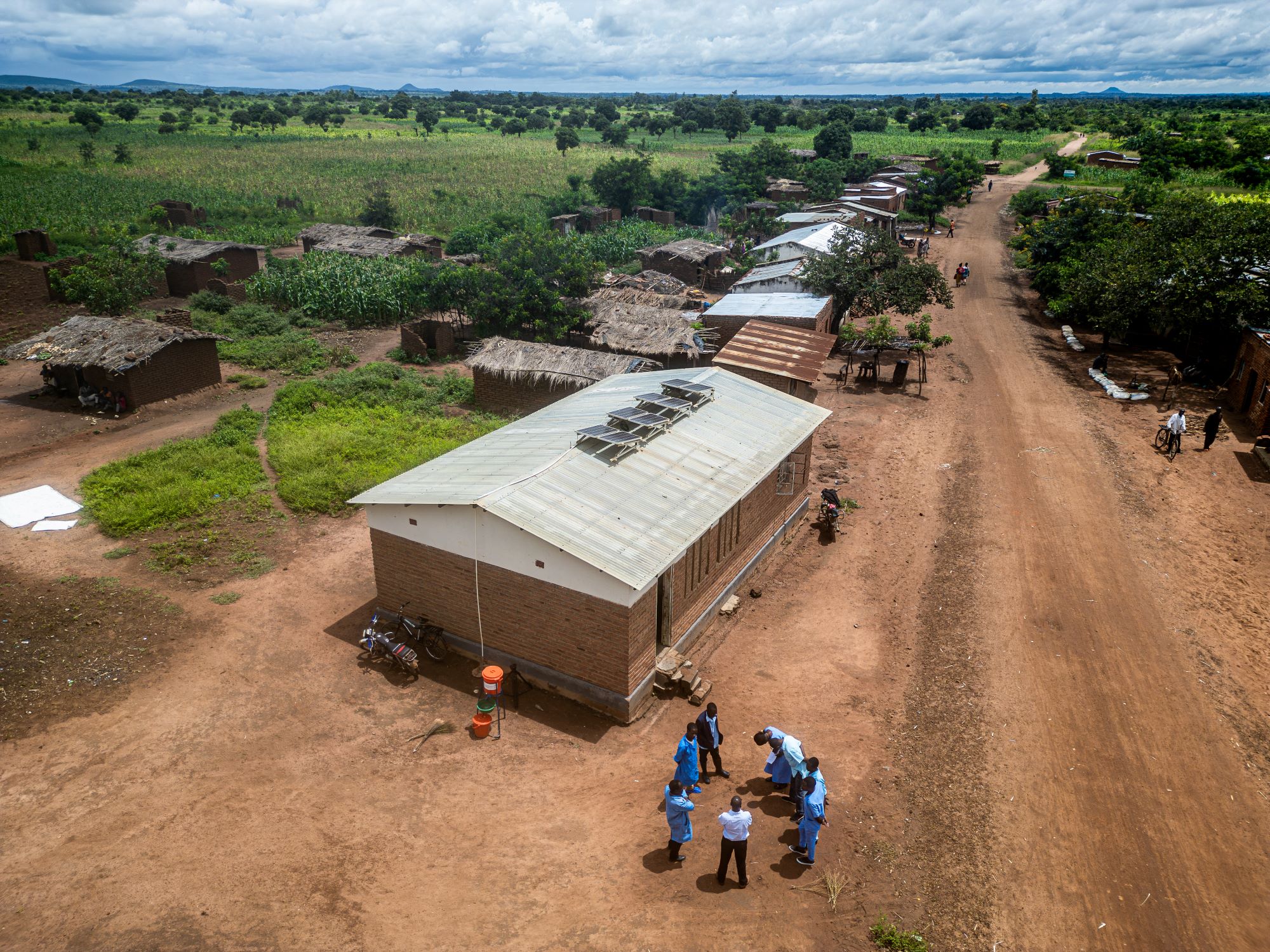
SDD fridges not only don’t rely on the electrical grid, gas, or kerosene, but they also don’t require batteries for storing the solar energy. They connect directly to solar panels installed on the clinic roof—hence the name solar direct-drive. They’re better at temperature control and easier to maintain than battery-powered solar fridges. And they last a lot longer—a decade or more.
The first SDD fridges were approved by the World Health Organization in 2010. Since then, several manufacturers have entered the global market, making them more widely available. Their deployment has been scaled up and integrated into many national immunization programs.
In 2015, Malawi received its first grant to fund the installation of a few SDD vaccine fridges in remote areas. Mtenje says that SDD fridges cost a bit more than the older models but that when operating costs are factored in, they are less expensive and burdensome in the long run. They’re also more reliable. Starting in 2018, funding from Gavi—with support from UNICEF—has allowed the country to install about 600 SDD fridges.
The country has since replaced all of its gas- and battery-powered fridges. It has also significantly increased the number of cold chain points, to 1,200. That means more villages are within closer walking distance to clinics that provide vaccines, which makes it more likely that children will get their vaccines as scheduled.
Cyclones tested the cold chain—but solar fridges held strong
In 2021, Malawi and surrounding regions were hit by Cyclone Ana. The devastating storm damaged the hydroelectric system, cutting power to the electrical grid. Vaccine doses that were stored in refrigerators powered by electricity had to be moved quickly to avoid spoilage.
The country’s cold chain teams rushed to check on the SDD fridges. Much to everyone’s relief, those vaccine doses had stayed cold. Working quickly, the teams moved doses stored in cities to the solar-powered fridges in remote areas.
“If we didn’t have SDD fridges, it would have been a huge issue because we would have spoiled a lot of doses,” Mtenje says. The experience got cold chain managers thinking: Were solar fridges, which were initially designed for hard-to-reach areas, simply better than electrically powered ones?
“Even in places with grid power, we realized we should also be thinking about having solar fridges at those facilities,” Phiri says. Today, all 29 of the country’s district-level vaccine storage facilities use solar-powered units, with electricity available as backup. All told, about 60% of Malawi’s cold chain points are supported by Gavi-funded solar-powered fridges.
The Future of Health
Imagine what’s possible in the next 20 years if the world keeps on prioritizing health innovation for everyone.
More than just refrigeration
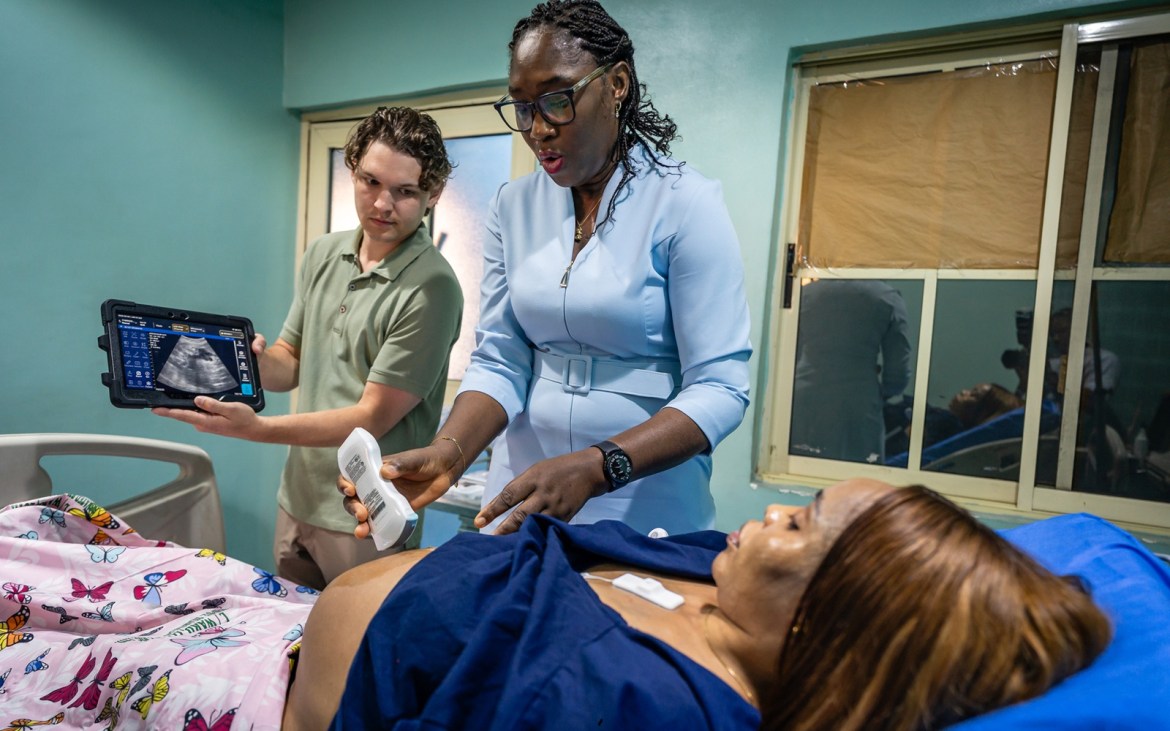
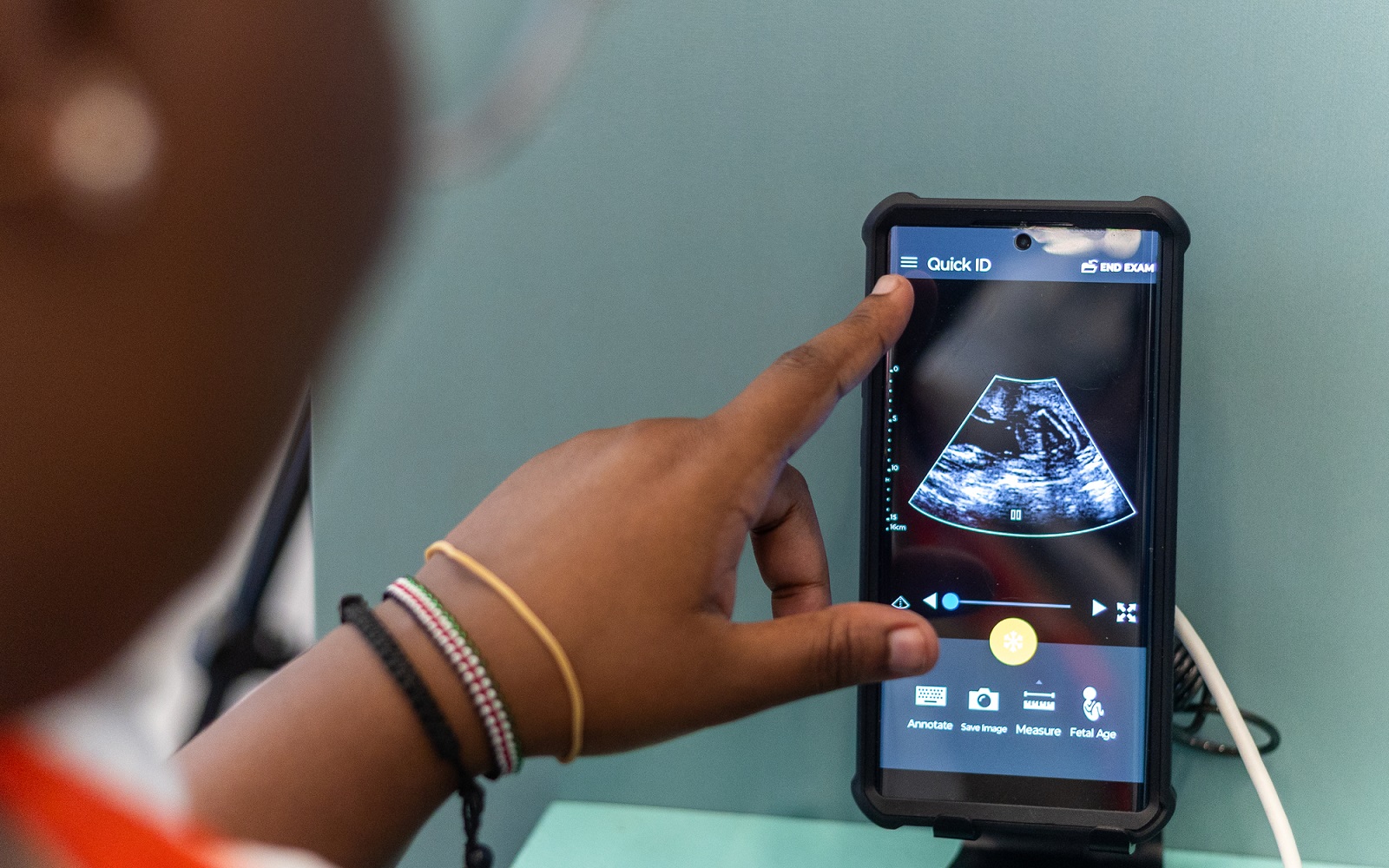
Over the past few years, the success of SDD fridges has created other opportunities for innovation in community health. The fridges generate enough energy that they also help power clinic lighting, fetal doppler heart monitors, and other medical equipment.
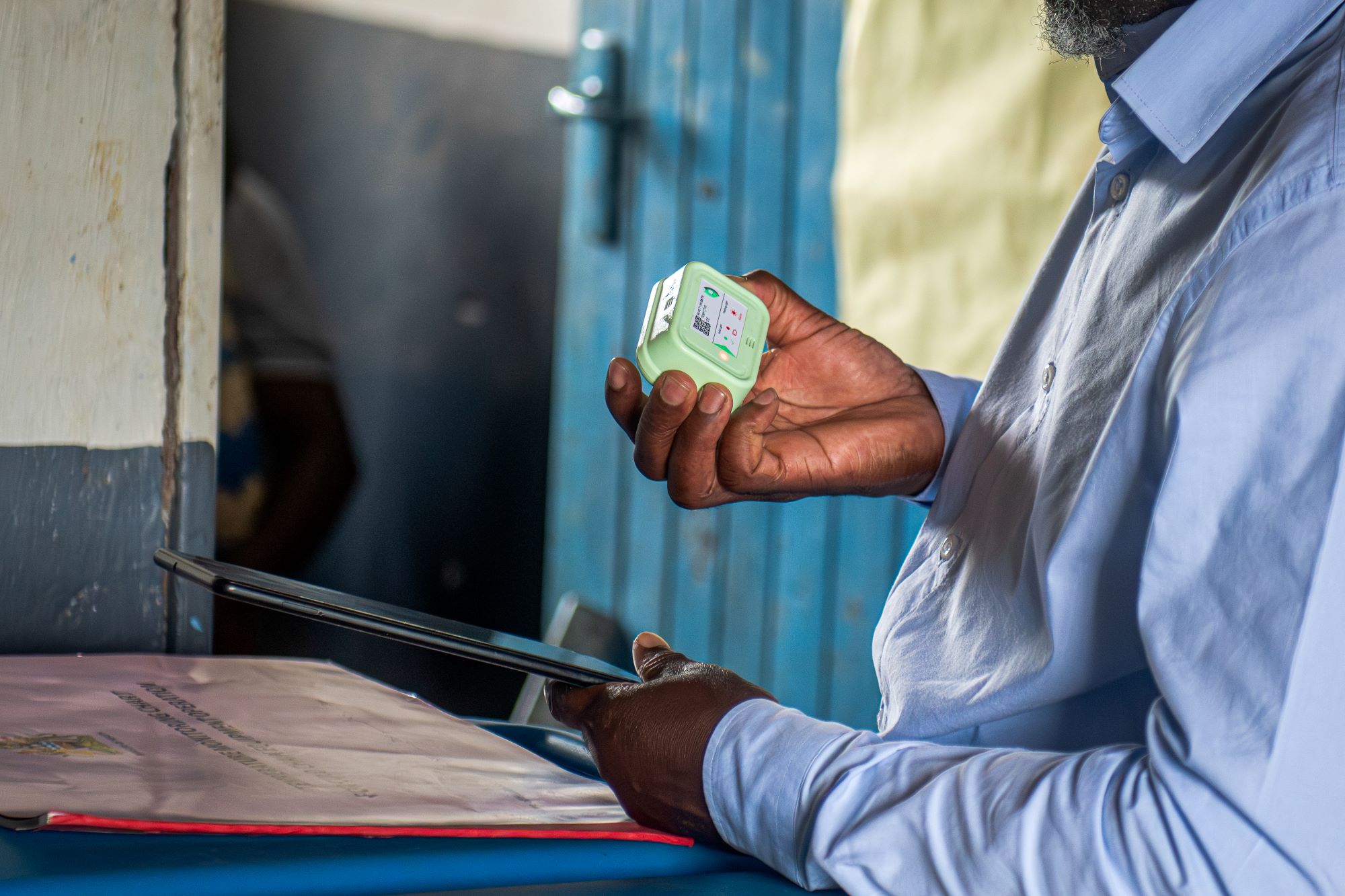
Meanwhile, Malawi has added a performance tracking system to all of its solar fridges. Central managers can check the maintenance history of each fridge as well as confirm, in real time, that the fridge is at the proper temperature. An added benefit is that using solar fridges cuts CO2 emissions significantly.
The Gavi solar fridge program also helps countries with technical training and maintenance so the equipment will keep running well into the future. “SDD has really been a game-changer,” Phiri says.
An investment that pays off for generations
So, what has the up-front investment in this innovation achieved? Lower costs over the long term. More reliable equipment that lasts longer. More places where children can be immunized. A smaller carbon footprint. Stronger, more reliable health care systems. And a host of add-on innovations that the world’s cold chain technicians can use in villages and cities and across regions and borders to protect more children and families. It’s an investment that benefits everyone.
When Mtenje was young, he wanted to be a doctor. Phiri dreamed of being an engineer. Both aspired to professions where they could make a difference in the world. As it turned out, life took them in a different but equally important direction—to the cold chain. They are part of a global web of innovation that encompasses not only engineering and medicine but also transportation, logistics, and grassroots ingenuity—all in service of making communities healthier.
“When we see children are getting their vaccinations, when we see they’re protected, that’s comforting, and it’s also exciting.” Mtenje says. “We couldn’t have an immunization program without the cold chain.”