Getting a vaccine can take just seconds. But long before a health worker nurse puts a needle in your arm, that vaccine has already traveled a remarkable distance—from research labs to clinical trials to manufacturing facilities to health clinic and more.
This massive global effort has played a critical role in reducing child deaths by half since 2000—from 10 million per year to 5 million. That’s 5 million more kids every year who get to grow up protected from preventable diseases. A 2024 study even called immunization “the single greatest contribution to improved infant survival over the past 50 years.”
But how does a vaccine come to be? Read on to follow the journey of one of the most complex and coordinated public health feats of our time.
How a vaccine is born
The TB epidemic at a turning point
As TB overtakes COVID as the deadliest global disease, this article explores the history of vaccines and how key lessons can inform new TB vaccine development led by scientific leaders in Africa.
In South Africa, immunologist Dr. Shabir Madhi has seen how vaccines can save lives. “We used to have whole wards reserved for children admitted for rotavirus,” he recalls, referring to a highly contagious severe diarrhea-causing virus that once killed hundreds of thousands of children each year in low-income countries. “Within a year of introducing the [rotavirus] vaccine, those wards were shut down across the country because they were empty. Rotavirus almost disappeared.”
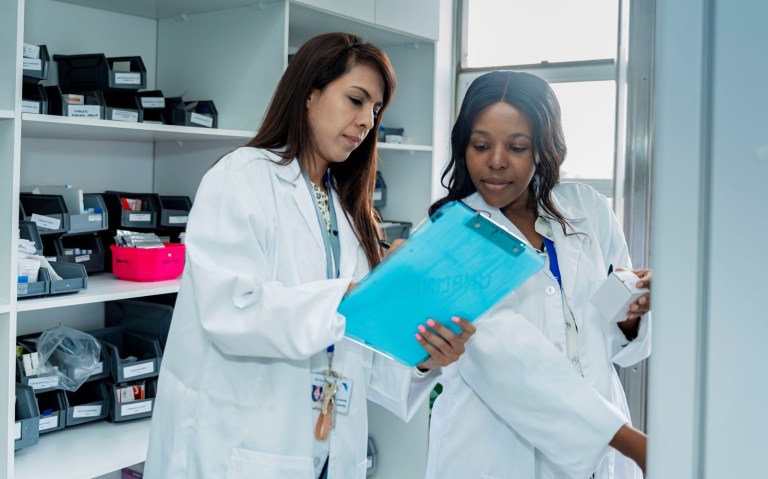
Researchers work long hours to find what is called an antigen—the specific part of a virus that the immune system can recognize. This antigen is then used in a vaccine, in weakened or inactive form, to allow the body to learn how to fight it. Finding antigens and developing vaccines can take years. It can take even longer to ensure that a given vaccine is affordable and available to those who need it most.
Dr. Madhi is working on new vaccines that are given to mothers during pregnancy to protect their babies from disease. His work takes place where every vaccine’s story begins: the lab.
How vaccines are tested for safety and effectiveness
Before any new vaccine can get approval for use, it must be thoroughly tested for safety and effectiveness through clinical trials. Not far from Dr. Madhi’s clinic, Dr. Lee Fairlie and her team are working on a thrilling potential advancement: the first-ever tuberculosis (TB) vaccine for adolescents and adults. (The only TB vaccine currently in use, developed over a century ago, is given to infants all over the world but doesn’t adequately protect older age groups.) Dr. Fairlie and her team are part of a Phase III clinical trial to test the vaccine candidate, M72/AS01E, for safety and for its effectiveness in preventing people infected with the TB virus from developing active disease.
A clinical vaccine trial is a carefully designed, step-by-step study in which volunteers receive the vaccine so researchers can test its safety, determine the right dose, and measure its ability to protect against illness.
Every vaccine “approved” or prequalified by the World Health Organization (WHO) has been rigorously studied and evaluated to ensure that it meets the highest safety and efficacy standards. WHO-prequalified vaccines are also continuously monitored after they are introduced.
How a vaccine is delivered
Vaccines are effective only if they reach the people who need them. Mphatso Mtenje, a former manager in Malawi’s vaccine management program, recalls seeing vaccines that had become ineffective before they reached their destination—in part because they couldn’t be kept at the right temperature as they were being transported hundreds of miles. ” We couldn’t have an immunization program without the cold chain,” Mtenje says.
Thanks to the introduction of solar-powered refrigerators, the days of losing a potentially lifesaving batch of vaccines due to power failures are becoming a thing of the past. With roughly 600 solar fridges distributed across Malawi so far, more vaccines are being stored properly and are ready to protect children.
20.6M
Since 2000, the Gavi Alliance has vaccinated more than 1.2 billion kids and saved over 20.6 million lives.
Getting vaccines out of the factory and into clinics and communities around the world is a massive effort, requiring collaboration, complex supply logistics, and leadership from country governments and ministries.
WHO, UNICEF, and Gavi, the Vaccine Alliance, work closely with governments of lower-income countries and with civil society organizations to build, fund, and sustain their immunization programs. Since 2000, Gavi has vaccinated more than 1.2 billion kids, saving over 20.6 million lives.
How a vaccine reaches communities
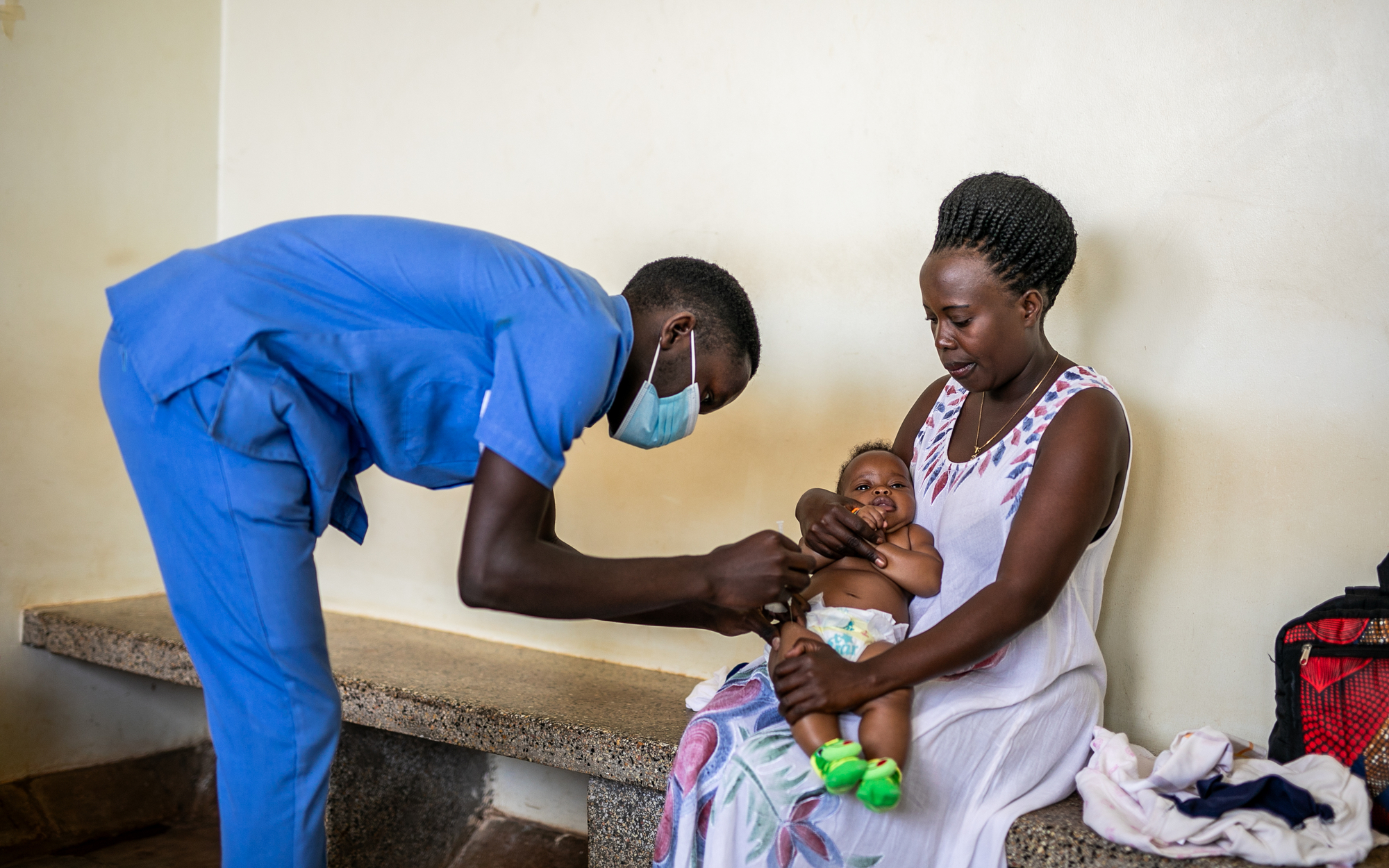
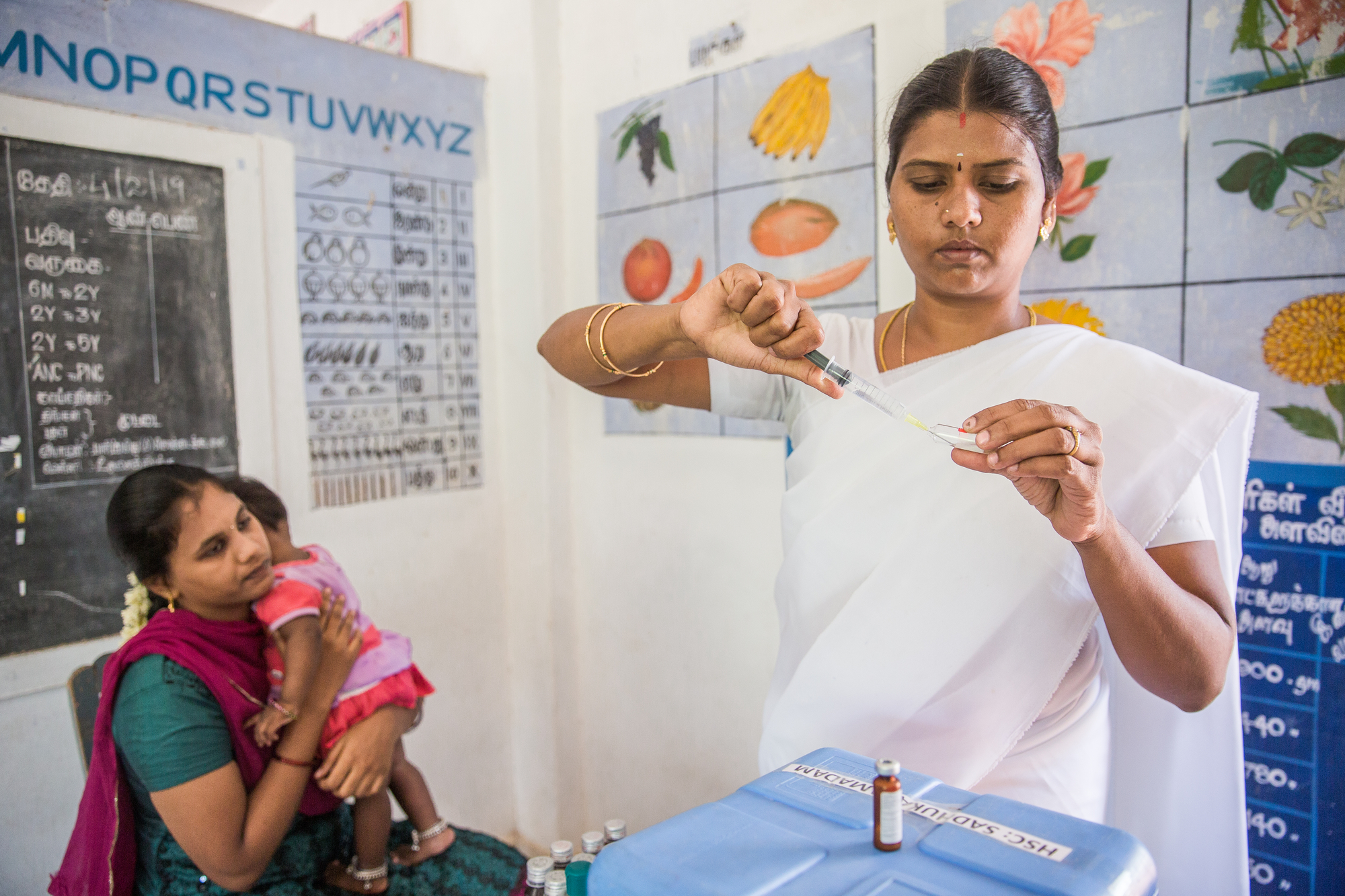
The last step in a vaccine’s journey may be the most important. Even if a lifesaving vaccine is developed, tested, and produced, it still needs to reach the children it was designed to protect. That requires community health workers who can administer the shots as well as local leaders and health advocates who can help families understand the importance of immunization.
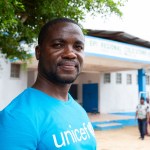
For decades, Emmanuel Mugisha has explained the science of vaccines to families and communities in his home country of Uganda and around the world. Whether it’s signing up volunteers for HIV clinical trials or encouraging the uptake of new human papillomavirus and typhoid vaccines, Mugisha promotes the lifesaving power of vaccines by patiently describing to community members how they work.
For all the impressive science, manufacturing, and logistics that get a vaccine this far, overcoming the last hurdle needs a human touch. It requires conveying empathy, building trust, fostering connections, and listening to and answering the concerns of parents and communities. Heroes like Mugisha in communities all over the world help vaccines fulfill their ultimate purpose of saving children’s lives.
Why this journey depends on all of us
Vaccines save millions of lives every year because people around the world have chosen to invest in them—because researchers, governments, donors, health workers, and communities have worked together to turn scientific discoveries into tools of protection. Thanks to that shared effort, far more children today are growing up protected from diseases that once claimed or changed countless lives.
But the journey is far from over. In 2024, over 14 million kids missed out on critical vaccines, and in that same year 4.6 million children died before their 5th birthday. Challenges like persistently weak health systems, drug resistance, climate change, and misinformation are making it harder to keep preventable diseases at bay. If the world loses focus now, the progress we’ve made could be lost and the consequences could be felt for generations.
The story of a vaccine goes far beyond a breakthrough in a lab or a shipment to a clinic. It extends to all of us committing to reaching every child with lifesaving protection.