Malaria kills more than 600,000 people a year, most of them kids under age 5. We devote resources and expertise to a relentless pursuit of malaria eradication, including efforts to reduce the burden of malaria, accelerate progress toward eradication, and get ahead of drug and insecticide resistance.
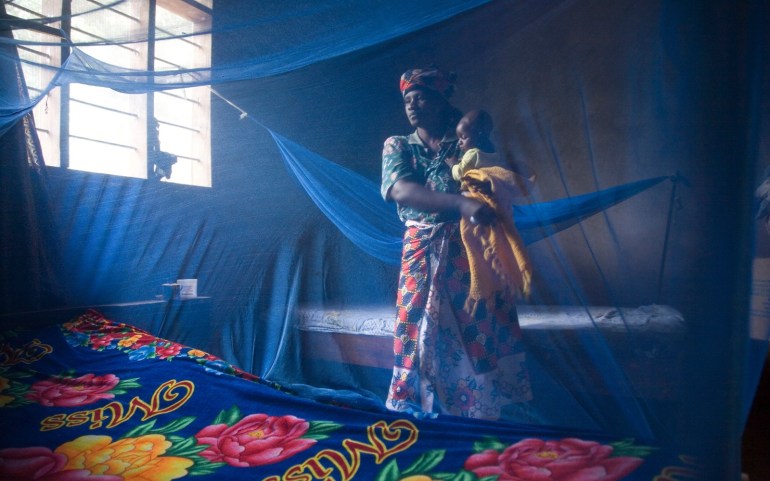
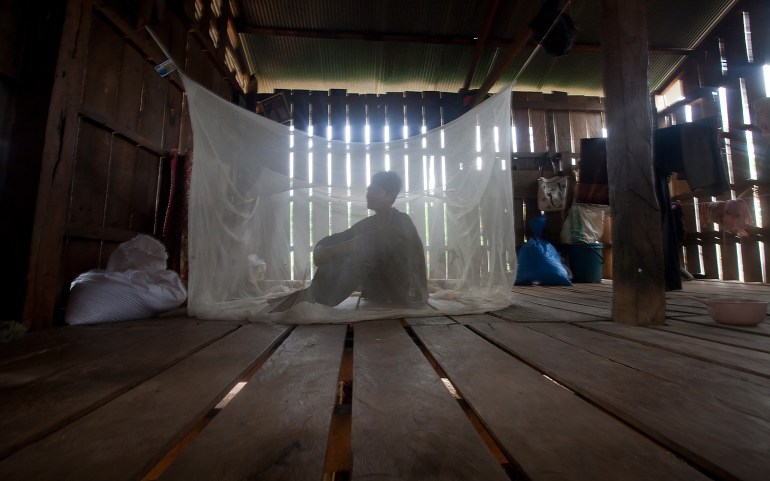
Mosquitoes are developing resistance to malaria-preventing bed nets. Researchers are responding with innovative new technologies that may keep more people safe.
Malaria affects hundreds of millions of people each year. To accelerate elimination of this deadly but preventable disease, the world must develop a range of new and more effective solutions.
The extensive research and development behind the breakthrough new malaria vaccine is informing work on a new generation of complementary tools to control, prevent, and ultimately eradicate malaria.
China’s achievement shows us that it’s possible to eliminate the disease worldwide. Innovative Chinese approaches may provide a successful formula for Africa, which has 90% of the global malaria burden.
In 2017, malaria accounted for 435,000 deaths globally—less than half the number as at the turn of the millennium. Eradication is possible, but progress has slowed down since previous decades…
Learn about the fascinating strategies researchers are using to think like mosquitoes and work towards eradicating malaria. Dive into this intriguing article to find out more.
Huge progress has been made in the last 15 years in reducing the number of malaria cases and deaths, and many countries have now declared elimination goals. As the number…
October 17, 2007Prepared remarks by Melinda French Gates, co-chair Editor’s note: View Bill Gates’ portion of the keynote speech, which followed Melinda Gates’ remarks. Melinda Gates: Thank you for that very warm…