
In 2018, UNICEF called Pakistan the riskiest place in the world for newborns because it had the highest infant mortality rate of any nation. Due to a range of factors, including an acute shortage of health workers, many pregnant women in Pakistan don’t get the medical attention they need, which can lead to premature birth, maternal and infant death, and lifelong health problems. Widespread lack of medical record-keeping also hampers timely, accurate diagnoses and appropriate care.
Doctors, nurses, and community health workers, particularly in resource-limited settings, give their best with the resources they have. But what if artificial intelligence (AI) could help them save more mothers and children?
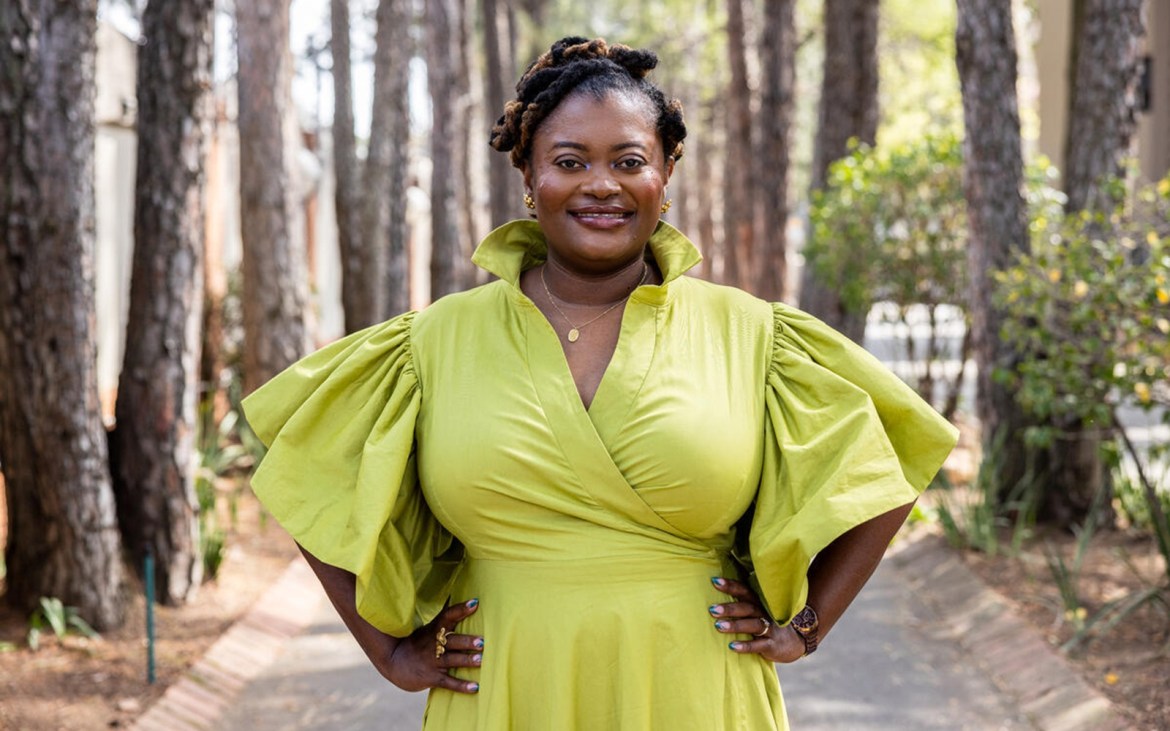
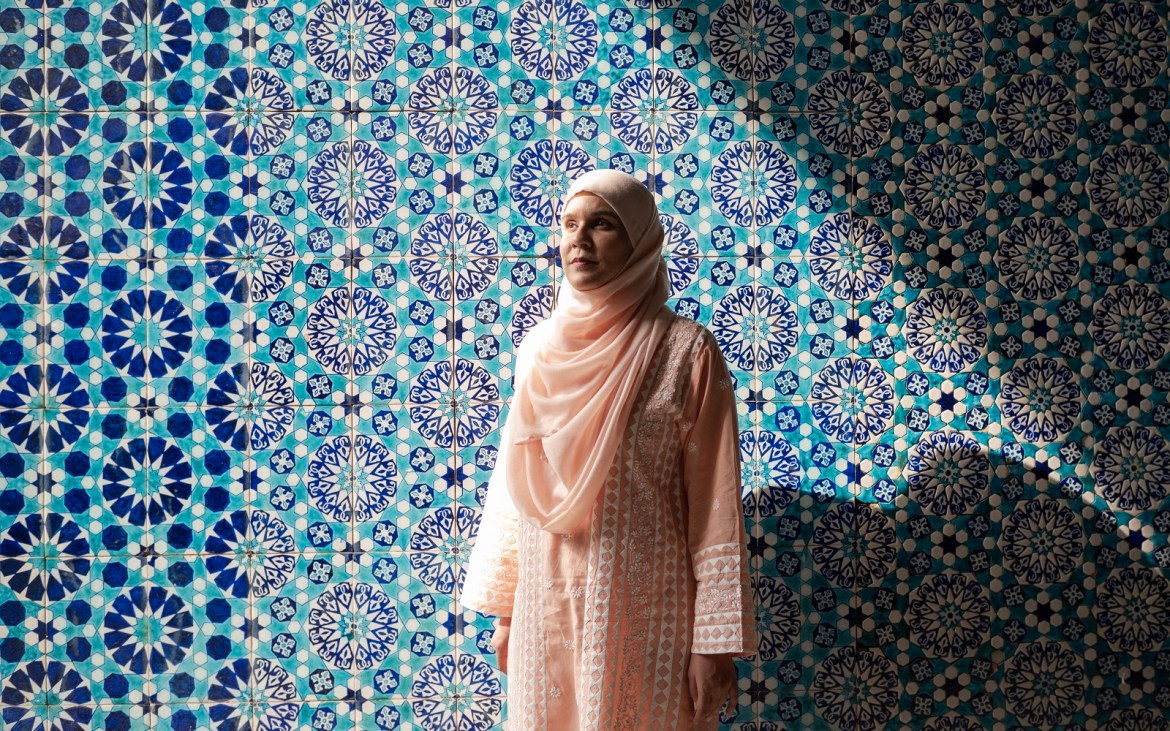
That’s the idea behind a proposal our foundation received from Maryam Mustafa, an assistant professor of computer science at Lahore University of Management Sciences in Pakistan, in response to our first-ever Grand Challenges request for proposals (RFP) focused on AI and equity.
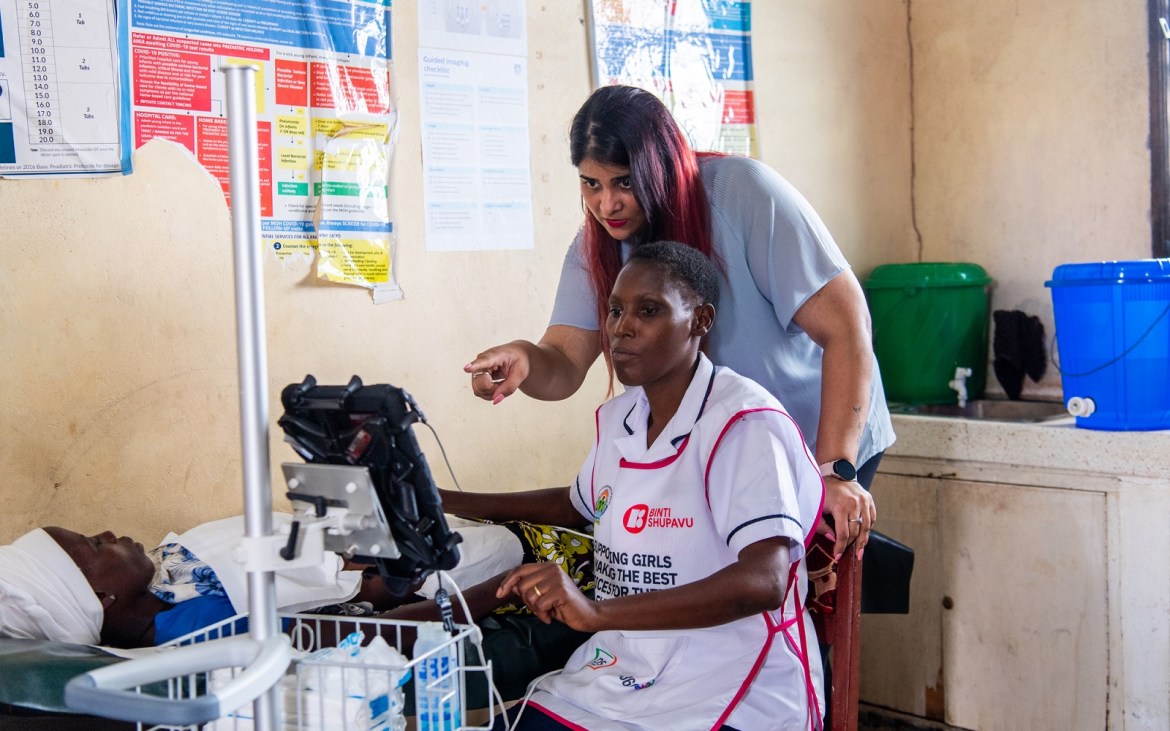
Mustafa is using a technology called a large language model (LLM) to develop an easy-to-use AI assistant with speech and text recognition that will help maternal health care workers create electronic medical records. The tool, called Awaaz-e-Sehat (Voice of Health), will result in less paperwork, more time to engage with patients, and better records to inform follow-up care. The project will start by supporting maternal healthcare workers who are often operating in remote parts of Pakistan.
Mustafa’s proposal is one of nearly 50 exciting projects that are receiving up to $100,000 in Grand Challenges funding to pursue the use of LLMs to solve problems in global health and development. We saw an overwhelming response to the RFP after we posted it in May—more than 1,300 proposals, the vast majority of them from low- and middle-income countries, were submitted during the two-week submission window. That’s one application every 15 minutes!
The projects we selected focus on a wide array of critical health and development issues.
Scientists, researchers, and implementers from 103 different nations stepped forward with great ideas on how to leverage AI to solve complex issues facing their communities. Of the grant recipients, more than 75% are first-time Gates Foundation grantees. We are providing all grantees access to a network of experts who can advise them on ethical, gender-inclusive, and methodologically sound AI approaches throughout the development process.
The tremendous and diverse response to the RFP confirms why we issued it in the first place, and it led us to increase total funding awarded from US$3 million to US$5 million.
Grant recipients show how AI can narrow inequalities
LLMs appear to have reached the critical tipping point where they soon could be as transformative as the internet and mobile phones were two decades ago. But, as our CEO Mark Suzman noted in a recent post, too often new technologies have widened rather than narrowed global inequality. The global community must ensure that LLMs are not deployed in a top-down or unethical way. Can we collaborate today to change this trajectory with and for those who will benefit the most from these technologies?
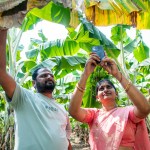
The projects we selected focus on a wide array of critical health and development issues, including primary health care, education, agricultural development, women’s health, and nutrition. We are optimistic and excited about the diversity of problems being addressed because they often intersect.
Subscribe to The Optimist to get weekly updates on the latest in global health, gender equality, education, and more.
By submitting your email to subscribe, you agree to the Gates Foundation’s Privacy & Cookies Notice.
For example, we’ve all seen how the COVID-19 pandemic has led to worse educational outcomes and pushed more families into poverty. In sub-Saharan Africa, following the pandemic, almost 90% of 10-year-olds cannot read or understand a simple paragraph, compared to 90% of 10-year-olds in upper-income countries who can. This deep and scarring inequity is likely to bleed through an entire generation if left unaddressed, leading to an estimated US$21 trillion collective loss in earnings over their lifetimes. One proposal we selected, from a team in Kenya, is tackling this challenge head on by developing an AI-based app called Somanasi (Swahili for “learn together”) that will deliver tailored educational content and adaptive, interactive instruction to African students.
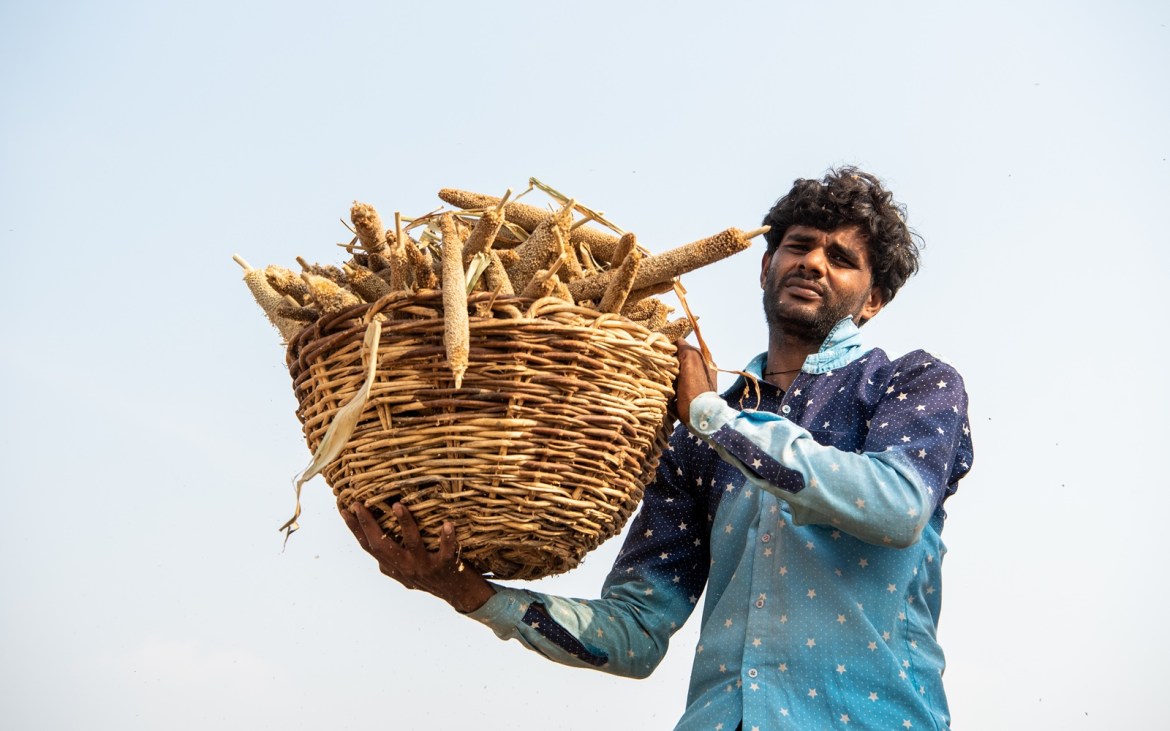
Another pressing global issue is how climate change is affecting smallholder farmers in Africa, where 70% of households depend on farming for their livelihood—an occupation that is highly susceptible to climatic changes. We selected a proposal from a team at Uganda’s Makerere University that is creating a ChatGPT-enhanced mobile app that analyzes large and diverse datasets related to crop types, pests, and weather to provide tailored advice to farmers so they can increase their productivity. This app could be a game-changer for many farmers—including women farmers in rural Uganda, who account for the largest share of agricultural output in their communities.
This inaugural AI RFP only scratches the surface of what’s possible
Bill Gates and Melinda French Gates launched the foundation in 2000 to harness the power of science and innovation to improve the health and well-being of everyone, especially those in the poorest countries. Over the years, we’ve learned time and again that developing and deploying new technologies is only part of the equation. To really ensure innovations are enhancing lives, local communities need to be involved in their design, implementation, and adoption.
See related press release
While we are proud that all these grants are going to teams in LMICs, the more than 1300 applications we received during this Grand Challenges round indicate that we are just scratching the surface of what is possible for locally developed AI innovations. We consider this round of grants to be just the first step on an exciting and possibly world-changing journey, and we look forward to taking the next step at the 2023 Grand Challenges annual meeting in Dakar, Senegal, this October.