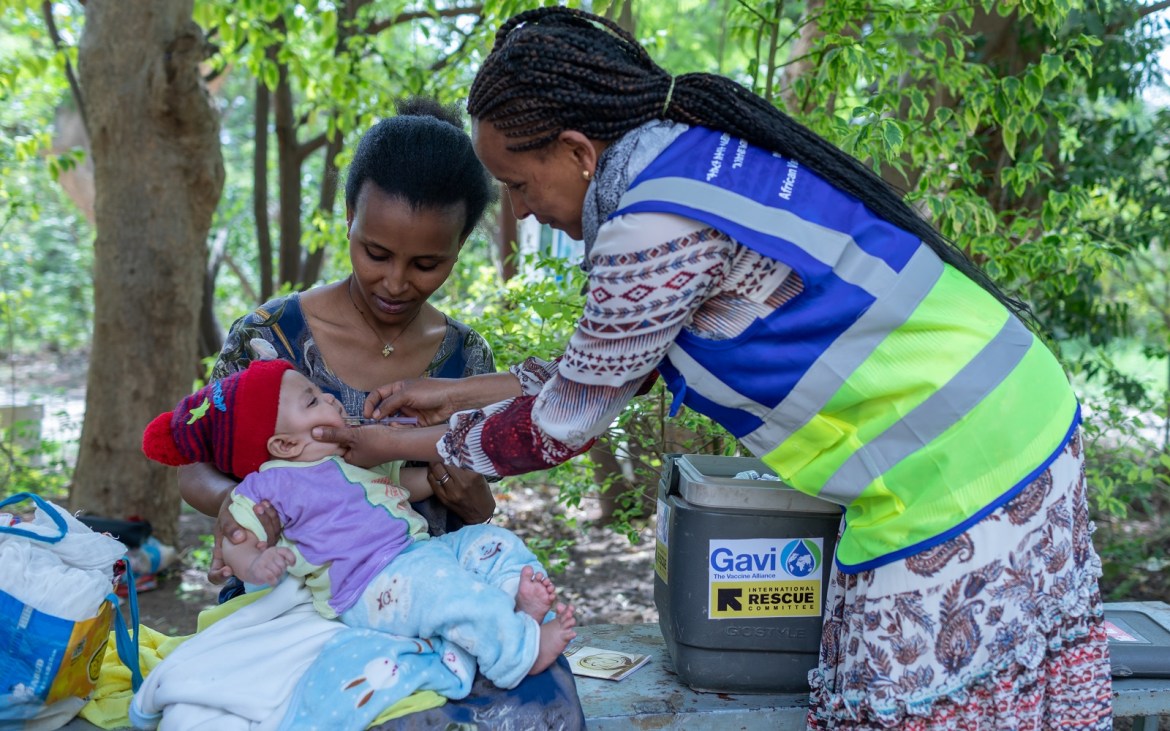
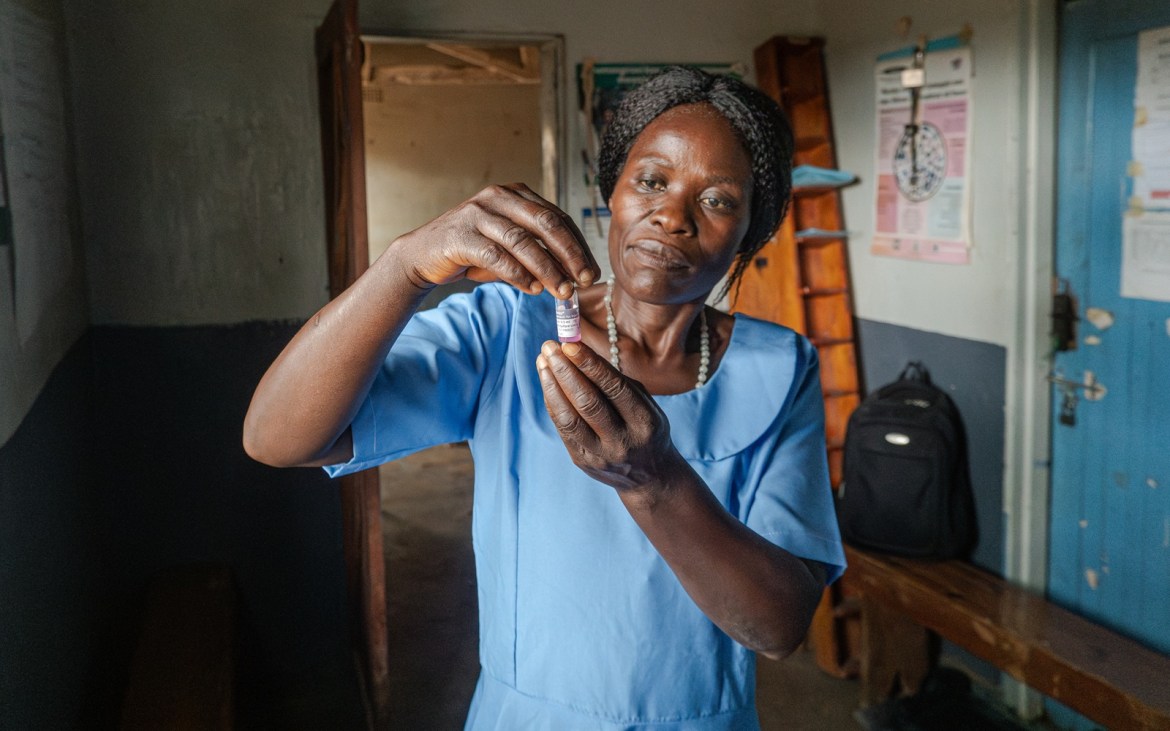
Twenty-five years ago, far too many children didn’t live to see their fifth birthday. Since then, child mortality has been cut in half—thanks in large part to vaccines.
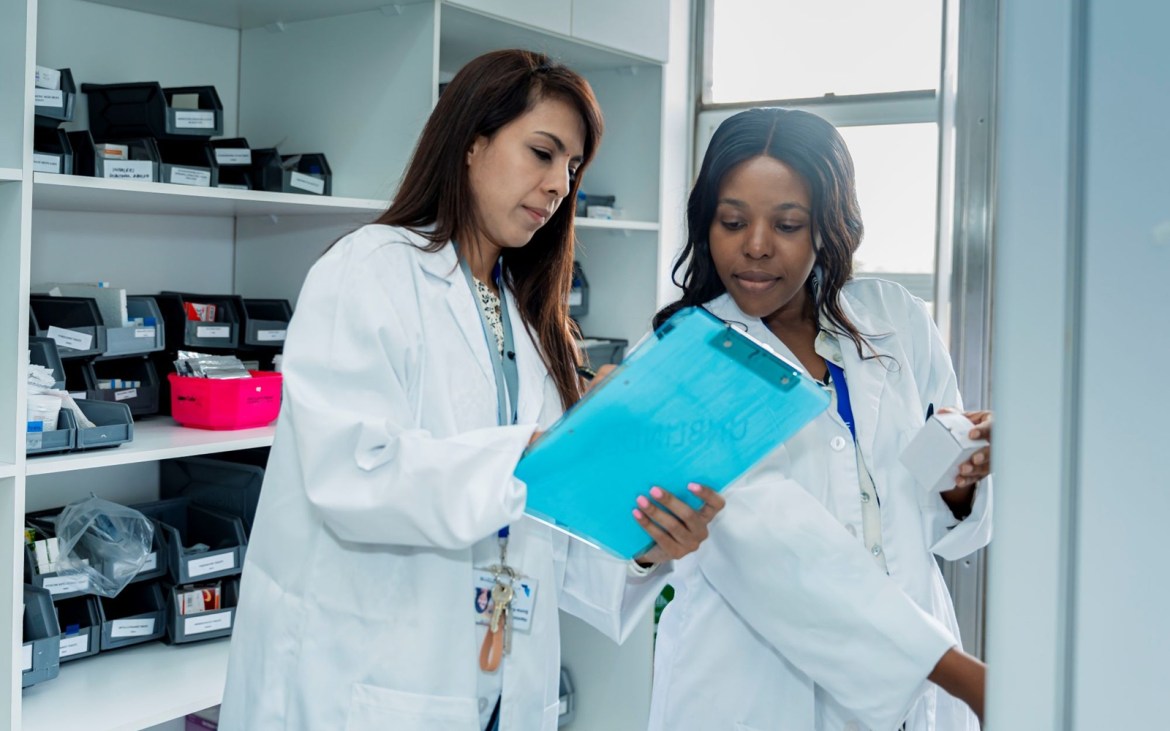
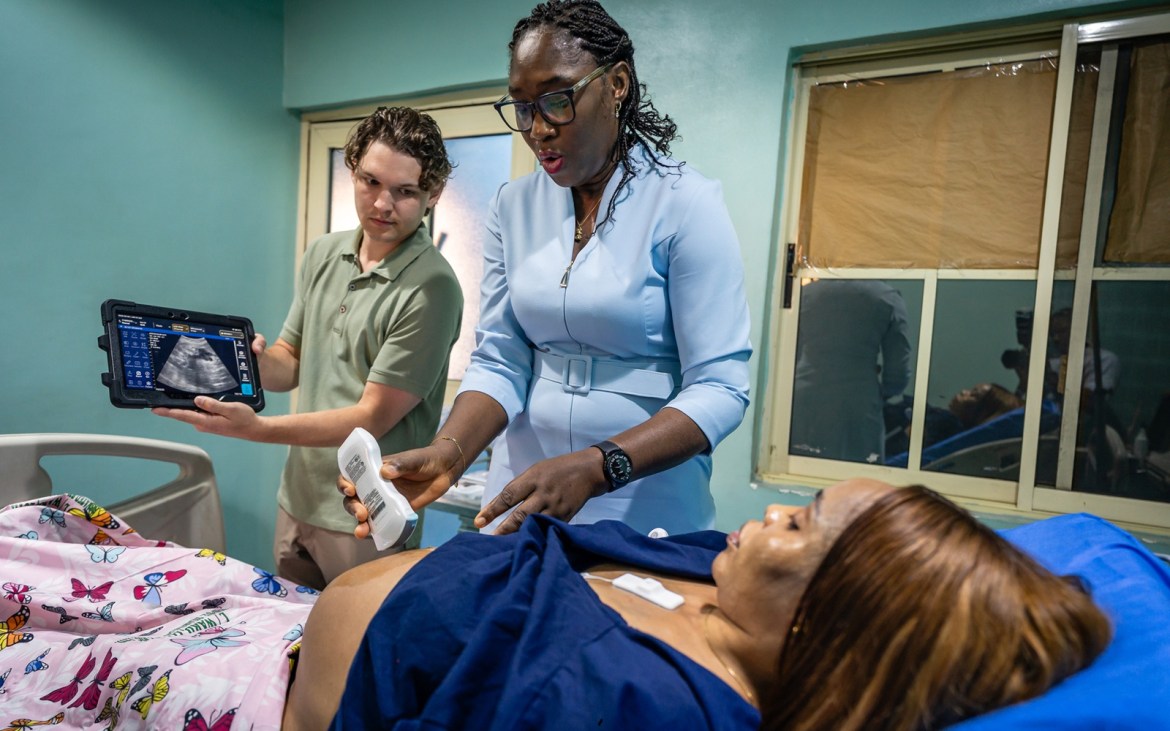
Behind this transformation is a global network of health workers, scientists, and partners working together to develop life-saving vaccines and ensure they reach people who need them.
How much do you know about the power of vaccines? Test your knowledge below!
Make your best guess for each question, and then click Next for a new question!
What do you really know about vaccines? Take the quiz.
Test your knowledge on how immunization has reshaped global health—and why support is more important than ever.
How many lives have been saved by vaccines since 1974?
In the last 50 years alone, vaccines have saved 154 million lives—that’s 6 people every minute. In the same period, vaccination accounted for 40% of the improvement in infant survival—helping more children live to see their first birthday than ever before.
Incorrect!
In the last 50 years alone, vaccines have saved 154 million lives—that’s 6 people every minute. In the same period, vaccination accounted for 40% of the improvement in infant survival—helping more children live to see their first birthday than ever before.
Which vaccine is credited with saving the most lives in the last 50 years?
Since 1974, the measles vaccine has saved an estimated 94 million lives—more than any other vaccine. Because measles spreads faster than most viruses, outbreaks remain a serious threat in under-immunized communities, making high vaccination rates essential for protection.
Incorrect!
Since 1974, the measles vaccine has saved an estimated 94 million lives—more than any other vaccine. Because measles spreads faster than most viruses, outbreaks remain a serious threat in under-immunized communities, making high vaccination rates essential for protection.
How many diseases do vaccines protect against?
Want to learn more about the vaccines that protect against them? Here’s a good start.
Correct!
Vaccines protect people of all ages from more than 30 life-threatening diseases. Each year, immunization prevents 3.5 to 5 million deaths from illnesses like diphtheria, tetanus, pertussis (whooping cough), influenza, and measles—helping people live longer, healthier lives.
Incorrect!
Vaccines protect people of all ages from more than 30 life-threatening diseases. Each year, immunization prevents 3.5 to 5 million deaths from illnesses like diphtheria, tetanus, pertussis (whooping cough), influenza, and measles—helping people live longer, healthier lives.
Which of the following cancers can be prevented by a vaccine?
HPV vaccines can protect against cervical cancer, which claims nearly 350,000 women’s lives every year—90% of them in low- and middle-income countries. The disease is caused by the human papillomavirus (HPV), and just one dose of the HPV vaccine can protect girls from developing it later in life.
Incorrect!
HPV vaccines can protect against cervical cancer, which claims nearly 350,000 women’s lives every year—90% of them in low- and middle-income countries. The disease is caused by the human papillomavirus (HPV), and just one dose of the HPV vaccine can protect girls from developing it later in life.
What organization has been at the center of vaccinating more than 1 billion children, saving nearly 19 million lives in lower-income countries?
In 2000, millions of children in lower-income countries were dying each year from diseases that vaccines could have prevented. Gavi was founded to help close this gap. A public-private partnership—including countries, the World Health Organization, UNICEF the World Bank, the private sector, civil society, and the Gates Foundation—Gavi supports countries in expanding access to life-saving vaccines where they are needed most.
Incorrect!
In 2000, millions of children in lower-income countries were dying each year from diseases that vaccines could have prevented. Gavi was founded to help close this gap. A public-private partnership—including countries, the World Health Organization, UNICEF the World Bank, the private sector, civil society, and the Gates Foundation—Gavi supports countries in expanding access to life-saving vaccines where they are needed most.
Vaccines are one of humanity’s greatest achievements, protecting against 30 diseases—including some cancers—and saving hundreds of millions of lives.
Thanks to the collaborative efforts of health workers, scientists and partners like Gavi, the Vaccine Alliance, more children than ever before are being reached with life-saving immunizations.
But progress is stalling. In 2023 alone, 14.5 million children missed all routine vaccines, and millions more missed critical measles doses.
Every child deserves protection from preventable diseases, no matter where they live. Continued support for immunization efforts is essential to give more children the chance to survive and thrive—and to safeguard health for generations to come.
Sign up for The Optimist newsletter
Subscribe to The Optimist to get weekly updates on the latest in global health, gender equality, education, and more.
By submitting your email to subscribe, you agree to the Gates Foundation’s Privacy & Cookies Notice.