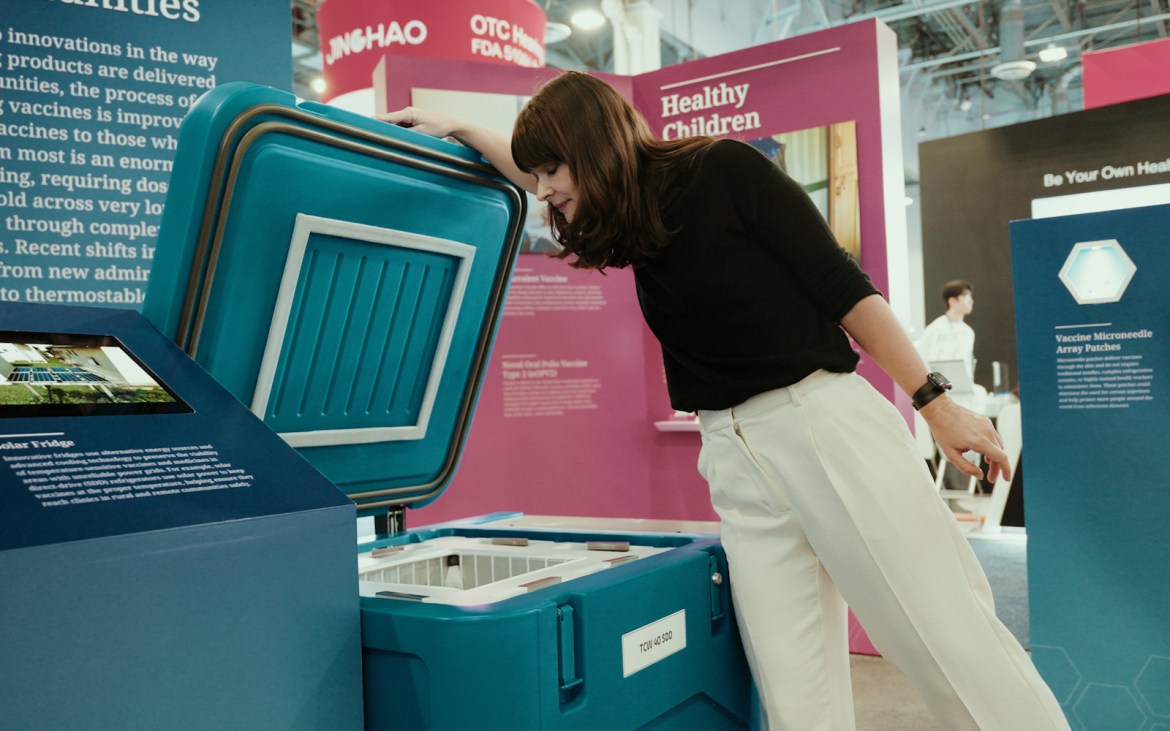
The 2026 Goalkeepers Report looks at the extraordinary potential of artificial intelligence to improve health, education, and well-being in communities around the world, and it underlines what it will take to ensure that this rapidly evolving technology benefits everyone.
Read the 2026 Goalkeepers Report
Here are five key takeaways:
1 Global progress is real but fragile.
Over the past 25 years, investments in people, innovation, and tools that save lives have driven extraordinary progress. Deaths from HIV, polio, tuberculosis, and malaria have all fallen significantly, and millions more people have had healthier lives and more opportunity.
But continued gains are not guaranteed. In some places, progress has already slowed, and recent cuts to global health funding are putting hard-won advances at risk.

2 AI could help accelerate progress, and in some places it already has.
If AI is built to support people everywhere, it could help life-changing knowledge and support travel faster and farther, leading to better health, education, and economic opportunity. We already see signs of what that could look like across education, health care, and agriculture.

3 The window to shape who benefits from AI is short.
AI is developing quickly, and the decisions made in the next 12 to 18 months—about how it is built, funded, and deployed—could determine whether its benefits reach people everywhere or remain concentrated among those who already have the most access and resources.

4 Making AI work for everyone will take more than better technology.
For AI to benefit everyone, three things are important: AI tools need to work in every language people speak. They need to be grounded in local data and built for local realities. And countries and communities need the expertise and access to shape and use these tools themselves. Today these things are far from universal, but if we can get them right, AI has a better chance of reaching the people who stand to benefit most—and becoming a tool for faster, more equitable progress.
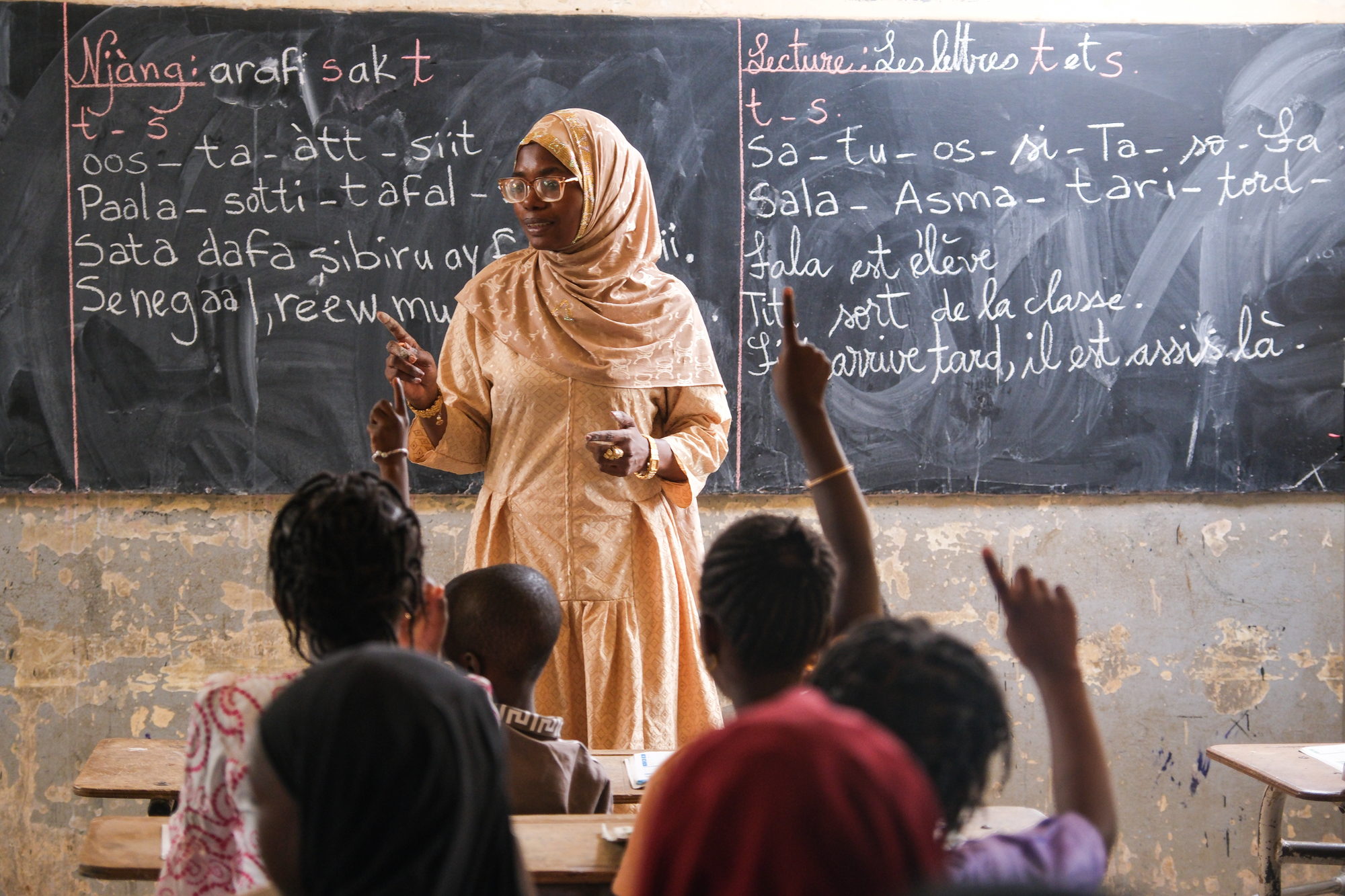
5 AI tools should support people, not replace them.
AI is most powerful when it supports people rather than replaces them—giving a health worker another source of insight, helping a teacher better understand what each student needs, or getting useful information to a farmer at the right moment. When AI empowers people to solve tough problems, it can strengthen their decision-making and help progress move faster.
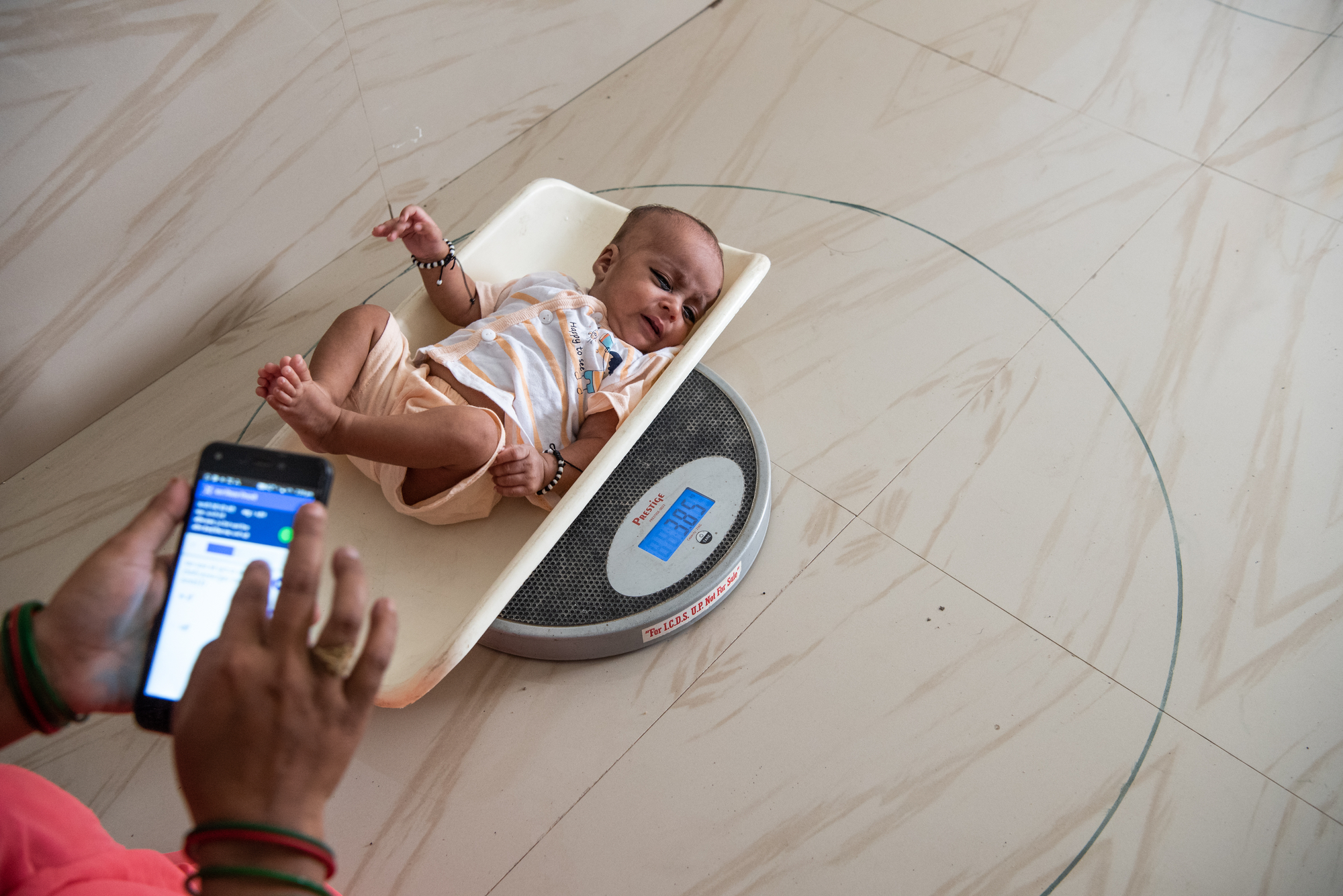
The path forward for AI is still a choice. AI can reinforce gaps that already exist or, if it is deliberately built for people everywhere, it can help accelerate progress and expand economic opportunity.
Read the 2026 Goalkeepers Report for more on how AI could help build a more equitable world.