
In my home country of Senegal, it can feel like everywhere you turn, there’s another case of cervical cancer. I lost my dear aunt Aby to the disease, when she was just 42 years old. I lost my grandmother to it, too. Ninety percent of all cervical cancer deaths in the world are in low- and middle-income countries—places like Senegal.
I know in my heart that this just isn’t right. But I didn’t know until I reached my twenties that this cancer can be prevented in two ways, including with a safe and effective immunization called the HPV vaccine.
Cervical cancer usually strikes women in the prime of their lives, around age 40. Aby left behind four young daughters when she passed. I often think about all the other families around the world who lost loved ones in this way, and the mothers like Aby who would wish a better future for their daughters.
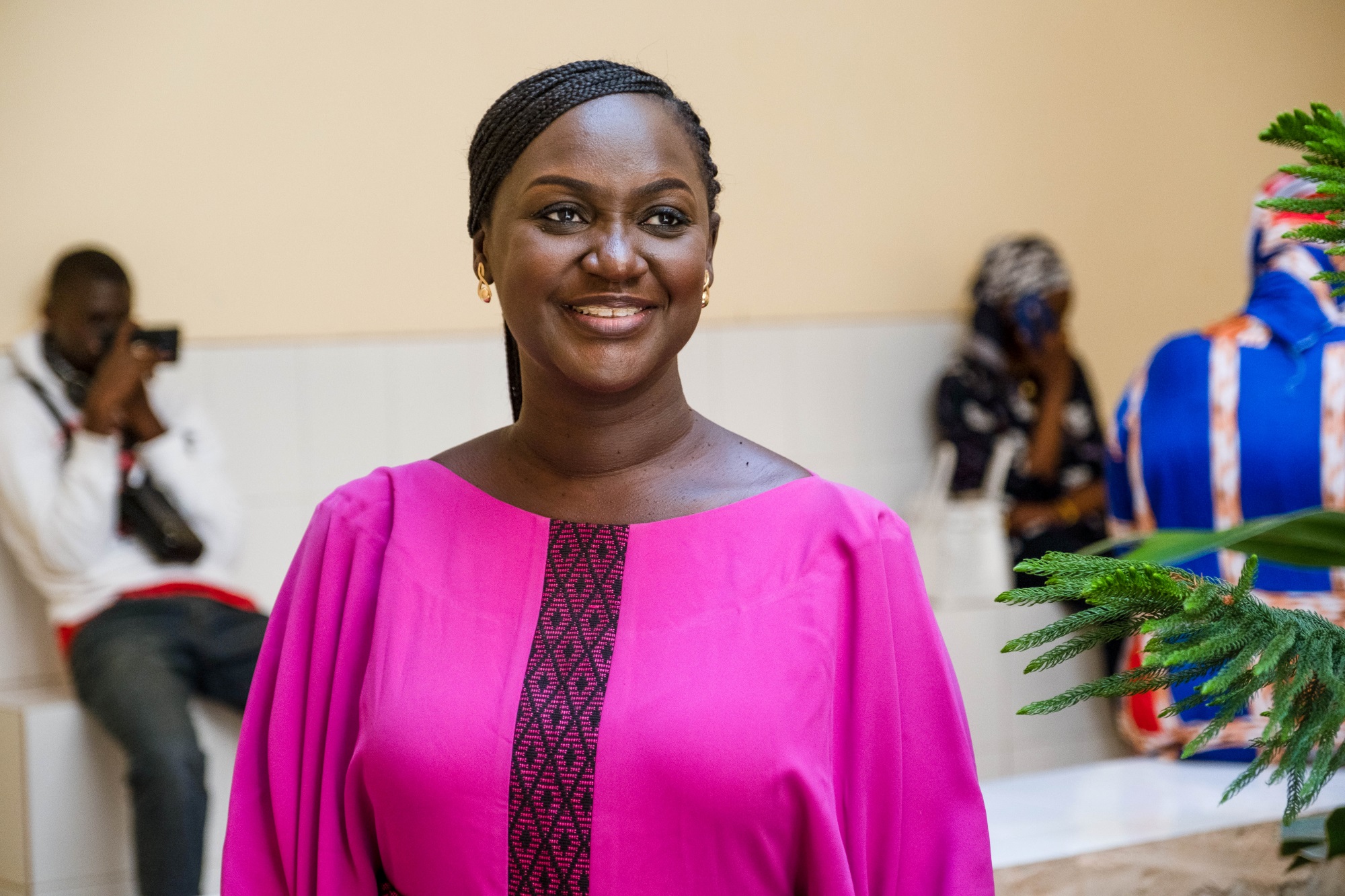
Today I direct HPV vaccine programs at PATH—because if a disease is almost entirely preventable, especially among high-risk types, I’m determined no woman should die from it.
What is the HPV vaccine?
The HPV vaccine protects against human papillomavirus, which causes 95% of cervical cancers. HPV can cause cervical and other common cancers, including neck cancer, anal cancer, vulvar cancer, and oropharyngeal cancer, and often takes years to develop after a person gets HPV.
If we can protect women from HPV, we can eliminate almost all types of this often-deadly cancer. Research has shown that the best means of protection is vaccinating girls between the age range of 9 and 14, before they become high-risk for HPV.
95%
of cervical cancers are caused by human papillomavirus
Girls in some countries—mostly rich countries—have been able to get the HPV vaccine since 2006. But even today, millions of girls in low- and middle-income countries have not had that chance.
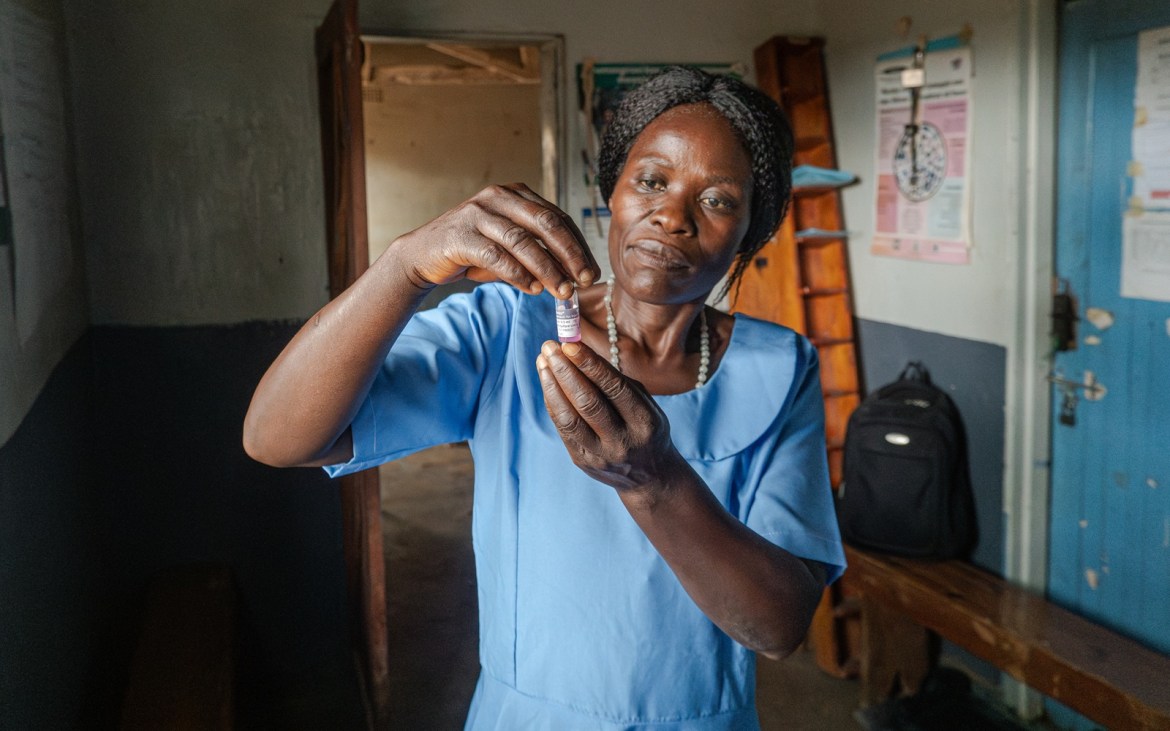
Globally, we are making progress. In the 10 years that I’ve been involved with HPV work, we’ve seen the vaccine reach more low- and middle-income countries with the help of organizations like Gavi, the Vaccine Alliance; the World Health Organization (WHO); and UNICEF. At PATH, I’ve helped seven of those countries, mostly in Africa, introduce the HPV shot into their health systems to reach the girls who would benefit most.
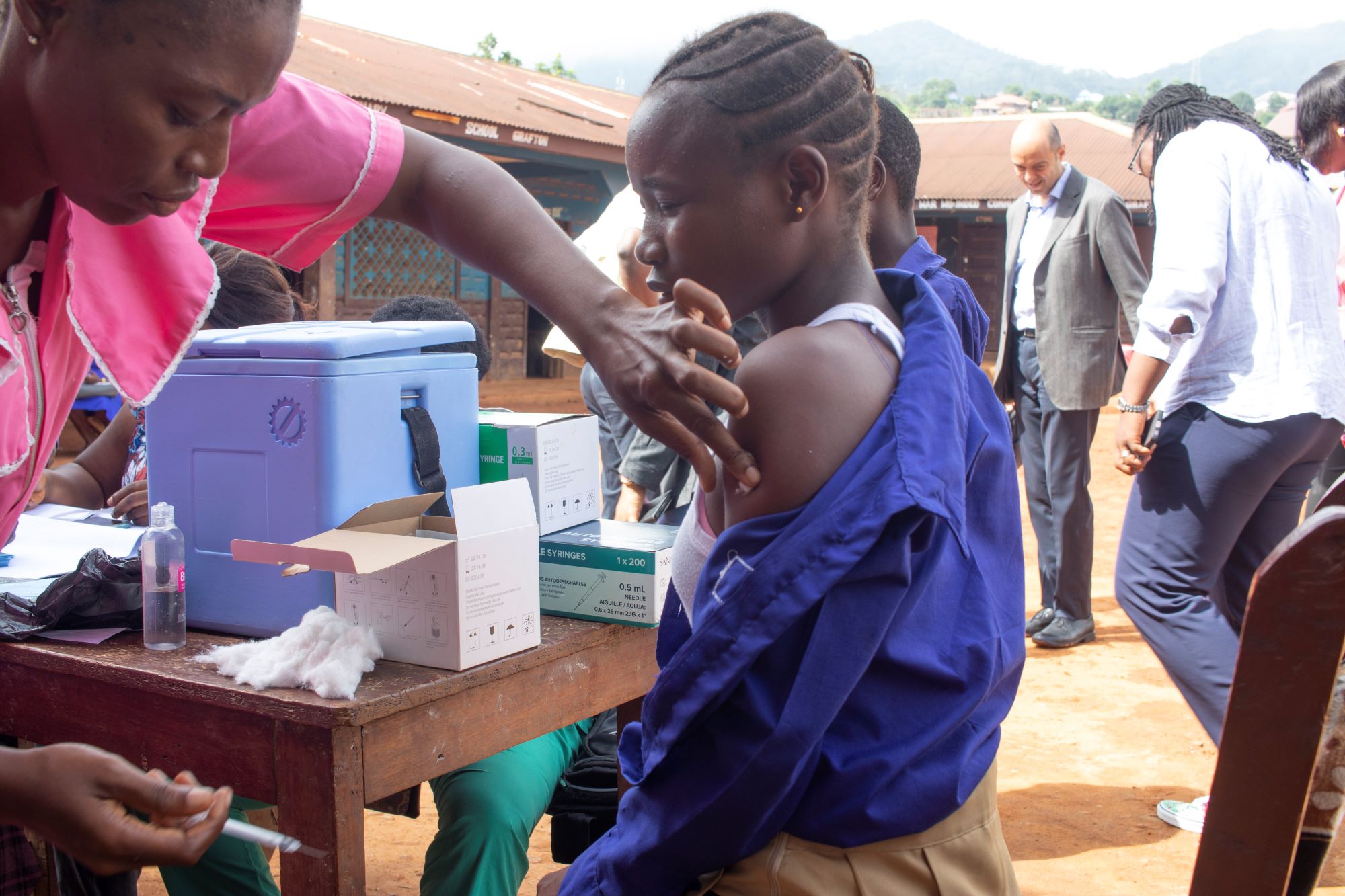
In Mauritania last year, for example, I met a group of girls who proudly held up their immunization cards for a photo after their school became one of the first in the country where HPV vaccines were administered. Their mothers and their grandmothers had no protection from cervical cancer, but now these girls do.
When COVID-19 struck, HPV vaccine rates dropped
The safety and efficacy of the HPV vaccine are well established. But we face challenges in getting girls vaccinated. In the past, we faced shortages of HPV vaccines for low- and middle-income countries, which meant that some countries that wanted to introduce the vaccine series had to wait.
The COVID-19 pandemic dealt another bitter blow to HPV vaccination. All childhood and adolescent vaccinations decreased because of fear of COVID-19 infection and school closures, including HPV vaccination.
39%
of eligible girls in Senegal had received the first vaccine dose of HPV vaccine by 2021
In Senegal, 86% of eligible girls had received the first dose of HPV vaccine in 2019, but by 2021 only 39% of eligible girls had. We are now battling to rebuild HPV vaccination programs to increase the number of girls reached. This is not an easy task because vaccinating adolescent girls routinely is new in Senegal’s health system, and we often have to deal with misunderstanding and misinformation around HPV vaccination.
Innovation in communication can improve HPV vaccine delivery
When we think about innovation, we often think about science or technology. But I also like to think about innovations in communication—in how we talk with people about routine vaccinations, how we introduce the vaccines, and how we respond to challenges. That’s a big issue with the HPV vaccine. The link between the virus and cervical cancer is well documented by science, but it’s not as widely understood by nonscientists.
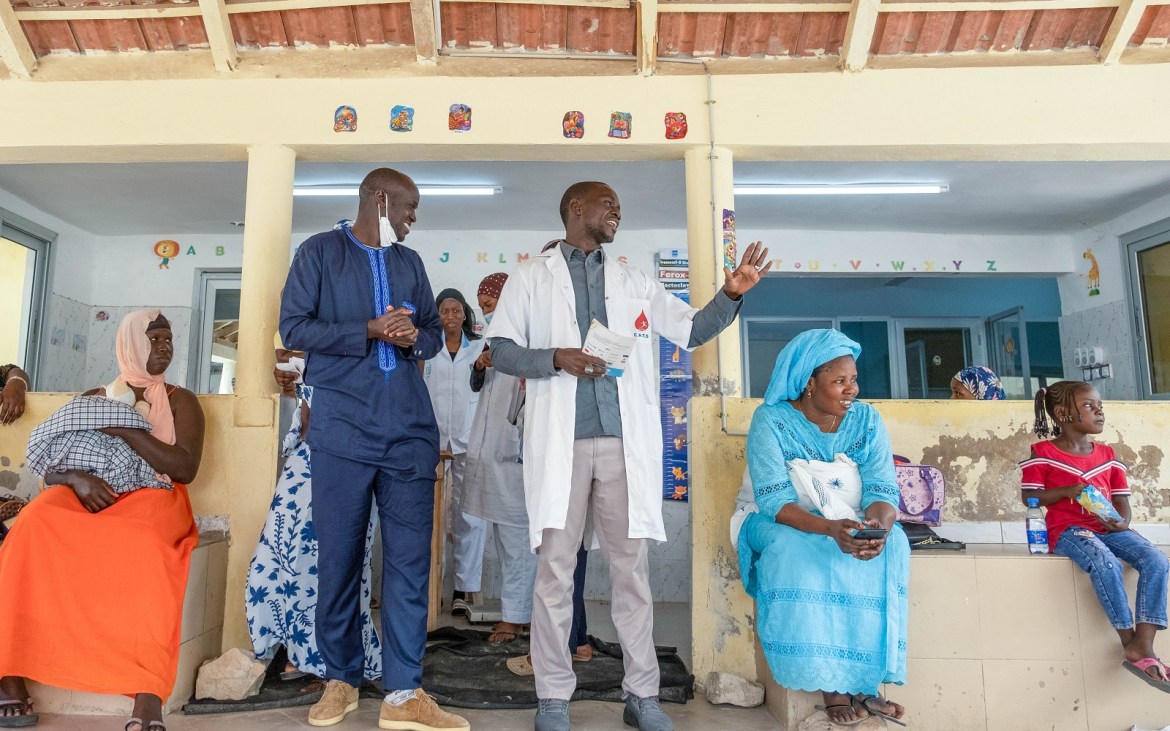
Initially, many organizations mostly used radio or television ads to get the word out. But Aboubacar Diop, a nurse and regional vaccine supervisor in Senegal, knows that it’s the people who live and work in the community who can really make a difference.
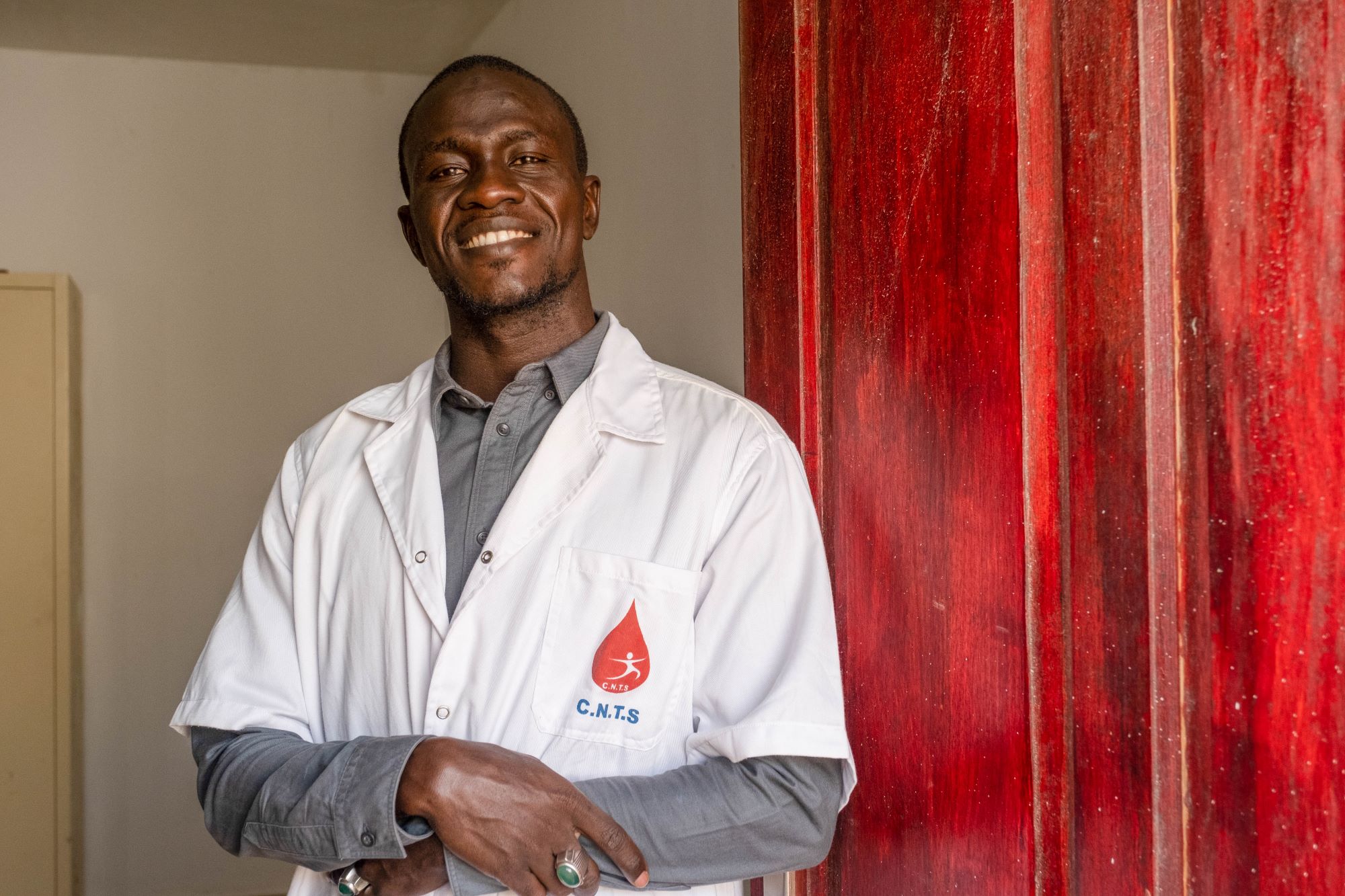
Aboubacar calls effective communication his “bread and butter.” He and his colleagues have organized forums and focus groups and used Facebook and WhatsApp to educate local communities. They’ve involved a volunteer women’s network of “neighborhood godmothers” to share information. They have also invited survivors of cervical cancer to share their stories. These “very courageous women,” as he calls them, speak to small groups to “help everyone understand what the disease and the vaccine are all about.”
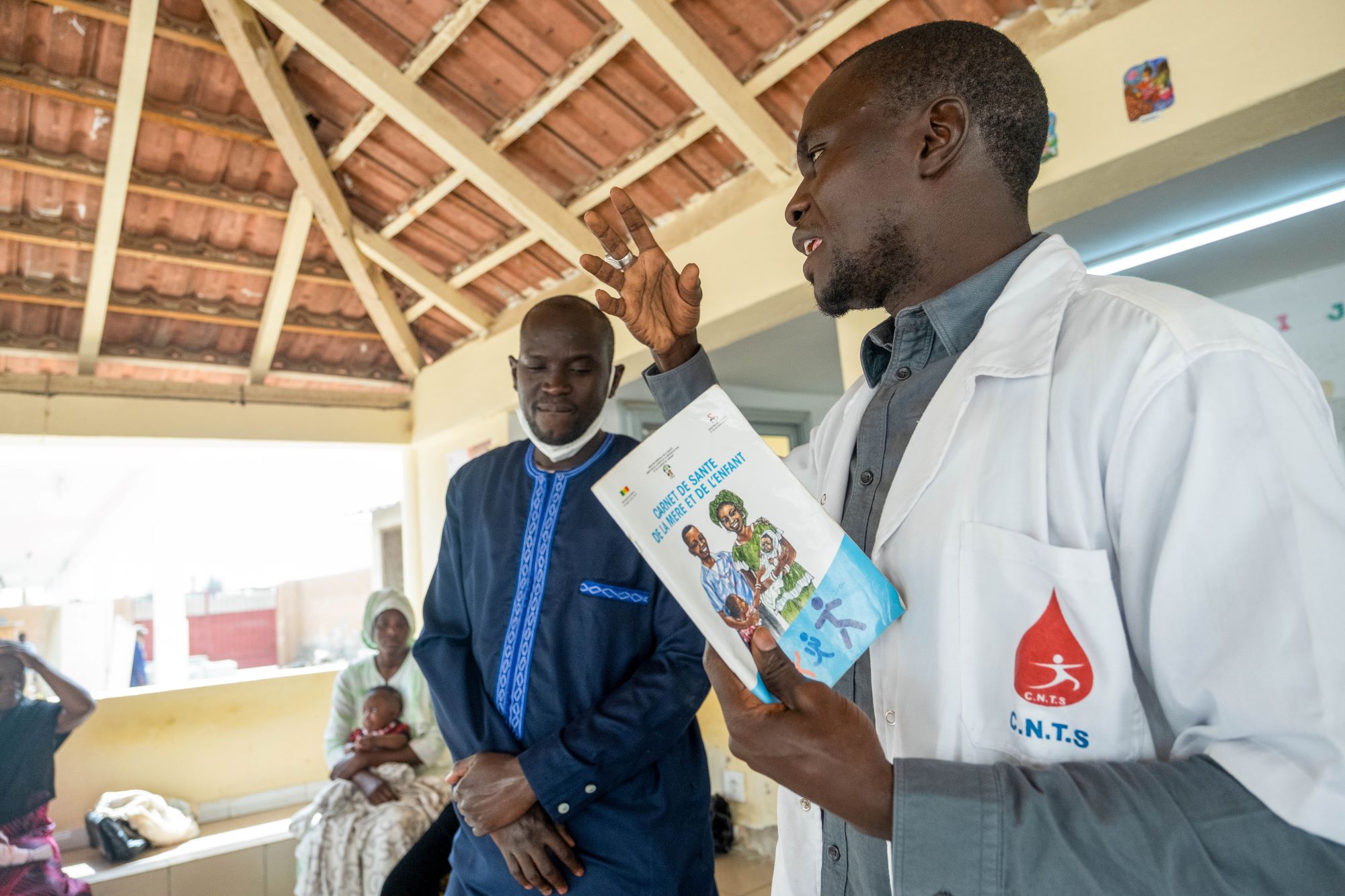
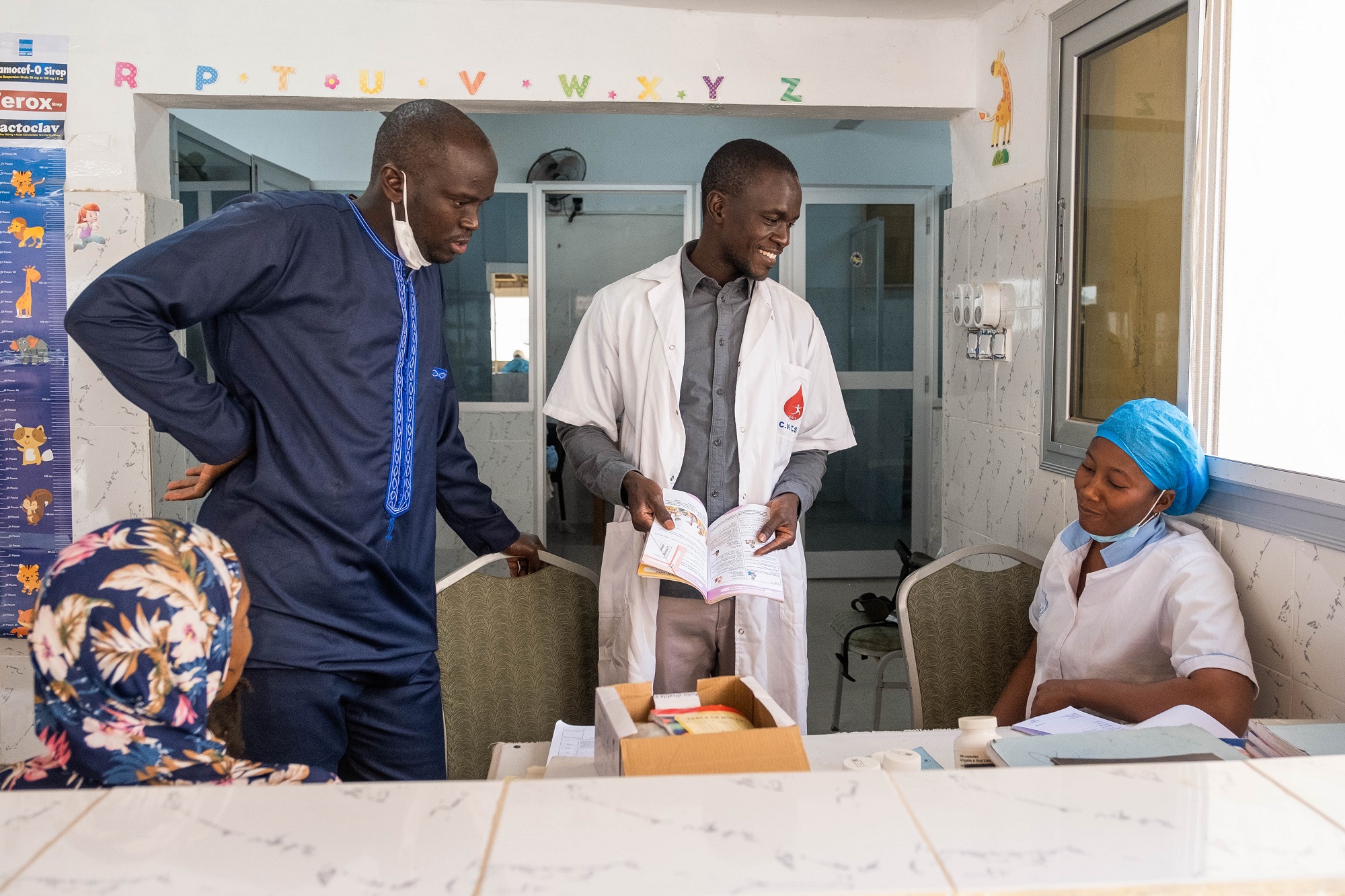
These kinds of communications strategies work. When you ask parents what made them choose to have their daughters vaccinated against HPV, they’ll often say it was because they spoke with a local health-care professional or a community or religious leader.
A one-dose regimen could help reverse declines in HPV vaccination rates
Health authorities are in a particularly good position to overcome challenges to delivering the HPV vaccine—starting now.
Several new manufacturers are producing HPV vaccines, so supplies are increasing. Based on data from clinical trials, WHO also updated its recommendations for vaccine schedules: A two-dose schedule of the vaccine had been the norm, but research has shown that a single dose provides excellent protection that’s comparable to two doses. That makes it easier and more affordable to fully vaccinate more girls.
But first we’ll need to ensure that everyone is clear on the reason for this change—from policymakers to health care providers, communities, and girls and their families. I’m one of many researchers who are part of the Single-Dose HPV Vaccine Evaluation Consortium. We’re sharing the research findings with ministries of health to help them make informed decisions about adapting their vaccination programs accordingly. It may take a while for this shift to take hold in communities, but once that happens, we’ll be a step closer to providing all girls with solid protection from cervical cancer with the HPV vaccine.
Prevention: A powerful tool to stop cancer—and reduce inequity
When I began studying in the U.S., I got calls from my college health care center reminding me to schedule a preventive test called a pap smear. It was the first time I learned that signs of cervical cancer can be detected early and then treated so the cancer doesn’t develop.
Routine health care like this isn’t available in many low- and middle-income countries. That’s part of the reason almost all cervical cancer deaths occur in these countries. “Many times, I’ve witnessed very tragic cases of female patients who were showing up for a first doctor’s visit with a terminal disease and facing death,” Aboubacar says.
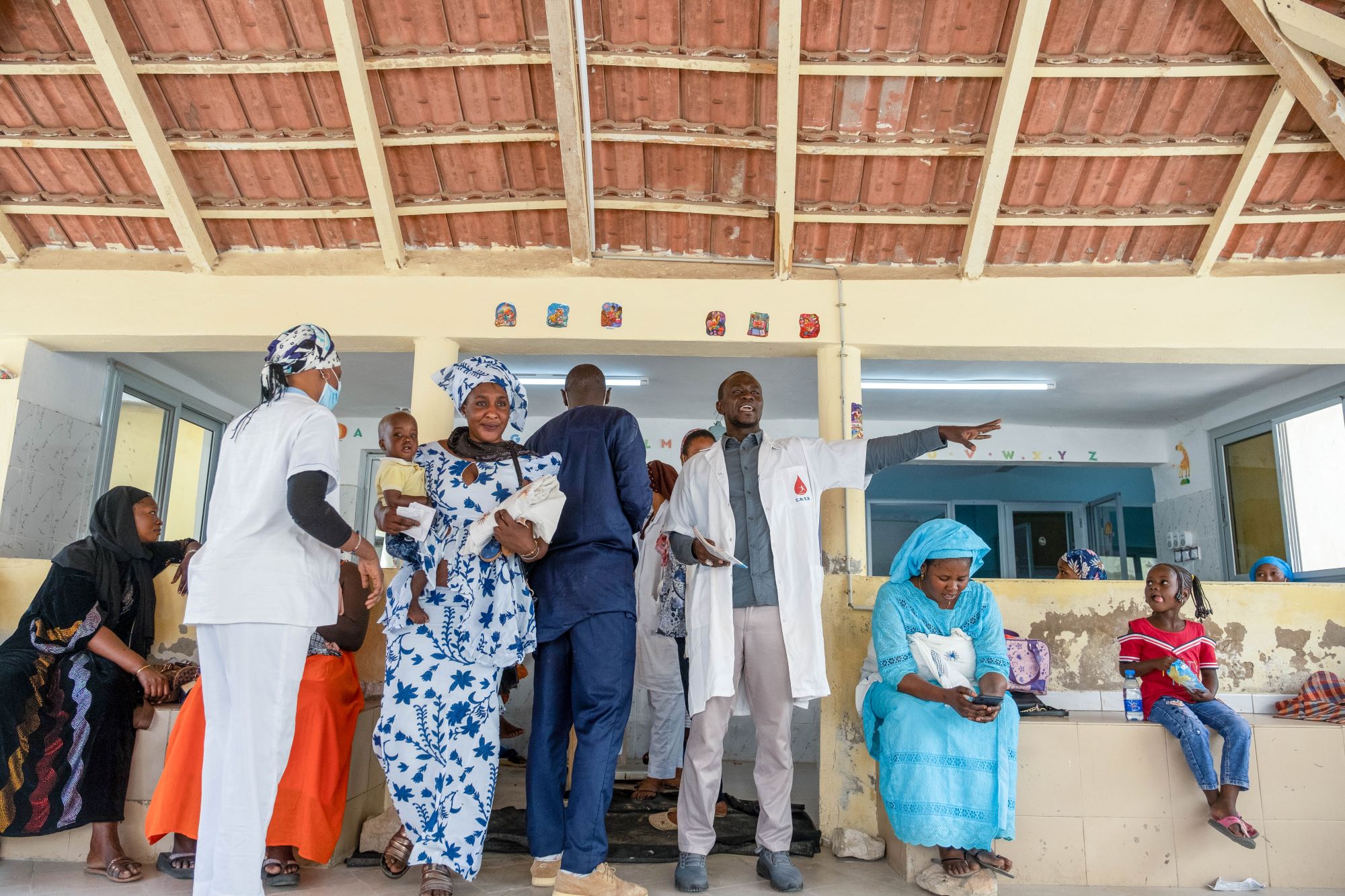
What’s more, treatment for cervical cancer isn’t always available in these countries. In Senegal, women may need to travel to Morocco or Europe because they can’t access care locally. Most people can’t afford that, so they wind up spending all their money on palliative care. It’s just devastating.
That’s why the HPV vaccine is so important. It stops the problem before it starts. I’m also working to help countries get more access to cervical cancer screening programs like the one that was available to me in the U.S. This will help prevent the cancer in women who didn’t have access to the vaccine.
As we say in French, “mieux vaut prévenir que guérir,” or “better to prevent than to treat.”
Aboubacar puts it this way: “I love vaccines, but I particularly love the HPV vaccine because it can give young girls a chance.” I couldn’t agree more.