
China
Strengthening Tuberculosis Prevention and Control
For more than a decade, we have worked with Chinese government agencies to implement comprehensive measures to address China’s tuberculosis (TB) epidemic, with significant results. These measures include TB policy management, financial protection, rapid diagnostic tools, digital patient management, and new treatment options.
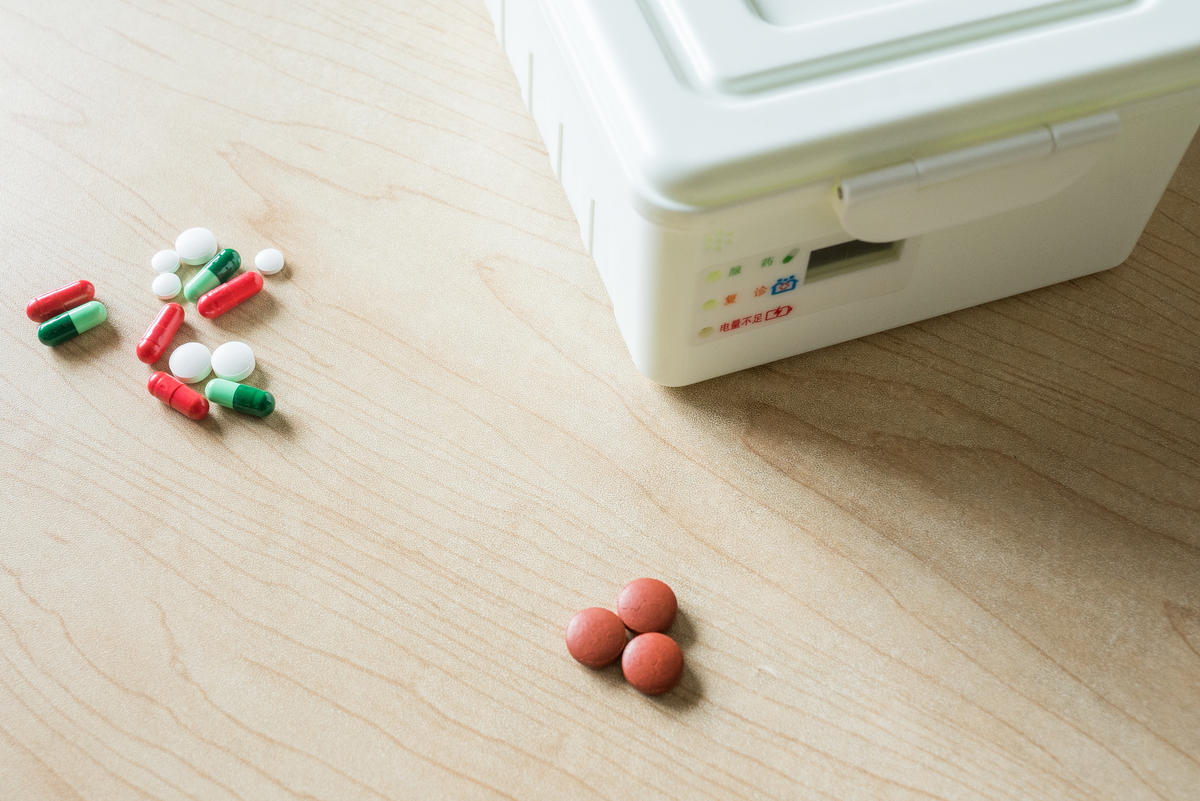
Each year, about 10 million TB cases are reported worldwide and well over a million people die of the disease. Almost a quarter of the world’s population is estimated to carry the bacterium that causes TB. China has the world’s second-largest TB burden, with over 800,000 new cases every year—almost one in 10 cases globally. A significant minority of these patients will develop drug resistance, making their illness extremely hard to treat.
In 2008, Bill Gates and Melinda French Gates visited Hainan, a subtropical island province that is one of China’s most TB-affected regions. By that time, China had already made huge strides against TB, and just two years later it would achieve its United Nations Millennium Development Goal of cutting TB incidence and mortality in half from 1990 levels—five years ahead of the 2015 target. Bill and Melinda became convinced that the foundation could support the next stage of TB prevention and control in China by facilitating the introduction of diagnostic, treatment, surveillance, and funding innovations that could greatly improve the lives of people infected with TB and make TB elimination a real possibility in China.
The following year, the foundation began working with China’s National Health Commission (NHC) and the Chinese Center for Disease Control and Prevention (China CDC) to create a new model for TB prevention and control in China. Echoing the World Health Organization’s TB elimination strategy, this project takes a holistic approach to address China’s TB epidemic that includes TB policy improvement, financial protection, rapid diagnostic tools, digital patient management, and innovative treatment options. In its first decade, the project benefited 90 million people in 11 Chinese provinces.
The impact of the project in the targeted provinces has been significant:
- In 2009, it took two months to diagnose drug-resistant TB in China; now takes just two hours, thanks to more advanced technology.
- In 2009, TB patients had to take 13 tablets a day as part of their treatment; now they need only three.
- The previous regimen of traditional “second-line” drugs had an average cure rate for drug-resistant TB of just 50 percent; preliminary results show that new drugs introduced under the project can increase the rate to 85 percent.
- Thanks to new government funding mechanisms, out-of-pocket medical expenses for TB patients covered by the program are now capped at 10 percent.
In 2019, the foundation renewed its partnership with the NHC, with both parties committing to a nationwide scale-up of the program. This will contribute to continued progress toward TB eradication in China.