
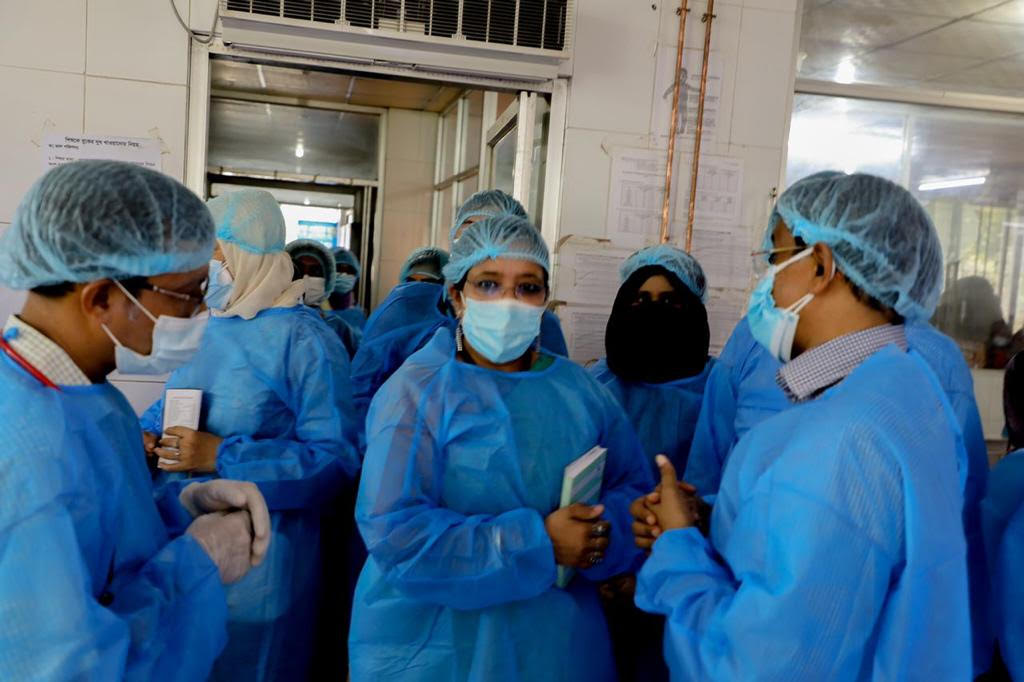
Years ago, when I was first working as a medical resident in rural India, a woman was wheeled into our hospital’s intensive care unit. After delivering her first child, she immediately began to lose blood—a lot of blood. It’s called post-partum hemorrhage, and it’s the leading cause of maternal death worldwide.
If the right resources are available, post-partum hemorrhage doesn’t need to be fatal. But you must respond quickly.
That wasn’t possible with this mom. She came to our tertiary hospital from a much smaller clinic that didn’t have the resources to respond. We were well-equipped and even brought in specialists to help. But it was too late—she passed away the next day.
Her father said, “How are we to care for this little one, this two-day-old baby?” I had no answer.
Maternal and infant mortality by the numbers
Even today, decades after that newborn was left without a mother, 70,000 women are dying from this preventable and treatable condition each year—that’s one death every six minutes.
And that captures only a fraction of this truly unacceptable problem. Some 287,000 mothers die each year during pregnancy or childbirth—that’s one death every two minutes. And of course, a mother’s health is inextricably tied to the health of her baby: 1.9 million babies are stillborn each year;another 2.3 million newborns die in their first month of life.
…Global progress starts with, and hinges on, healthy moms and babies.
When mothers and infants die, mourning and traumatized families and friends are left behind. Communities and even economies suffer. And unnecessarily so: Many of these deaths are preventable. But the drugs, interventions, and tests that could save lives are not reaching the families that need them most.
Related program
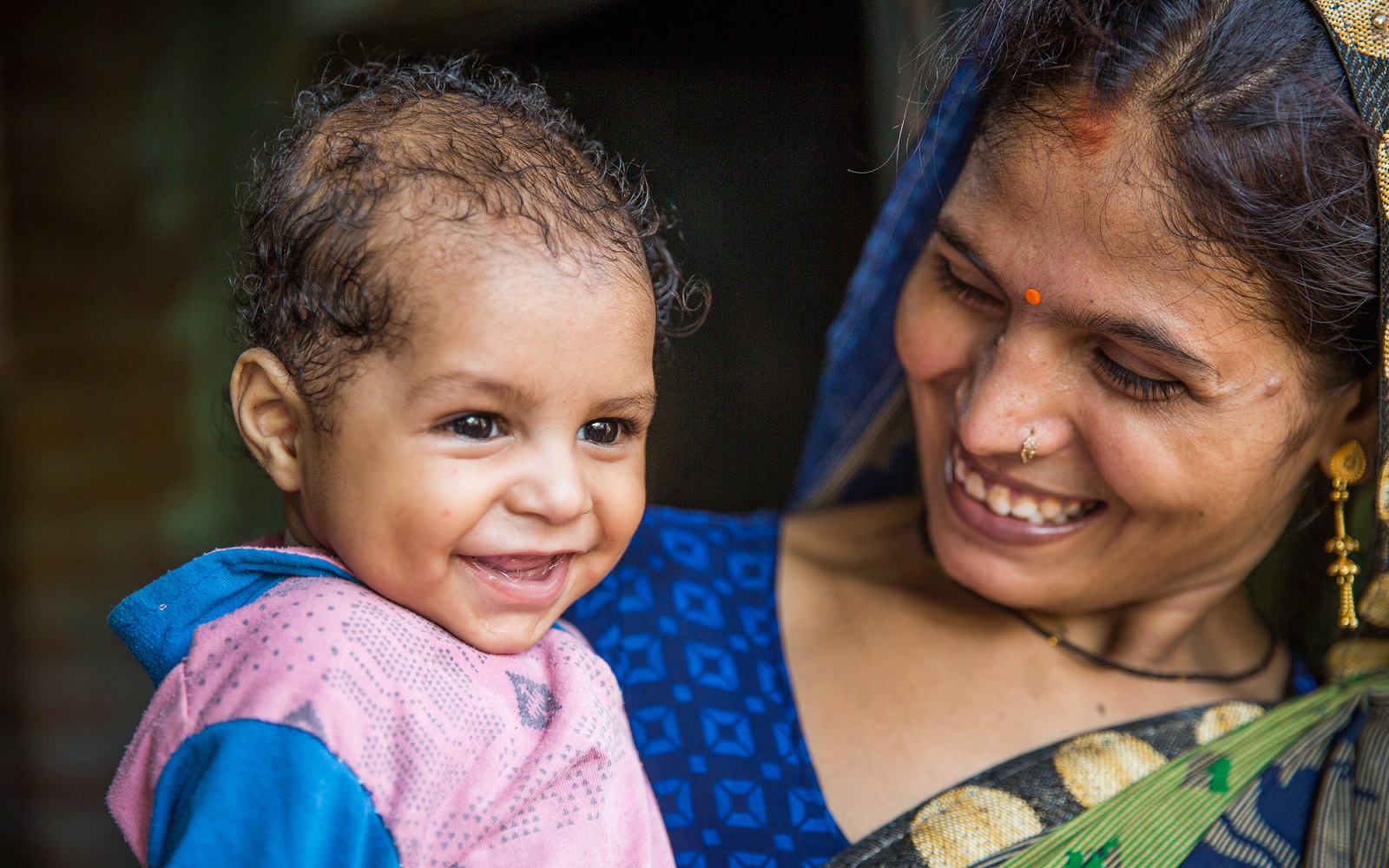
Global progress against maternal and infant mortality has stalled in recent years. We can’t back down because of new barriers, however, because global progress starts with, and hinges on, healthy moms and babies.
Last month, I joined over 1,800 other maternal, newborn, and child health advocates at the International Maternal Newborn Health Conference (IMNHC) 2023 in Cape Town, South Africa, where we discussed cost-effective, data-driven, innovative solutions to some of the biggest problems in this space. I came away with three reasons to feel hopeful that we can help more moms and newborns survive childbirth and thrive well beyond it.
Three reasons I’m hopeful we can reduce maternal and newborn mortality
Reason 1: We can reduce post-partum hemorrhage by 60% by using a new, low-cost intervention
As a doctor, I was taught that the response to maternal bleeding should depend on the amount of bleeding. If the mom loses 250 mL of blood, we’re trained to respond in one way; if it’s 500 mL, we respond differently, and so on. But it’s difficult to accurately measure blood loss. And if you estimate wrong, the situation can become dangerous very quickly.
Post-partum hemorrhage currently affects around 14 million women each year. But a new protocol described in a recently published study led by the World Health Organization and the University of Birmingham may help drastically reduce that number. The study shows that having access to an immediate bundle of care called E-MOTIVE, which includes a low-cost drape that can measure blood loss, can help medical workers take timely and appropriate actions to save lives.
The study showed a 60% reduction in excessive bleeding, that will translate into many thousands of lives saved if the bundle were widely used. And the E-MOTIVE intervention can be performed by midwives, who are an incredibly effective part of the health care workforce. The new protocol represents a huge shift in thinking, and the results were so startlingly positive that we’re all eager to see policies and resources put in place to support implementation to the last mile.
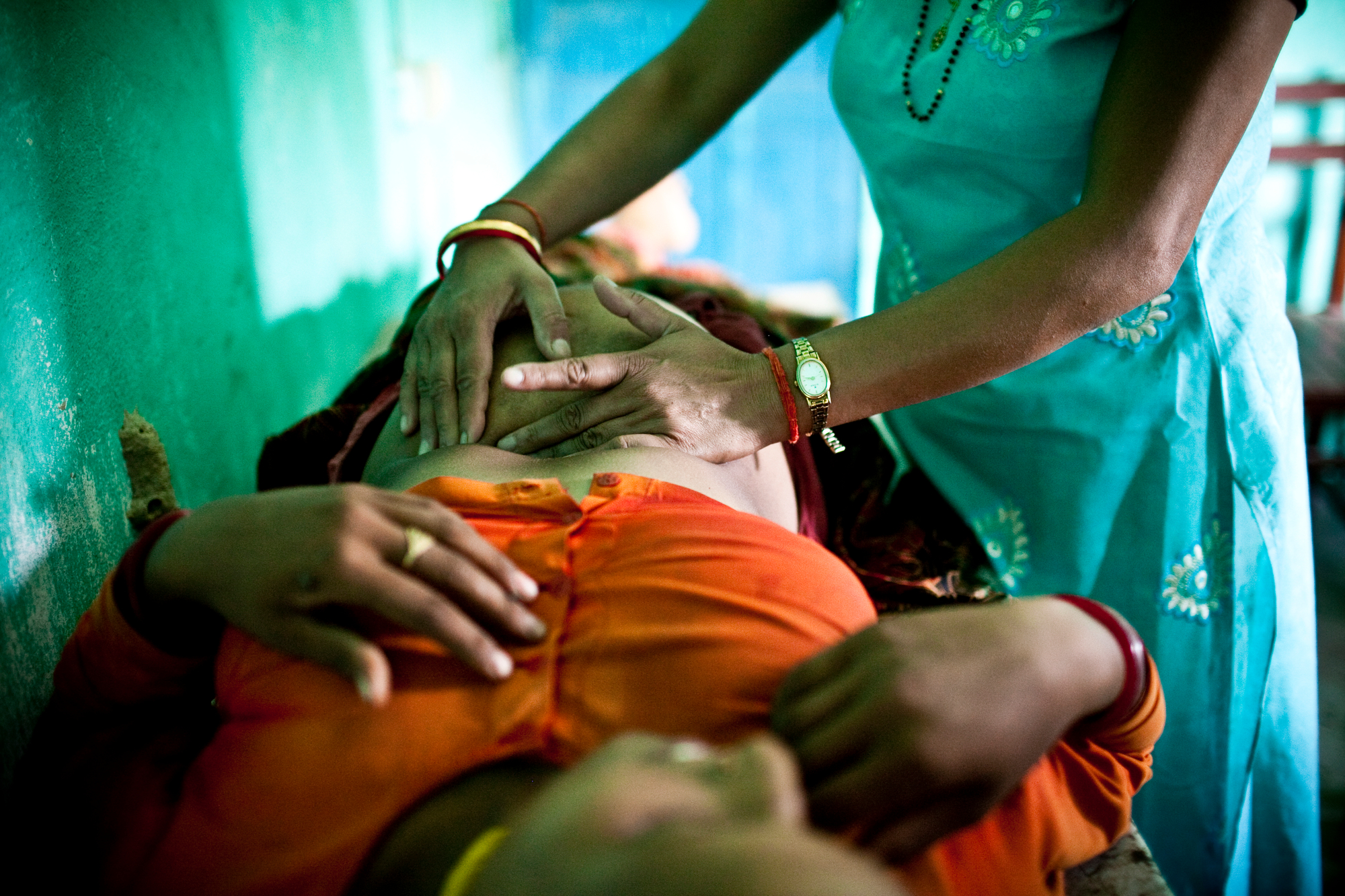
Reason 2: New innovations are poised to ensure more equitable access to ultrasound scans
In high-income countries, ultrasound scans have long been part of routine pregnancy care. Yet many doctors, nurses, and midwives in low-income countries lack critical information because mothers aren’t able to get these scans. Many clinics simply don’t have ultrasound machines or trained technicians to read the images. Many families can’t afford the scans anyway.
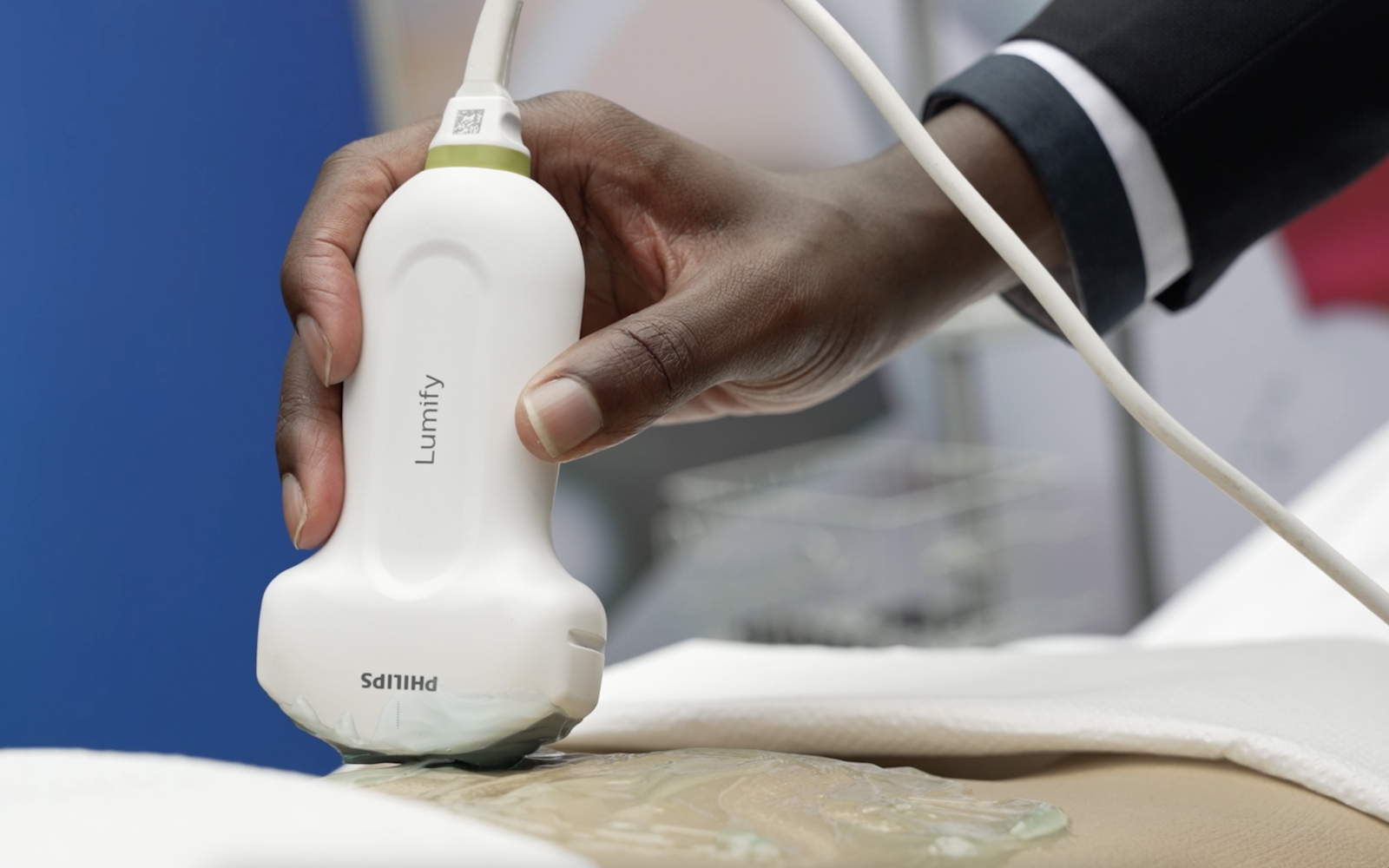
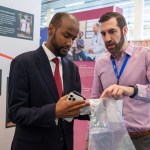
Two new innovations could help address these problems. Philips has developed portable ultrasound probes that are so compact, they can fit in a pocket. These new devices can be connected to smartphones or tablets to produce images that can help clinicians identify warning signs early in a pregnancy. Studies have shown that these little devices are accurate at identifying high-risk pregnancies, and health care workers in Kenya and South Africa are testing them to learn more about introducing them more broadly.
Another innovation could greatly expand the benefits of access to new ultrasound devices. Rural clinics not only need the devices, they need to be able to interpret the scans. Researchers at the Butterfly Network are working to develop artificial intelligence technology that will help practitioners understand ultrasound results even without specialized training. Deployment of this new technology in the field is several years away, but I’m excited about the potential.
Reason 3: The commitment to applying scientific discovery to maternal and newborn health, and scaling up evidenced-based interventions, is growing
At IMNHC 2023, I was excited to see energy focused on the need to provide comprehensive care throughout a woman’s life—particularly during pregnancy, childbirth, and the postpartum period. There was also increased attention on the intersection of maternal health with areas like nutrition and postpartum family planning, which are often overlooked. Overall, it was exhilarating to witness a consensus developing on the critical importance of improving quality of care at scale alongside access—and ensuring mother and baby are seen as a dyad: healthy women giving birth to healthy babies.
Anemia, or low iron, during pregnancy is a huge problem for women in low-income countries that can have profound consequences for their health and the course of their pregnancy. Anemia contributes to post-partum hemorrhage and can lead to babies being born too soon or too small. But scaling up access to maternal intravenous iron can change this trajectory and help save lives, which is work out partners at the Anemia Action Alliance are carrying out right now.
Related program
Maternal sepsis is also a significant problem for women in low-resource settings. But it can be treated with an inexpensive, low-tech solution: a single dose of azithromycin, a safe, common antibiotic that can reduce maternal sepsis by one-third.
Ensuring medicines like these and exciting new products are reaching women at scale—as part of comprehensive, quality healthcare provided by skilled healthcare workers—will ensure we are saving lives like never before.
Continued innovation and investment could make pregnancy and childbirth safer for all
We are at a tenuous moment. Progress in maternal and newborn health has stalled, and yet, for the reasons I’ve shared above, we’ve never been better poised to make progress. But more funding is needed to fulfill the promise of these solutions. Our foundation is ramping up investments in research and development that could spur further innovation for maternal and newborn health. We are also working alongside our partners and a diverse set of stakeholders to support policies and actions that can amplify the impact of new innovations.
What’s striking about all these potentially life-saving treatments and technologies is that none of them are prohibitively expensive. That means fewer barriers to reaching the families who most stand to benefit—and it means that the goal of greatly reducing maternal mortality, stillbirth, and newborn morality is well within reach.
Having a safe pregnancy and successful delivery shouldn’t depend on where you live. It shouldn’t depend on whether you’re rich or poor. It’s what every mother-to-be and every child deserves.