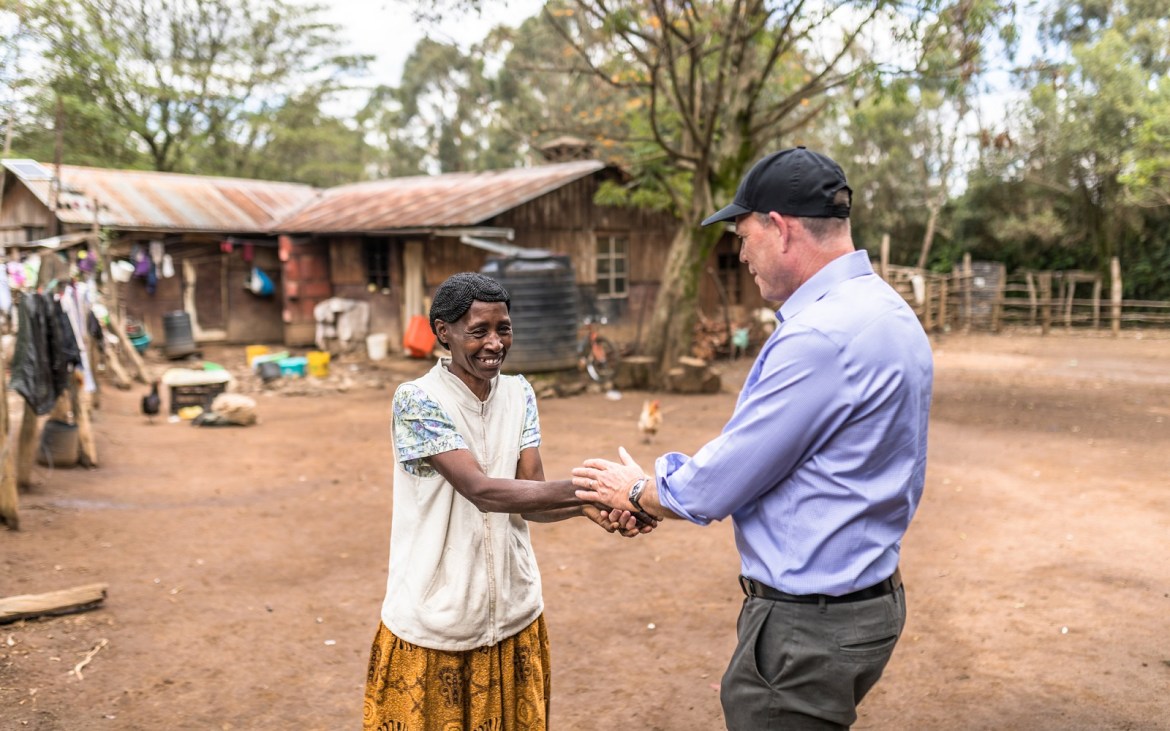

In late April, I spent a few days in Kenya learning from partners and grantees about the work they’re doing to help more people live healthy lives and reach their full potential.
I also held baby chicks, tested an AI-enabled ultrasound machine, and ate some nutrient-packed crickets!
Last year in Kenya, Bill Gates reaffirmed our foundation’s long-term, US$7 billion commitment to support African countries and institutions that are developing innovative approaches to addressing hunger, disease, gender inequality, and poverty. My trip was a chance to witness some of that innovation in action. I met people who are harnessing the power of science, building women’s economic power, and tackling Africa’s biggest development challenges, and I left inspired by the progress they are making for their communities.
Below, I’m sharing a few photos of my trip and the stories behind them.
On my first day in Kenya, I joined the first-ever in-person gathering of all Gates Foundation partners in the country.
Our partners showed me groundbreaking solutions, from artificial intelligence (AI) ultrasounds to modern family planning options. I saw how they’re using data to inform policy decisions, and I learned about flexible funding models that help women access smartphones and unlock economic opportunity.
I also learned about how our partners are connecting smallholder farmers with timely, accurate weather data so they can quickly respond to changing conditions. And I saw our partners connect with one another and discover linkages between their efforts.
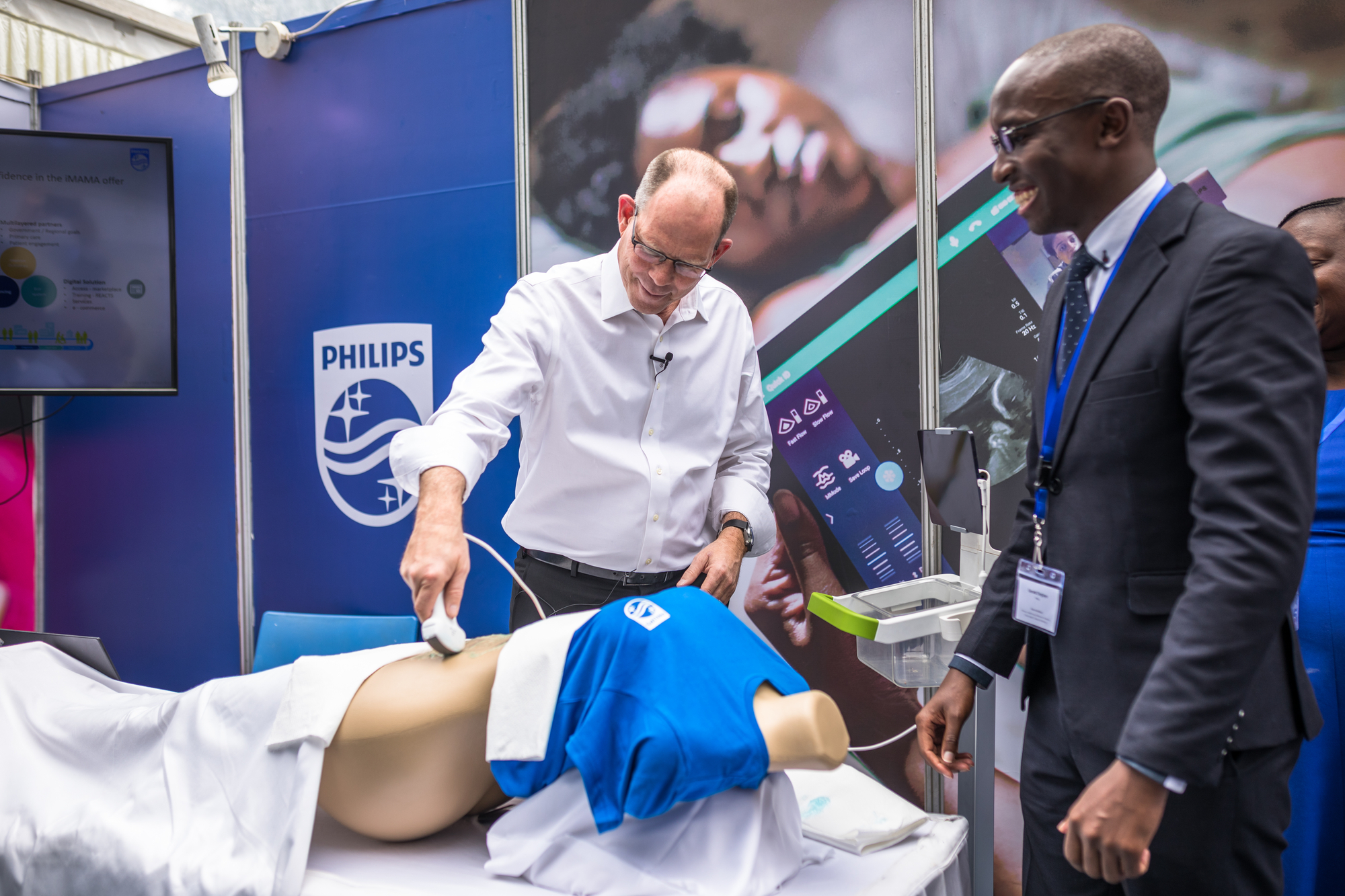
Here I am testing an AI-enabled ultrasound machine. It gave me a lot of hope for the ways that new tech can be used to increase health equity.
In most of the places I’ve traveled over the past year—from COP27 in Sharm El-Sheikh, Egypt, and the World Economic Forum in Davos, Switzerland, to India and then Kenya—I’ve had the pleasure of meeting with members of our Goalkeepers community.
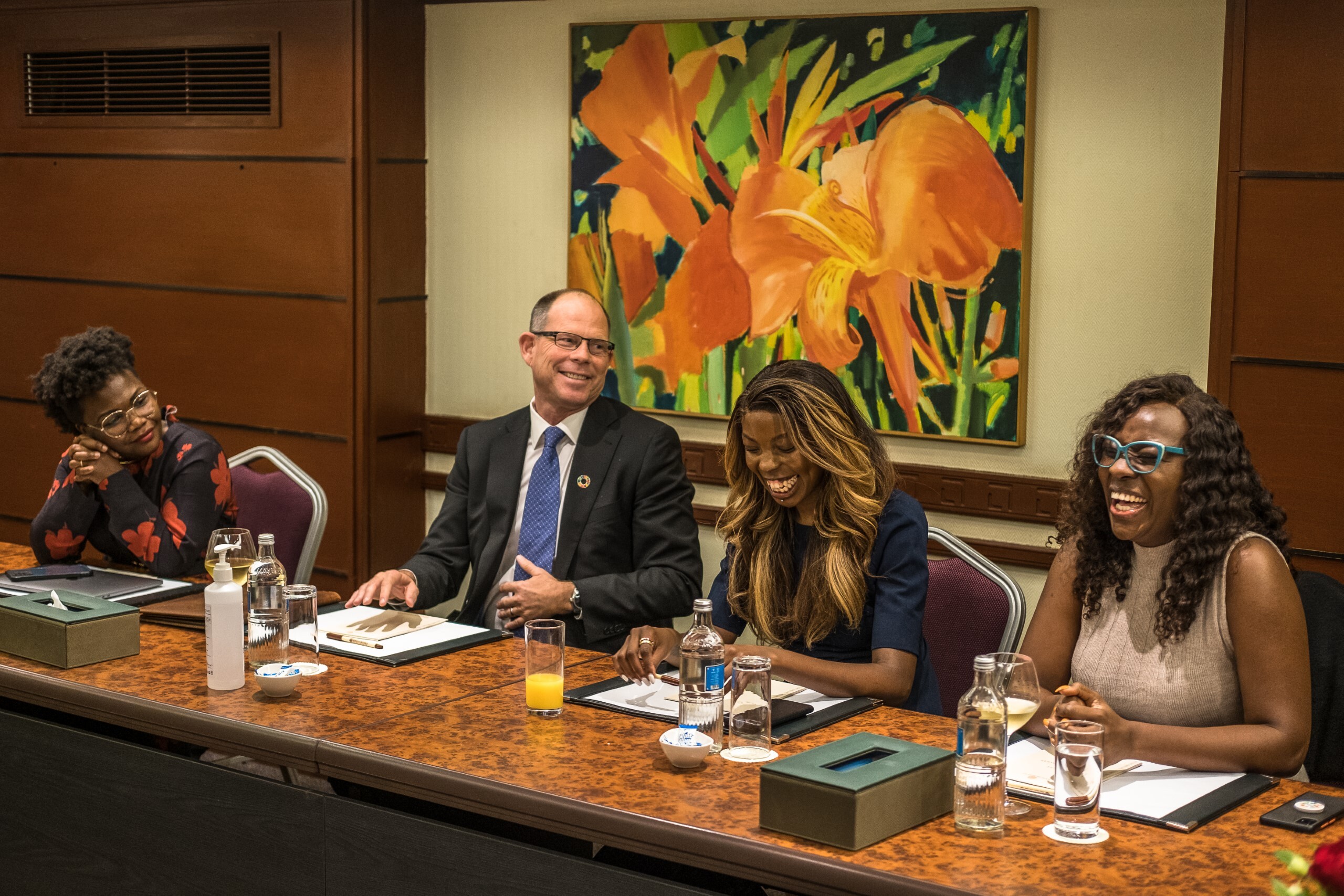
Here I am with three of them: Dr. Stellah Bosire, an award-winning medical doctor, researcher, and activist; Adelle Onyango, a Kenyan media personality and founder of Legally Clueless Africa;and Scheaffer Okore, a feminist global development strategy advisor.
It was an energizing conversation with an amazing group. We discussed gender equality, why communities must play a leading role in developing solutions to the issues that affect them most, and how the Goalkeepers platform can help advance progress for people.
After more than a year of reading and learning about the power of dual-purpose poultry for climate adaptation, I finally got a firsthand look when I met partners Tadelle Dessie and Ochieng Ouko from the International Livestock Research Institute (ILRI) and Kenya Agricultural & Livestock Research Organization (KALRO).
At the KALRO Research Station in Naivasha, I learned about how these two organizations are helping to strengthen Kenya’s food security through livestock research, vaccination, breeding, and distribution and training for smallholder farmers.
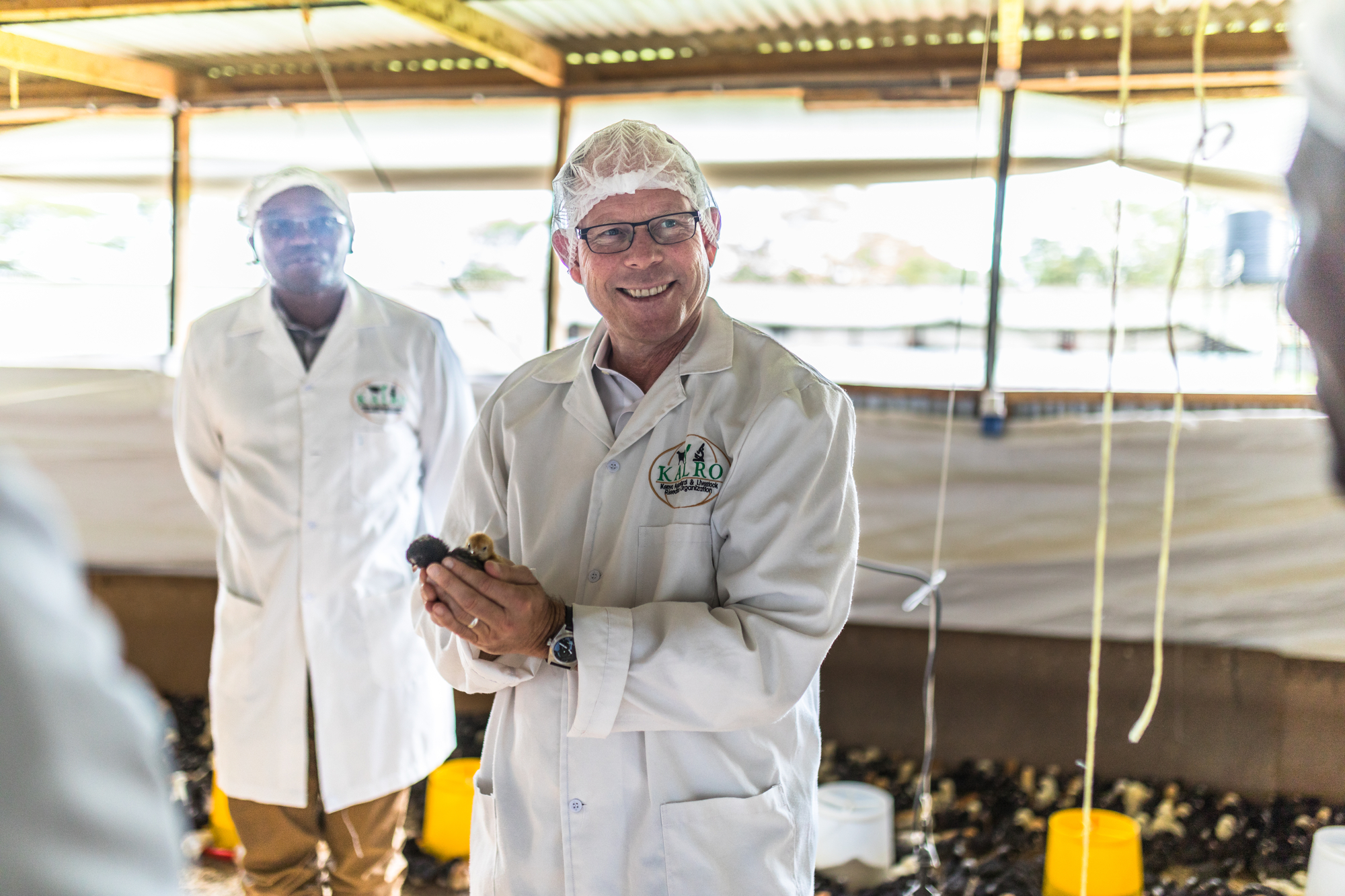
I also got the chance to see (and hold!) their dual-purpose chickens.
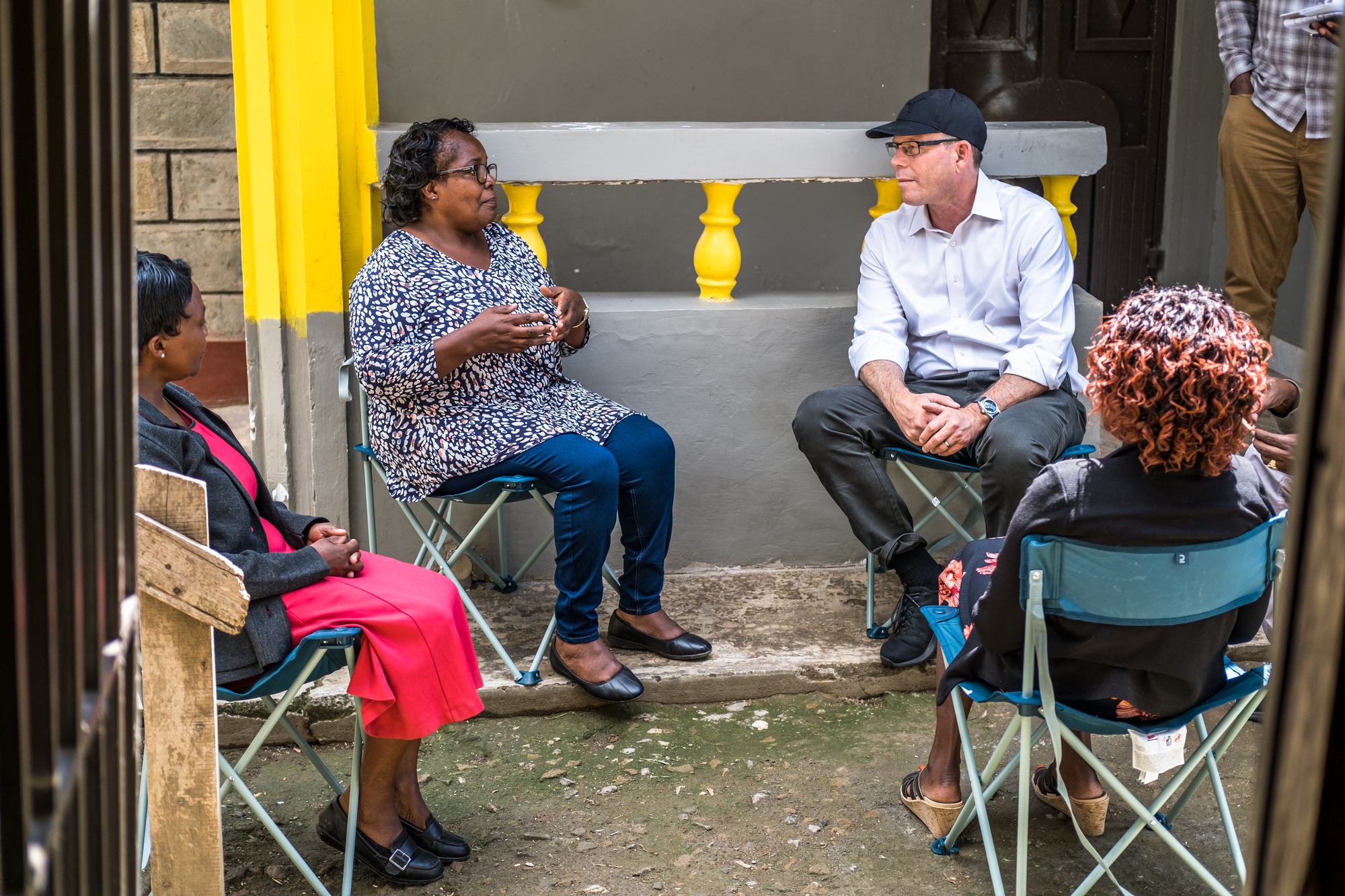
In Mirera, I learned from Joan Wangechi, a brooder farmer and mentor to other women who are starting small businesses raising chickens in their community.
KALRO provided Joan with healthy birds and training. She grew her business from her garage to a structure that now holds more than 1,000 chickens. As a result, she also increased her family’s income and has inspired others to do the same.
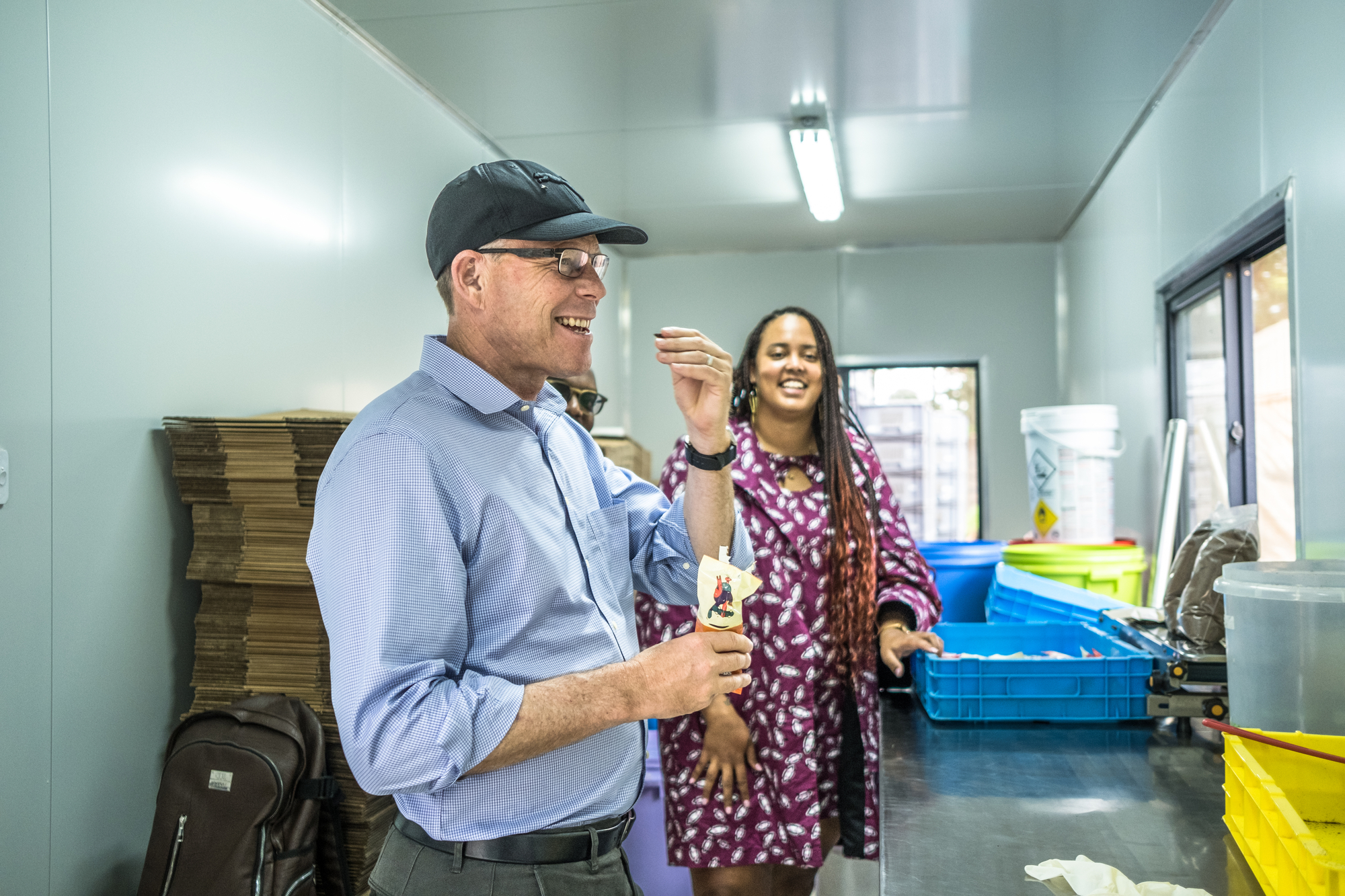
InsectiPro founder and CEO Talash Huijbers took me on a tour of InsectiPro’s facility in Limuru, which breeds and processes black soldier flies for use as animal feed and fertilizer.
I also got to try several cricket-based food products—all of them high in protein, iron, and zinc—that InsectiPro is farming for consumption to address food insecurity and poor nutrition in Kenya.
I tried cupcakes, porridge, and snacks, and even brought some snacks home for family and colleagues to try.
My favorite? The salt-and-vinegar-flavored “Chirrups”!