
Cheikh Oumar Seydi, who leads the foundation’s work in Africa, wrote on Africa’s initial COVID-19 response in April 2020. We caught up with him to discuss his thoughts on the pandemic at the end of the year and what’s to come in 2021.
I think the most important area of progress has been the overall level of response on the continent. When COVID-19 hit, African governments and leaders moved very quickly to take lockdown measures that prevented what could have been a catastrophic situation of massive infections and overwhelmed health systems. Because nations acted swiftly, we did not reach that point. To date, Africa has seen around 56,000 deaths, which is of course tragic but is far, far less than anyone originally predicted.
In addition, countries all over the continent have worked extremely hard this year to bolster their own pandemic response capabilities. For example, nations have worked together to invest in creating better medical supply networks at home through initiatives like the Africa Medical Supplies Platform. African countries have also reinforced and strengthened national Centres for Disease Control. These strong national CDCs and regional collaboration through Africa CDC are not only important for this crisis—they can help build strong health systems and prevent the spread of emerging diseases from reaching pandemic levels. Investing in CDCs now will be key in responding to other health emergencies in the future.
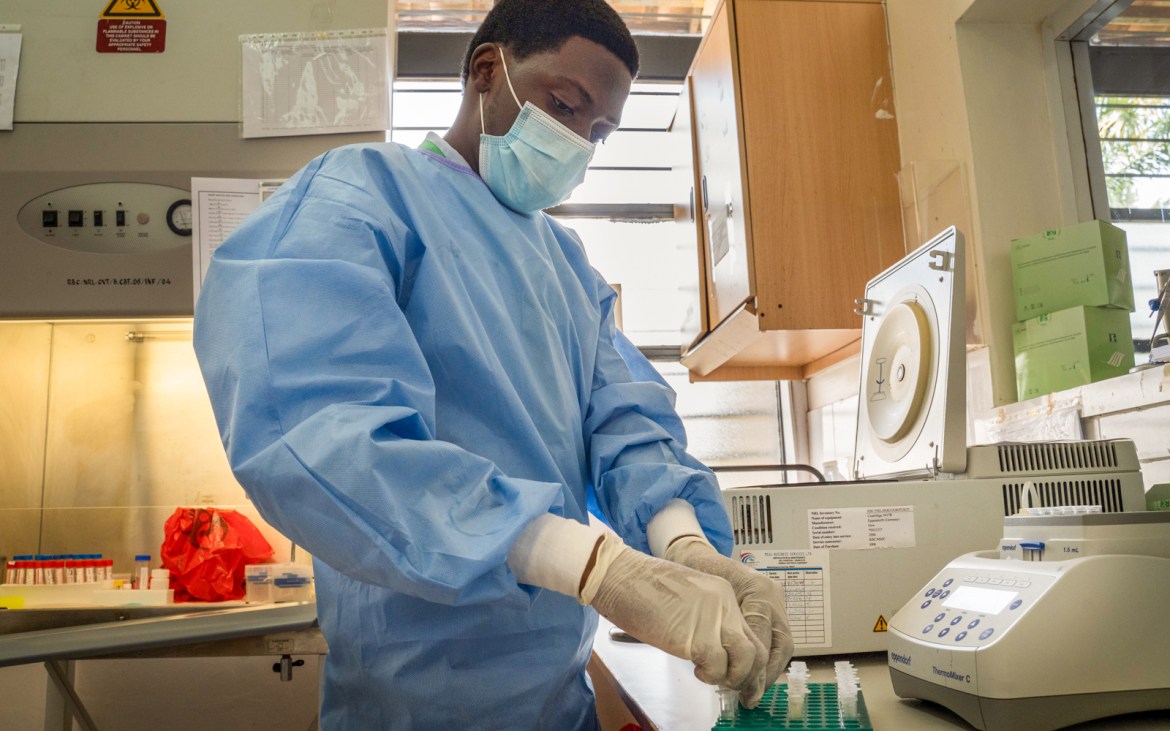
One of the biggest challenges was the initial struggle to get basic and necessary things like personal protective equipment and diagnostics. Ten months out, the robust testing regimes that are really needed to fight a pandemic like COVID-19 often still haven’t been put in place. That has sometimes made it difficult to assess COVID-19’s spread in Africa. But we know that effective diagnostic programs are possible. For instance, Senegal has used its experience of the 2014 Ebola outbreak to act quickly and deliver clear, consistent science-based information about the virus, complemented with ramped up testing capacity.
More broadly, the economic challenges in COVID-19’s wake have been absolutely devastating. Before the pandemic, extreme poverty had been reduced by 28% in Africa since 1990. But by the end of the year, 13 more million Africans will live under the poverty line. That is just catastrophic.
Similarly, there have been considerable setbacks in our recent progress against other diseases like HIV and malaria. Many essential health services have taken a back seat in 2020 because people have been busy with COVID-19. We need to maintain focus on these other priorities as we continue fighting the pandemic so that these setbacks on other important issues are not made permanent.
Subscribe to The Optimist to get weekly updates on the latest in global health, gender equality, education, and more.
By submitting your email to subscribe, you agree to the Gates Foundation’s Privacy & Cookies Notice.
One big takeaway is the critical importance of what we now call the “trade-off triangle”—having the right balance between the COVID-19 response, the economic response, and the continued support of essential health services. While the direst predictions for COVID-19’s health impact in Africa have so far been averted, the economic crisis that ensued from the pandemic has been significant.
Another thing I wish we’d known then is the tremendous capacity for basic social distancing measures to reduce COVID-19 transmission. If we had, maybe countries could have focused more on small things like wearing masks and regular hand washing, and shorter or less strict lockdowns. But of course, these are things we’ve learned over time. In the moment, governments were operating with limited information about how transmission worked, and they acted quickly to protect people given what seemed best at the time.
In 2021, I hope we can expand access to new COVID-19 vaccines, diagnostics, and treatments in a way that recognizes and reduces global inequity. Wherever you go, the most vulnerable populations also tend to be the ones most affected by COVID-19’s impacts, and they deserve the chance to benefit from these new innovations. Helping to ensure equitable access is why we’re involved in the ACT-Accelerator and a host of other projects, and why I joined the foundation in the first place. I feel blessed every day to work at a place that believes that all people should be able to live healthy and productive lives.
However, that means success in defeating COVID-19 isn’t just a working vaccine but a strong and effective vaccination campaign—one where demand and community outreach are critical components. So, I also hope that in 2021 we go beyond just getting vaccines and medicines into ports of entry in various countries and instead ensure these innovations truly reach the communities where we need to make a difference. When the most vulnerable and hard-to-reach communities get what they need, then we can declare success.
I’m a big optimist and I strongly believe that if we keep up the hard work and continue to support the countries and partners that want our help, we can start to reverse the damage done by COVID-19 over the past year and make the world a better place in 2021.