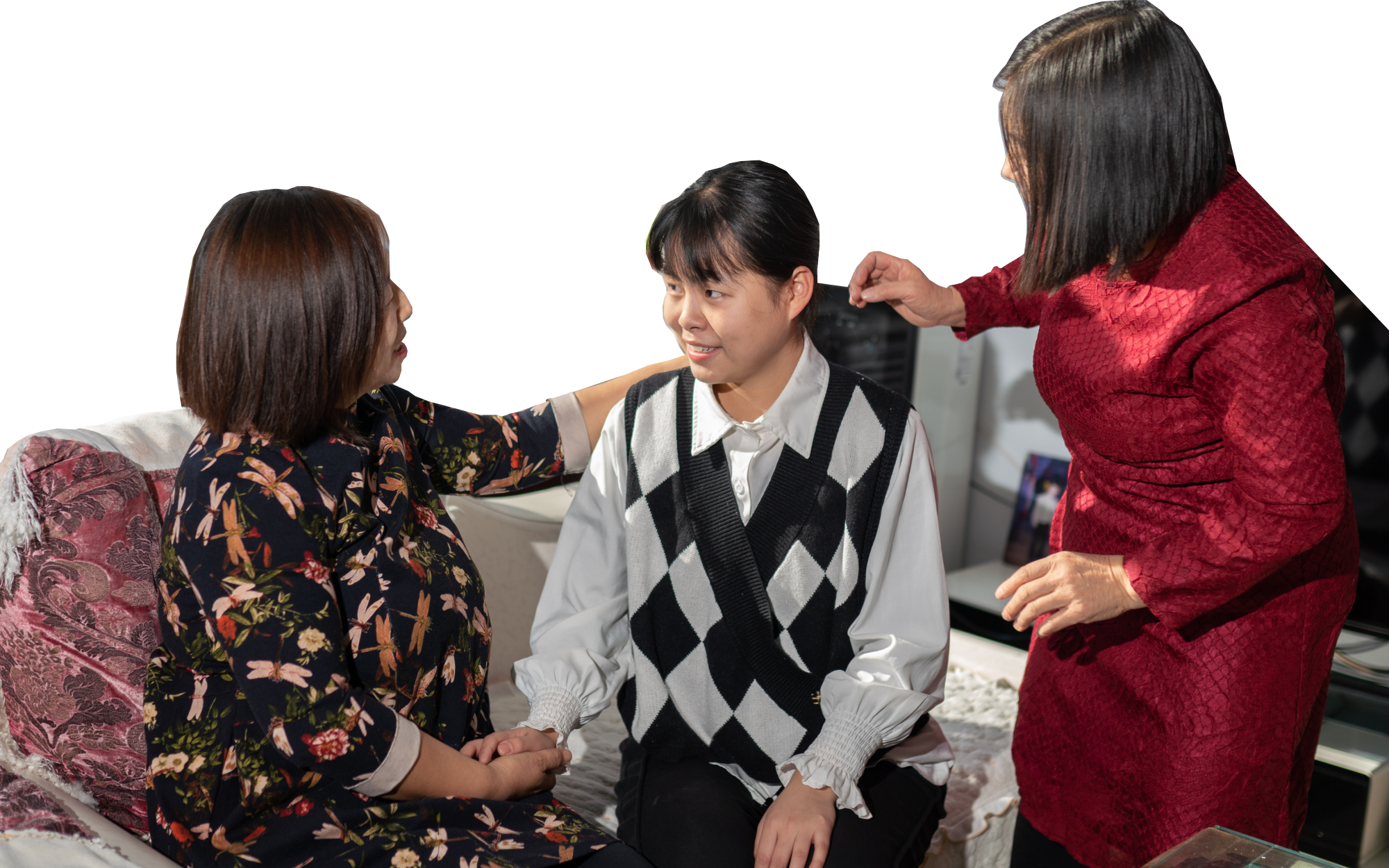
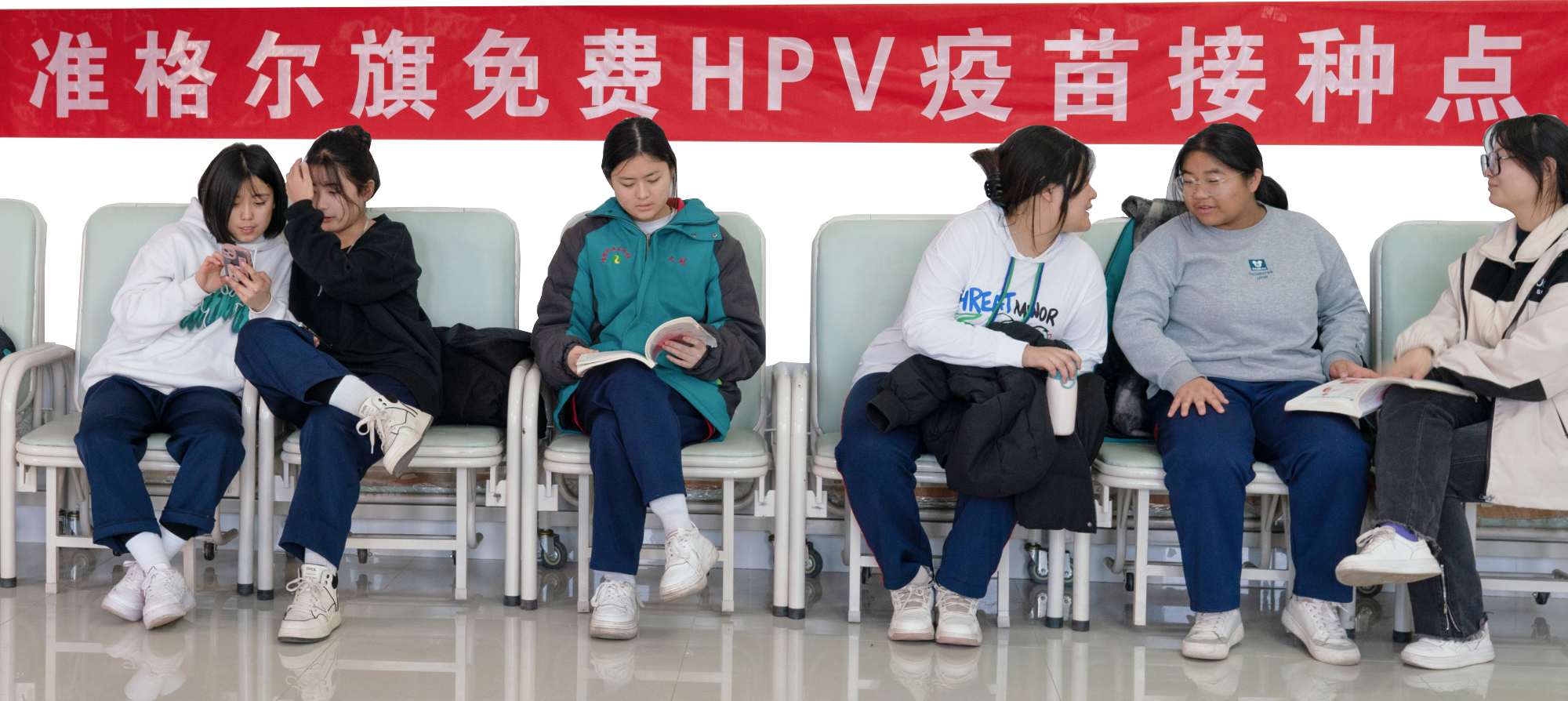
As she stepped out of a clinic in Ordos City, Inner Mongolia, after getting the human papillomavirus (HPV) vaccine in August 2020, Hao Ye was in for a surprise. She found herself surrounded by reporters peppering her with questions: How was she feeling? What was the experience like?

“That’s when I found out I was the first person in all of China to receive the free HPV vaccine,” she says. “It was all a bit surreal at first, but I soon felt honored.”
Hao was excited when she learned that her local government was starting a free HPV vaccine pilot program in her region, supported in part by the Bill & Melinda Gates Foundation and in partnership with the Chinese Academy of Medical Sciences Cancer Hospital and the Ordos Health Commission.
Her mom accompanied her to the clinic that day. Part of Hao’s eagerness was her family’s medical history—both her mom and aunt have had HPV. Hao, who aspires to become a nurse, knew that HPV is linked to 99% of cases of cervical cancer, one of the most common cancers in women. The shot gave her an immediate sense of relief.
“I was happy that I could have this kind of protection,” she says.
A milestone in women’s health
Hao’s vaccination represents a major milestone in a country that accounts for 18.2% of the world’s cervical cancer cases and 17.3% of its deaths related to cervical cancer. Around the world, cervical cancer kills more than 300,000 women every year, including nearly 60,000 in China. The vast majority of the remaining deaths—94%—are in low- and middle-income countries.
Despite its prevalence and lethality, cervical cancer can largely be prevented by a vaccine because of its well-defined cause: HPV. Meanwhile, evidence shows that screenings and early treatment can help control the disease. Based on the success of these interventions, in 2020 the World Health Organization announced a bold goal: a global strategy to eliminate cervical cancer altogether.
The world’s first HPV vaccine was approved in 2006. But access to the vaccine is deeply imbalanced across the globe. Cost barriers, limited supplies, COVID-19 pandemic disruptions, and challenges with reaching eligible recipients are especially prevalent in low- and middle-income countries.

In China, the HPV vaccine is not part of the government-backed National Immunization Program (NIP), so individuals must pay for it out of pocket, putting it out of reach for many.
As part of ongoing efforts to promote the inclusion of the HPV vaccine in the NIP and to address implementation barriers, the free pilot program in Ordos kicked off in 2020 with Hao’s immunization. The Gates Foundation supports such initiatives as part of its overall commitment to improving women’s health around the globe.
The partnerships that made it all happen
The pilot program emerged from the work of, and collaboration among, multiple scientists and government officials.
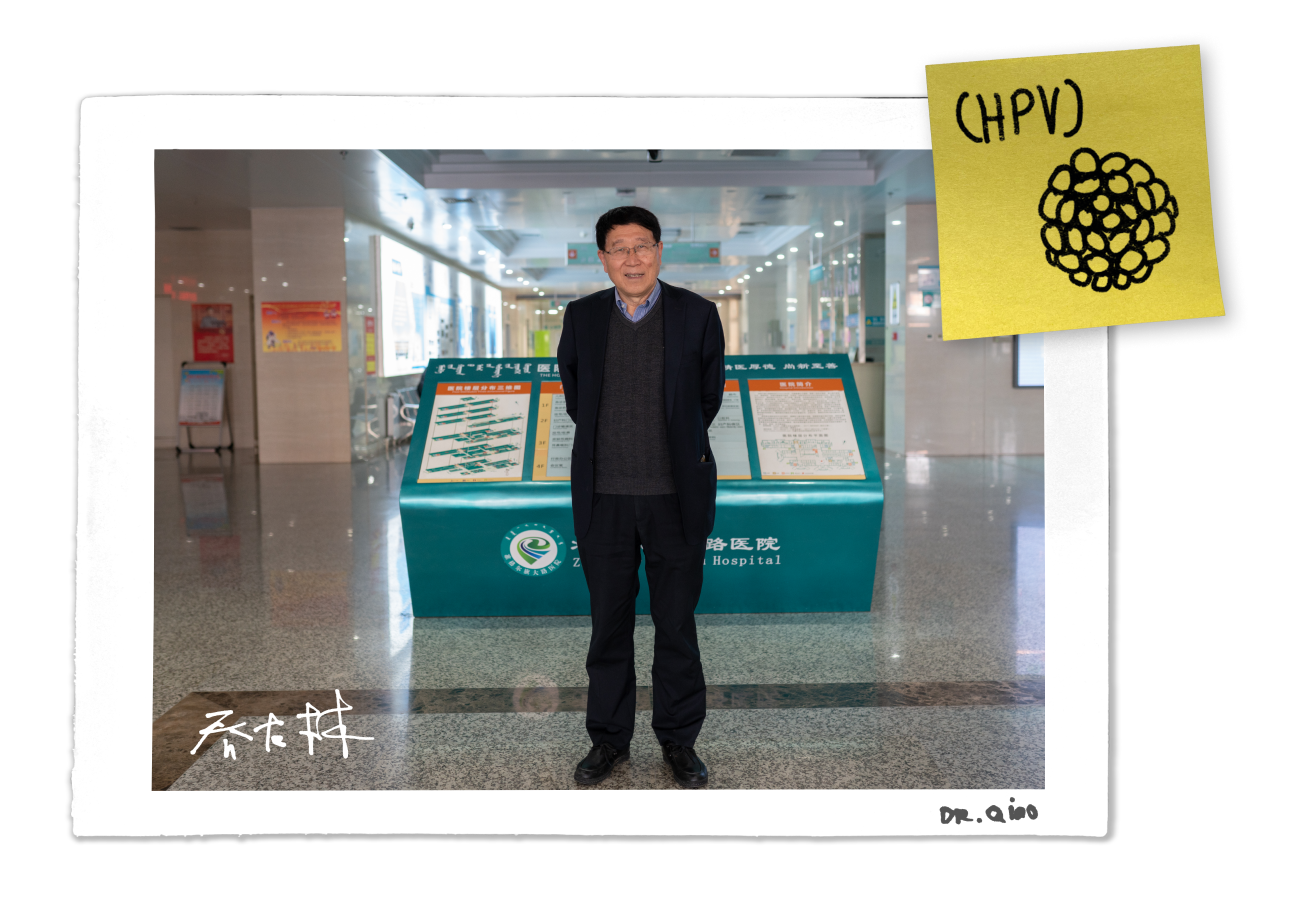
Dr. Qiao Youlin, a prominent cancer epidemiologist affiliated with the Chinese Academy of Medical Sciences and Peking Union Medical College, has dedicated decades to fighting cervical cancer. Qiao has conducted research, implemented cervical cancer screening programs, and overseen clinical trials for HPV vaccines. His research on vaccine impact, conducted with colleagues at the Chinese Academy of Medical Sciences, has yielded a plethora of data and evidence about the efficacy of the HPV vaccine.
“The beginning of any endeavor is challenging,” said Dr. Qiao. “I hold great hope that we will prevail.”
“The beginning of any endeavor is challenging. I hold great hope that we will prevail.”
Dr. Qiao Youlin
Researcher and epidemiologist
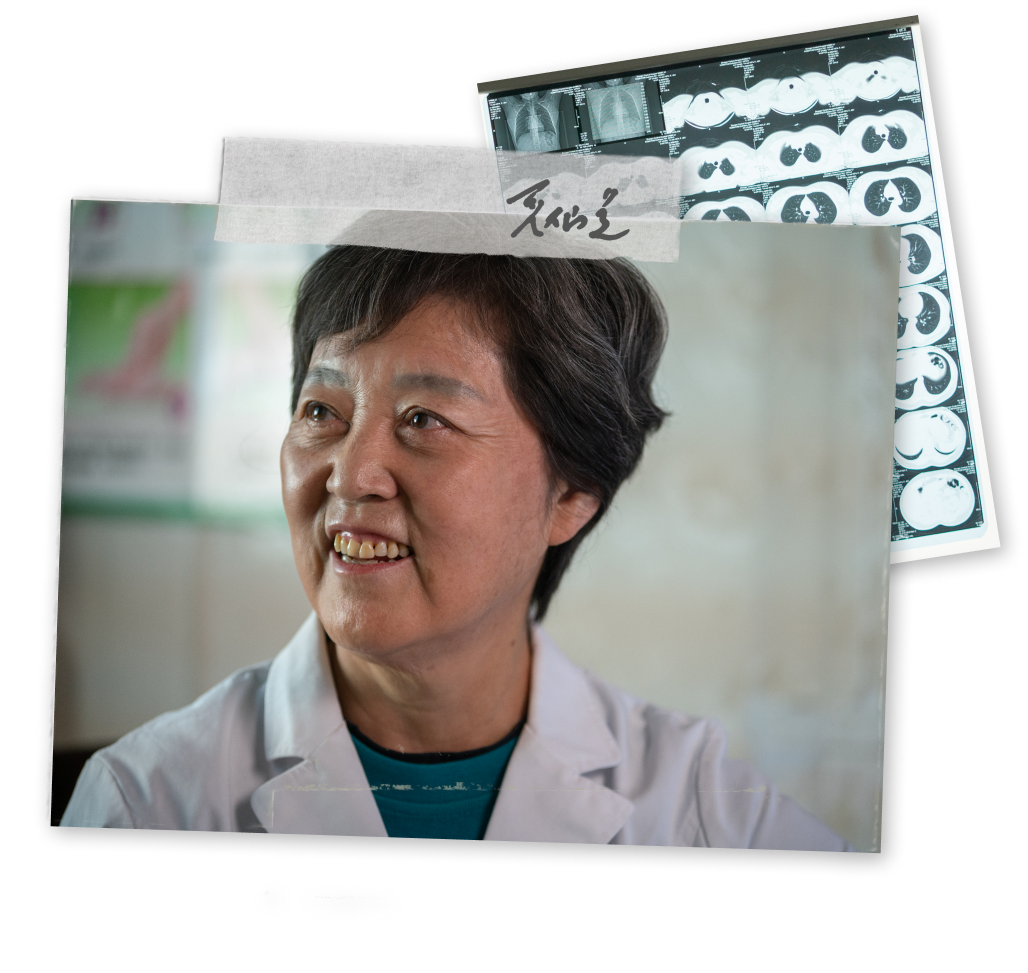
The work of another physician, Dr. Duan Xianzhi, set the foundation for the pilot program’s location. Duan, a gynecologist at the Beijing Tongren Hospital, grew up near Ordos and earned a degree from the Clinical Medical College at Inner Mongolia Autonomous Region Hospital. In 2005, she started an early detection and treatment program at Inner Mongolia People’s Hospital. In 2011, she expanded her coverage area to include the entire Ordos region. Over the next five years, she successfully screened 120,262 women, surpassing her initial goal of 100,000.
Duan’s screening work uncovered a startling statistic: Ordos had the highest detected cervical cancer rate in all of China: 9.87%. That’s nearly 1 in 10 women, or roughly 10 times the national average. It was clear that Ordos would be an ideal launching ground for a free HPV vaccine pilot program.
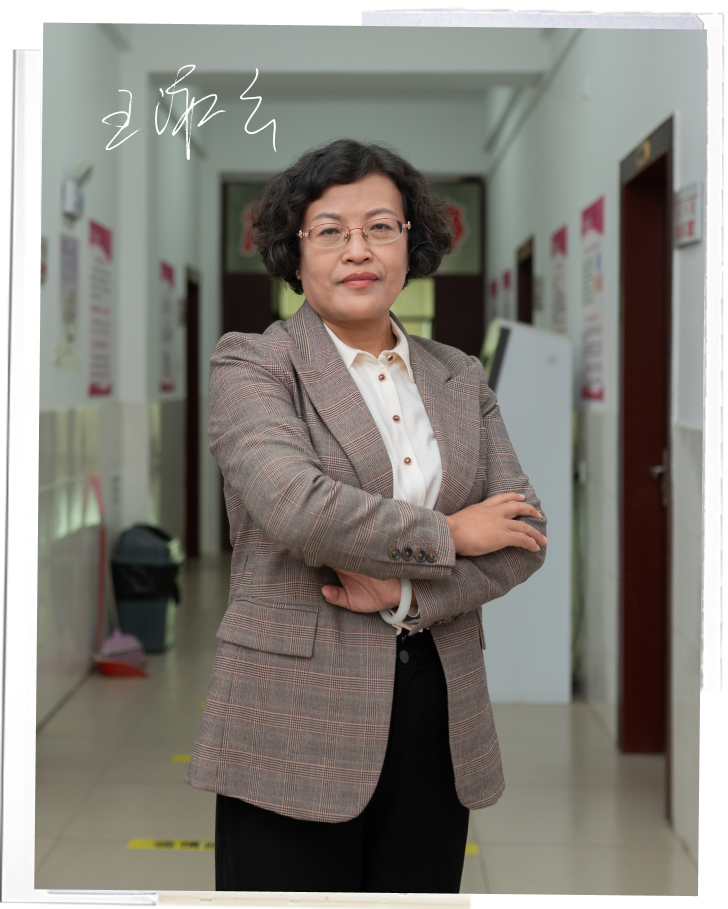
To succeed, the program required local expertise and on-the-ground support. That’s where Wang Shuyun, director of the Ordos Health Commission’s Department of Maternal and Child Health, came in. The government agency focuses on the well-being of women and children.
“The pilot program’s original goal was to vaccinate 10,000 girls ages 13 to 15 in the Ordos region,” says Wang. The goal was soon expanded to girls up to the age of 18. That meant an additional 20,000 young women in the region would be eligible for the vaccine.
Hao Ye was the first of those 30,000 girls to get the vaccine. Since that day, nine provinces and 28 cities across China have included HPV vaccines in their immunization programs.
The power of progress
Encouraged by the positive outcomes of the pilot program, efforts are now underway to integrate the HPV vaccine into the NIP and provide it alongside an expanded cervical cancer screening program.
“Only through such comprehensive efforts can China truly eliminate cervical cancer,” says Wang.
To spur manufacturing of the HPV vaccine in China, the Gates Foundation is funding technical support for local vaccine makers to ramp up production capacity, lower costs, and improve quality.
“I believe that in the next three to five years, all eligible girls in China can receive the HPV vaccination for free,” Dr. Qiao said.

“I believe that in the next three to five years, all eligible girls in China can receive the HPV vaccination for free.”
Dr. Qiao Youlin
Researcher and epidemiologist
Hao, who is now in nursing school, knows firsthand the kind of impact the vaccine would have for millions of women and girls around the world, both emotional and physical. “When you no longer have to worry about these things, you can have a better life,” she says.
She’s already taken part in educational efforts about HPV in her own community. After she graduates, she dreams of being on the front lines of the fight to prevent cervical cancer. “I hope to someday be the one who administers vaccines,” Hao said. “I want to help provide the health and protection I now have, to others.”
“I hope to someday be the one who administers vaccines. I want to help provide to others the health and protection I now have.”
Hao Ye
Nursing student