
China
Strengthening global health innovation
China has successfully devised and implemented health care innovations and systems reforms that have the potential for similar impact in other countries. We are working with partners to support China in making further advancements in these areas, for the benefit of people in China and across the developing world.
Health care in China has improved significantly in recent decades. Major increases in government spending on health have been complemented by innovations in vaccines and other health products, regulatory improvement, and a particular focus on maternal and child health. This progress has led China to achieve many of its targets under the United Nations Millennium Development Goals ahead of schedule.
Many of China’s systems improvements and technological innovations have huge potential to benefit other developing nations. We are working with partners across the public and commercial health sectors to design interventions that can unleash this potential and benefit global health far beyond China’s shores, while also furthering innovation for the benefit of the Chinese people.
Research and development
In 2015, we launched the China Grand Challenges project with the National Natural Science Foundation of China (NSFC) to encourage scientific and technological innovation that can address key challenges facing developing countries. The program has funded research at leading universities, research institutes, and hospitals in China on tuberculosis (TB) drugs and vaccines, child and maternal mortality, AIDS vaccine design, and more. The partnership also allowed the foundation and NSFC to respond rapidly in 2020 to fund COVID-19 research in China.
Translational science
In 2016, we launched the Global Health Drug Discovery Institute (GHDDI) in partnership with Tsinghua University and the Beijing Municipal Government. GHDDI’s researchers are seeking molecular-level breakthroughs that can lead to innovative medical products that target infectious diseases that primarily afflict the developing world, such as TB, polio, and malaria.
Commercial partnerships
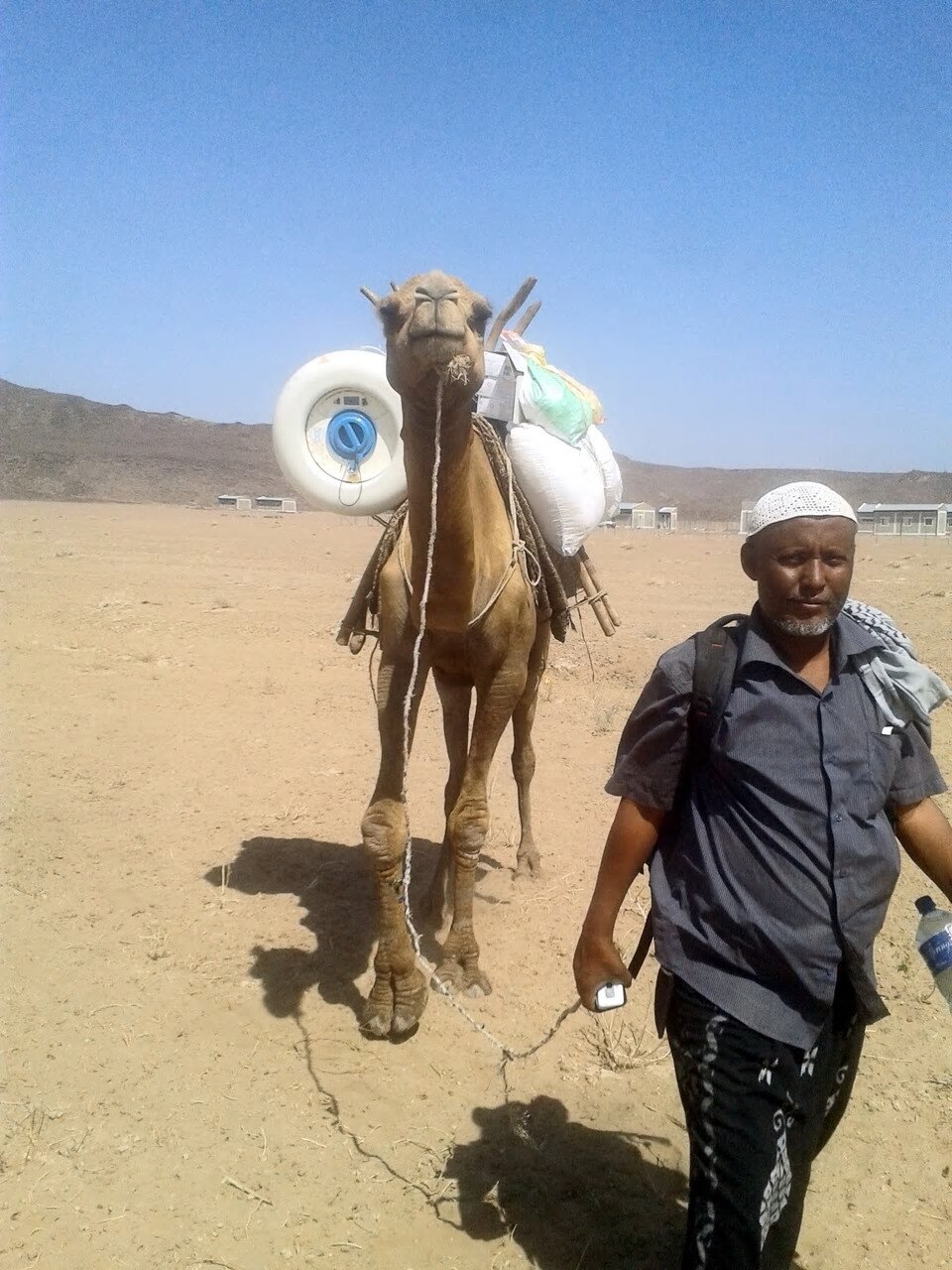
We collaborate with commercial enterprises in China to support the development of innovations that meet the health needs of the developing world. A prime example is the Arktek™vaccine storage device. Storing vaccines at the required temperatures is a major challenge in parts of Africa and Asia where electricity is not available. Developed in partnership with Aucma, one of China’s largest refrigeration manufacturers, Arktek stores vaccines at the appropriate temperature for over a month in the hottest climates without an external power source. The product received WHO prequalification in 2015, opening the way for its deployment in more than a dozen countries, including Nigeria, Ethiopia, India, Haiti, Nepal, and Turkey.
Regulatory reform
China is one of the world’s largest manufacturers of medical products, including many of the vaccines, drugs, and diagnostics that are essential for progress in global health. However, China’s medical products industry remains primarily focused on domestic use, with Chinese-made vaccines and medicines comprising just 4 percent of products approved by the World Health Organization (WHO) for use in developing countries. We are working with Chinese and international partners to remove the barriers to making high-quality and affordable Chinese-made products more readily available to the international market, which could be transformative for global health.
WHO prequalification is often required before medical products are eligible for purchase by developing countries and by multilateral organizations such as Gavi, the Vaccine Alliance; UNICEF; and UNITAID. Disparities between Chinese domestic standards and approval processes and those used by WHO have created practical barriers and reduced incentives for Chinese manufacturers to pursue WHO prequalification for their products.
We work with both WHO and the National Medical Products Administration (China’s primary regulatory agency for drugs and medical devices) to provide technical assistance and support reforms that align Chinese regulations and standards in clinical trials, drug approval, and manufacturing with international norms. This makes it easier for Chinese companies to pursue domestic certification and WHO prequalification of their products simultaneously. China first had a vaccine prequalified by WHO in 2013; as of 2020, five Chinese vaccines had received WHO prequalification.