At a glance
- More than 300 natural disasters have occurred each year over the past decade. In 2023 alone, natural disasters killed more than 86,000 people, affected more than 93 million others, and resulted in estimated economic damage of nearly US$203 billion.
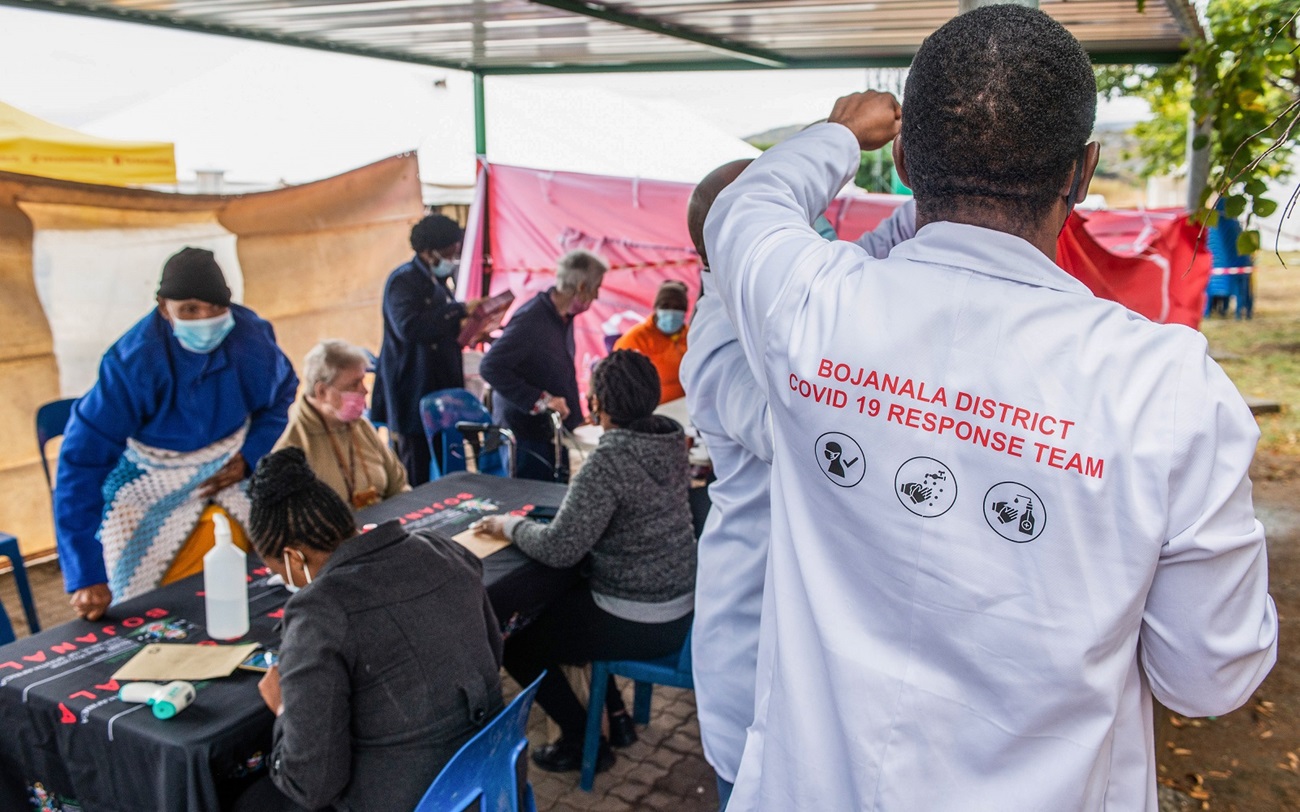
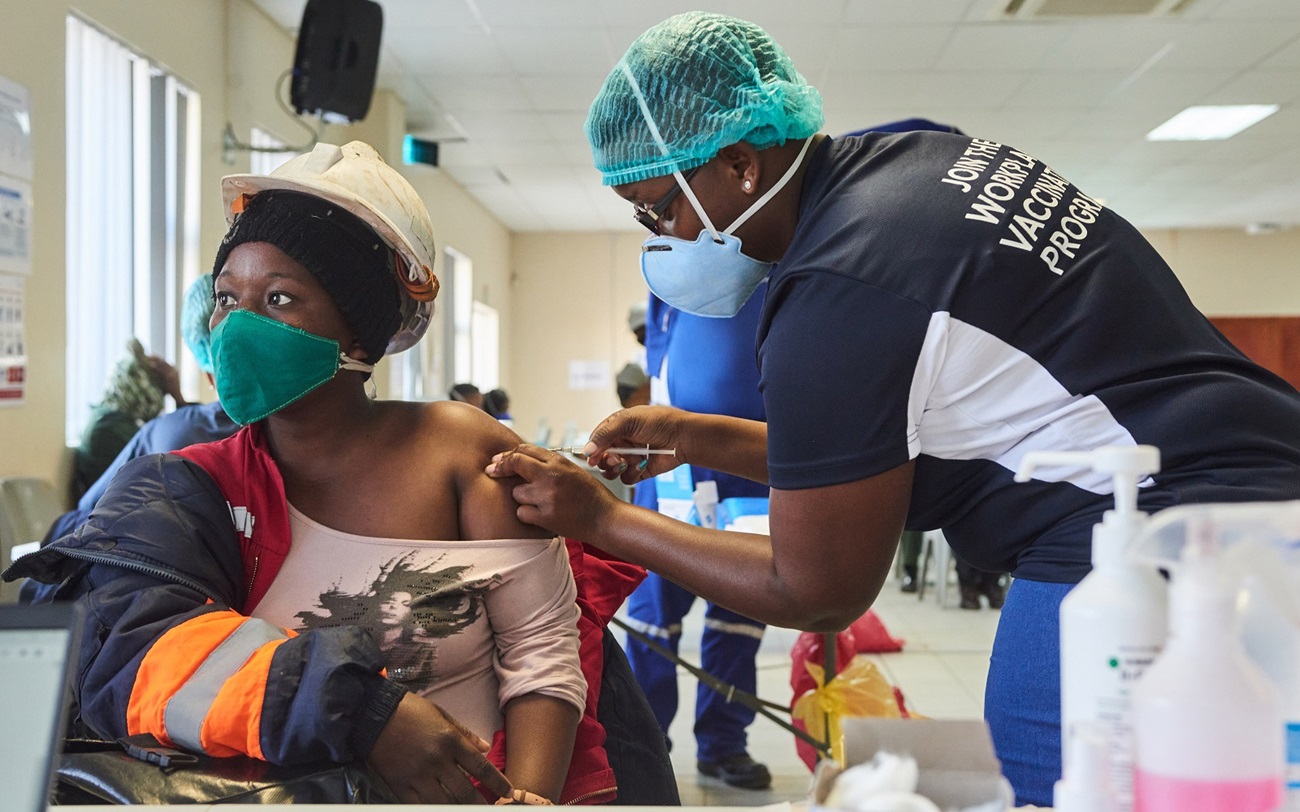
- Our investments support relief efforts in response to rapid-onset natural disasters such as cyclones, earthquakes, and disease outbreaks (including the COVID-19, cholera and Mpox epidemics), slow-onset crises such as famine and drought, and acute complex emergencies related to political unrest, conflict, and violence.
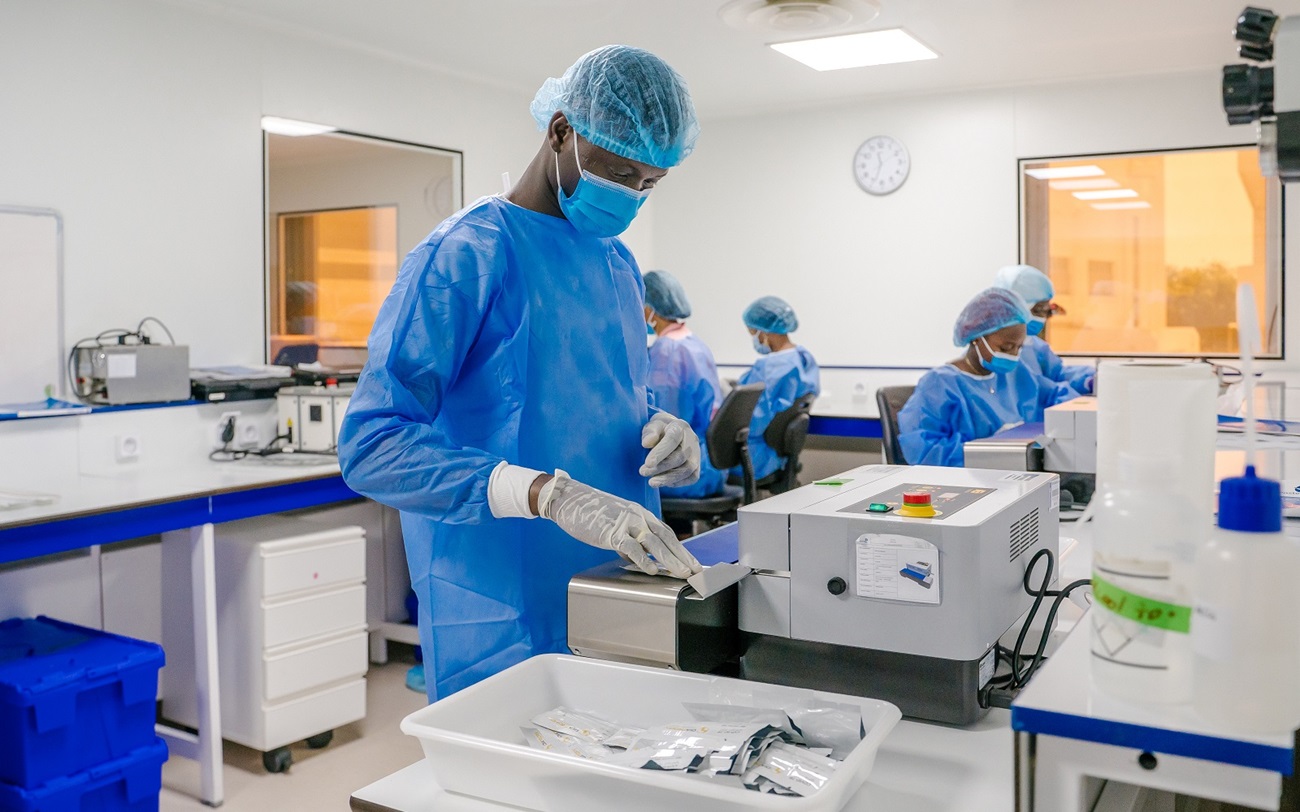
- We also invest in improving the response speed and capacity of our local, national, and regional partners, including by equipping them with innovative approaches and tools that can reduce the impact of disasters and emergencies and build more resilient systems for the long term.





Our strategy
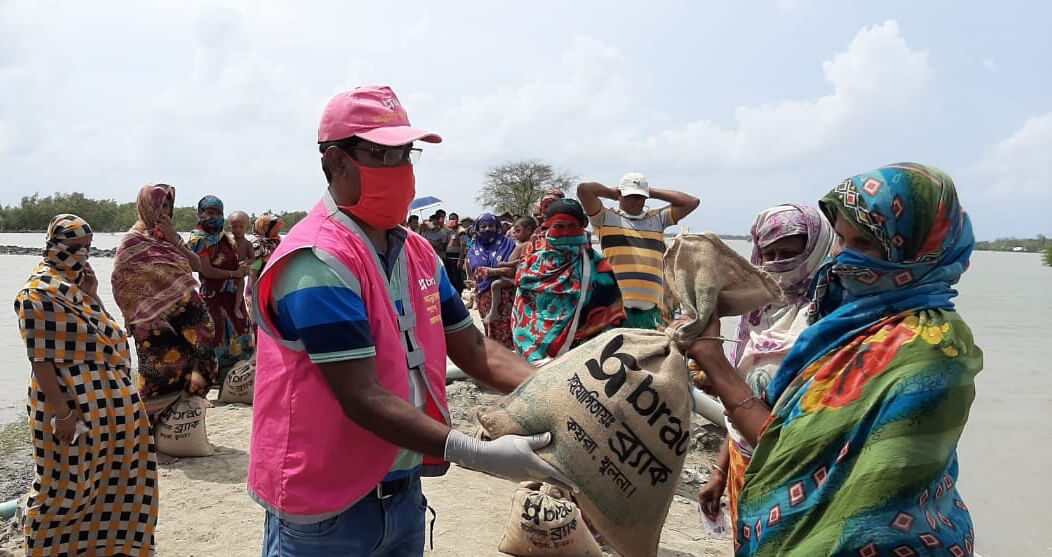
Our team works to save lives, reduce suffering, and improve response systems in regions affected by natural disasters, disease outbreaks, and complex emergencies. We do this by providing resources, leadership coordination, guidance, and technical expertise to global and local actors in the humanitarian sector. The emergencies we respond to, which often number in the dozens per year, have included the Ebola virus outbreak in West Africa, cholera outbreaks in Zambia and Zimbabwe, flooding in Bangladesh, Nigeria, and Pakistan, historic earthquakes in Myanmar, and conflict and displacement in South Sudan.
We also work to help ensure that communities are prepared to respond when disasters occur, with the aim of improving the speed and performance of first responders in the critical first hours of an emergency. This includes investing in the capacity of first responders, their organizations, and local institutions to help communities prepare for and cope with future shocks. For example, we have supported development of public health emergency operations centers at the local level in several countries, including Senegal, Cameroon, and Mozambique.
In addition, we collaborate with other foundation programs to develop and introduce innovative products and approaches that can save lives and build community resilience before and after emergencies. One example is our partnership with the Water, Sanitation & Hygiene team to pilot innovative waste management systems in refugee camps in Bangladesh that improve health, dignity, and sanitation.
Areas of focus
We provide grants to help our partners respond to three general types of emergencies.
We provide grants to help our partners respond to three general types of emergencies.
- Rapid-onset emergencies. The largest portion of our emergency funding is disbursed as flexible funding to address high-impact disasters, including disease outbreaks. Within 24 to 72 hours, we approve funding to pre-vetted partners who have the local and national capacity to respond effectively. For example, immediately after catastrophic earthquakes hit Myanmar in 2025, killing more than 3,000 people, we made grants to Oxfam, the U.S. Fund for UNICEF, and the Asian Disaster Preparedness Center to help provide families with immediate shelter, food, water, sanitation, and financial support options.
- Complex emergencies. Many emergencies in this category include an element of violent conflict and involve political and military forces and disruption of national systems, while others have roots in natural phenomena. Our grants in this category often go toward basic relief support—including food, water, sanitation and hygiene, health care, and shelter—in the acute phases of complex emergencies, such as during peaks in violence or displacement. In 2023 and 2024, for example, we made grants to respond to the humanitarian crisis in Gaza, where civil conflict led to population displacement and civilian deaths.
- Slow-onset emergencies. Drought and famine are among the slow-onset emergencies that we work with our partners to address. For example, we have supported relief efforts in response to severe food insecurity in Haiti and drought in East Africa. These efforts include programs to build stability in communities through approaches such as improved agricultural practices that can help people remain productive in the face of future droughts.
The relief agencies we support deliver food and clean water, improve sanitation, provide medical attention and shelter, prevent or minimize disease outbreaks, administer cash-for-work programs, and provide other services in response to urgent needs.
We work with local, national, regional, and global partners to strengthen emergency response systems and build more resilient communities.
We work with local, national, regional, and global partners to strengthen emergency response systems and build more resilient communities.
To ensure that communities are better prepared for disasters and public health emergencies, we work with local institutions that are on the front lines before, during, and after crises and support regional networks that can scale up effective practices. We also work with global actors that can contribute resources, innovative tools, and policy influence—including through initiatives such as the Global Health Emergency Corps, a regionally and globally coordinated approach to health emergency response based on country-level prevention, preparedness, response. Together, these pieces form the backbone of a more resilient and effective humanitarian system.
Through this partnership model, we invest in preparedness by supporting locally led planning, building public health response capacity, and creating opportunities for peer learning across geographies. We also work to ensure sustainable funding, foster innovation, and cultivate leadership that enables rapid, coordinated action when emergencies occur.
By helping to build stronger systems at every level, we can shift the humanitarian sector from primarily reactive responses toward proactive preparedness and resilience. We evaluate our efforts by learning from what works, using evidence to inform future investments and amplify our impact.
We collaborate with other foundation programs to develop and study new approaches to disaster assistance, including innovative tools and technologies.
We collaborate with other foundation programs to develop and study new approaches to disaster assistance, including innovative tools and technologies.
For example, we have worked with the Water, Sanitation & Hygiene team to support development and testing of approaches to improve water and sanitation in emergencies. With that team as well as the Agricultural Development team and Global Delivery Program team, we have supported development of new toilet prototypes, improved sanitation methods for use in refugee situations, and solutions to address climate effects on agriculture.
Why focus on emergency response?
Emergencies occur nearly every day and affect thousands of communities around the world, leaving people in urgent need of help to survive and recover. The circumstances can range from catastrophic rapid-onset natural disasters and disease outbreaks to slow-onset crises such as food shortages, drought, and gender-based violence and displacement of populations due to war and civil unrest. While some emergencies—such as the 2023 Turkey-Syria earthquakes and the 2025 monsoon flooding in Pakistan—gain widespread media coverage, countless others remain underreported and underfunded. Both rapid- and slow-onset emergencies can erase hard-won development gains and hinder progress, significantly reducing community resilience. For many countries, especially those facing climate change and chronic conflict, emergencies are no longer rare events—they are the “new normal.”
While rapid relief assistance is essential, saving lives in the short term after an emergency is only one part of the solution. Building preparedness capacity and resilience, along with testing innovative interventions in emergency settings, can help communities withstand shocks better, recover faster, and protect development gains. That is why we work with partners at the local, national, regional, and global levels, providing rapid, flexible support when emergencies occur and investing in innovative tools and approaches that strengthen systems for the future.
By combining lifesaving response with preparedness and innovation, we can help shift the humanitarian sector toward a model that emphasizes resilience—so that when future emergencies happen, communities are ready not just to survive, but to thrive again.

Our partners
If you would like to get involved in relief efforts, we encourage you to support organizations that are actively working to help affected areas. Please visit the websites of these organizations to learn more about what they do and how you can help.