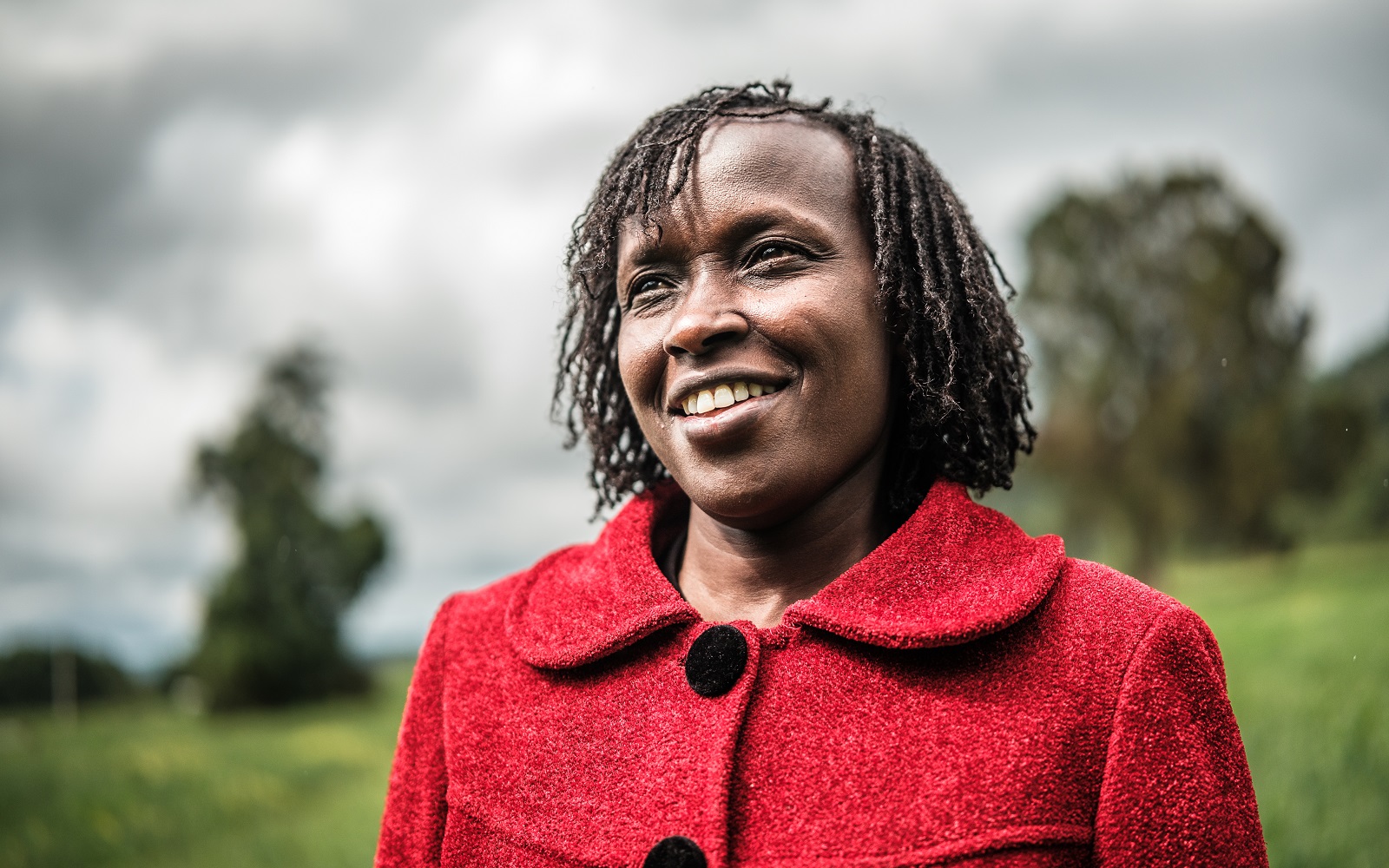
What’s on your dinner plate?
Maybe it’s a grain, like wheat or sorghum. Or a legume, like soybeans or chickpeas. Whatever your favorite food, on this Earth Day it’s worth asking: How is a changing climate affecting what goes on our plates?
How farmers are adapting to extreme weather

This shift is already happening in regions long vulnerable to weather extremes, including South Asia and sub-Saharan Africa. In Malawi, for example, prolonged drought led to major maize losses in 2024. In India, extreme heat has shriveled wheat crops in recent years. And in Pakistan, torrential flooding has wiped out large areas of farmland.
Events like these have impact far beyond the dinner table. Across these regions, many families depend on the land for both their food and their livelihood. Smallholder farmers—many of them women—do the vital work to feed their families and communities. When crops fail, communities experience more hunger and fewer opportunities for a healthy, stable, and prosperous future.
But something else is happening, too. Smallholder farmers are changing what they grow, how they grow it, and how they prepare for an uncertain future.
They’re adopting innovations like: improved seed varieties bred to withstand heat, simple irrigation methods that can help keep crops alive during drought, and planting ancient, climate-resilient grains. And with advisory services powered by artificial intelligence available on their phones, they’re tapping into new sources of information that help them identify plant diseases and respond to extreme weather before it reaches their farms.
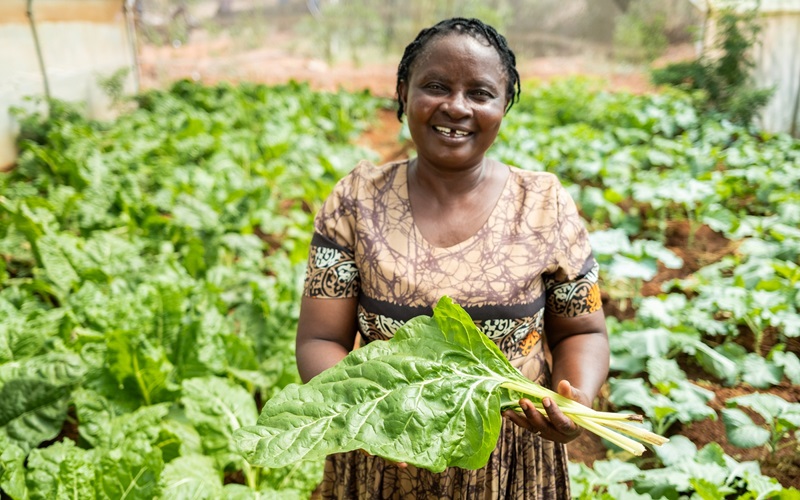
Smallholder farmers like Phoebe Mwangangi in Kenya are adopting innovative farming techniques such as rainwater harvesting and minimal soil disturbance and planting climate-resilient crops to adapt to climate change and protect their livelihoods.
This kind of progress matters.
Decades of evidence show that when a farmer has the tools to adapt to a changing climate, she can better feed her family and protect her livelihood. Health improves. Yields increase. Surplus can be sold at the market. And with more stable income comes the ability to invest in education, nutrition, and the future.
So what does this mean for the foods we rely on every day? Which ones are more resilient in a changing climate—and why?
Take our quiz to explore how different foods are grown, how they’re being affected by climate change, and what exciting innovations farmers are using to adapt.
Take the quiz to learn about agricultural advancements
Can you match the agricultural crop to the everyday foods you know and love?
Smallholder farmers on the front lines are adapting to the changing climate by adopting innovations that make their crops more productive, drought tolerant, and disease resistant. That’s a win for smallholder farmers, for the families that rely on the food they produce, and for local economies.


About Economic Opportunity
Everyone deserves the chance to live a healthy, productive life—and have access to the tools and resources to shape their own future. But for many people—especially women and girls—access to basic needs like nutritious food, quality education, and jobs is still out of reach. That’s why we’re focusing on areas with the greatest potential to improve lives, like agriculture and education.
Read next