At a glance
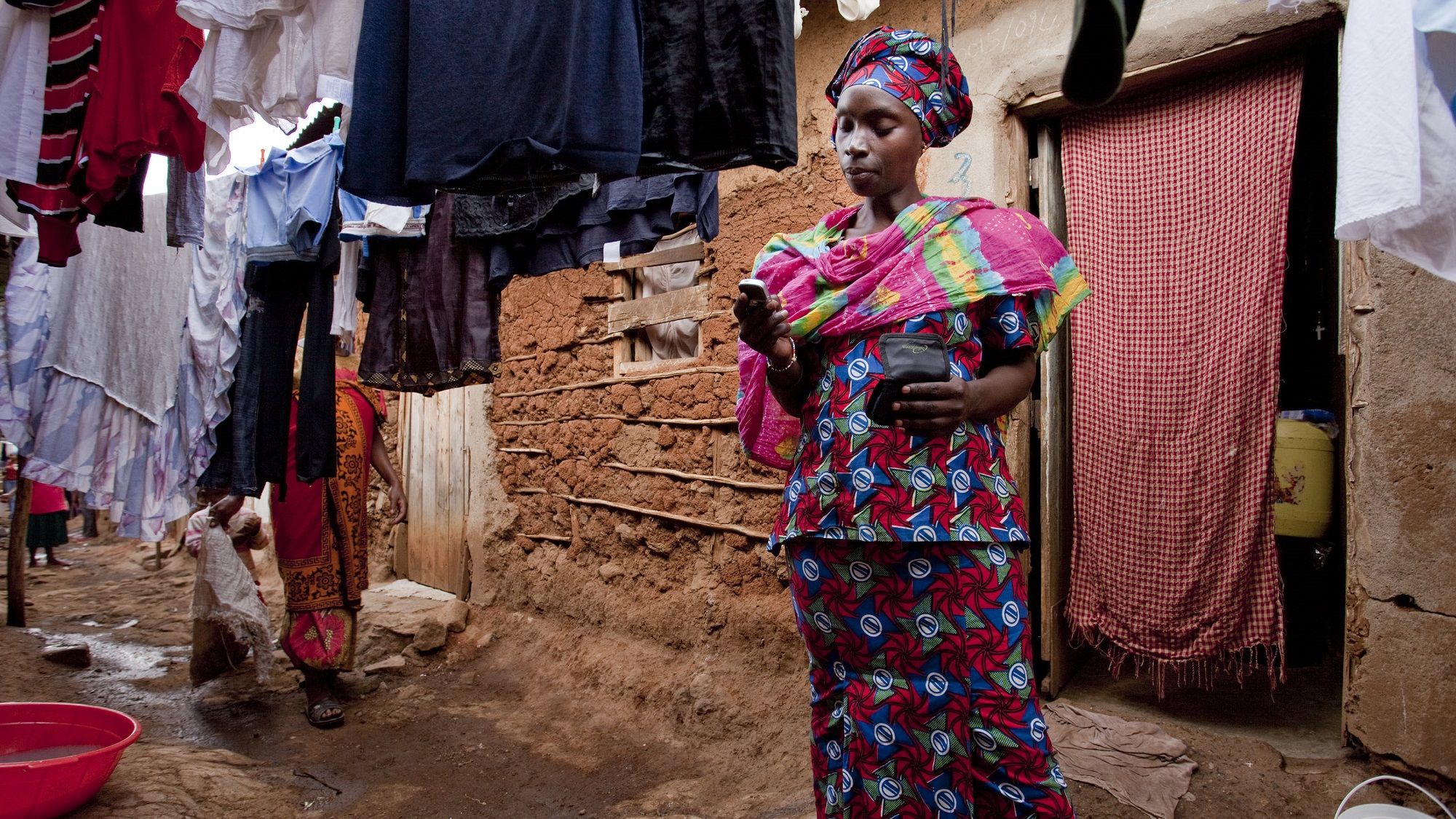
- Today, nearly 80% of people worldwide have an account at a financial institution or through a mobile money provider, up from roughly half in 2011.1 This revolution in financial inclusion has the potential to offer a pathway out of poverty for hundreds of millions of people and to spur broad economic growth.
- We work to expand the availability of affordable and reliable financial services that serve the needs of all, including people in low-income and underserved communities.
- Digital technologies and changes in national policy are clearing away obstacles that once kept these services out of reach for many, but tough challenges remain.
- We work with our partners to support public and private investment in digital payment infrastructure, new regulatory standards, digital financial services, and gender equality initiatives to ensure continued progress toward the promise of financial inclusion.
1 World Bank, “Global Findex 2025”




Building inclusive, resilient economies
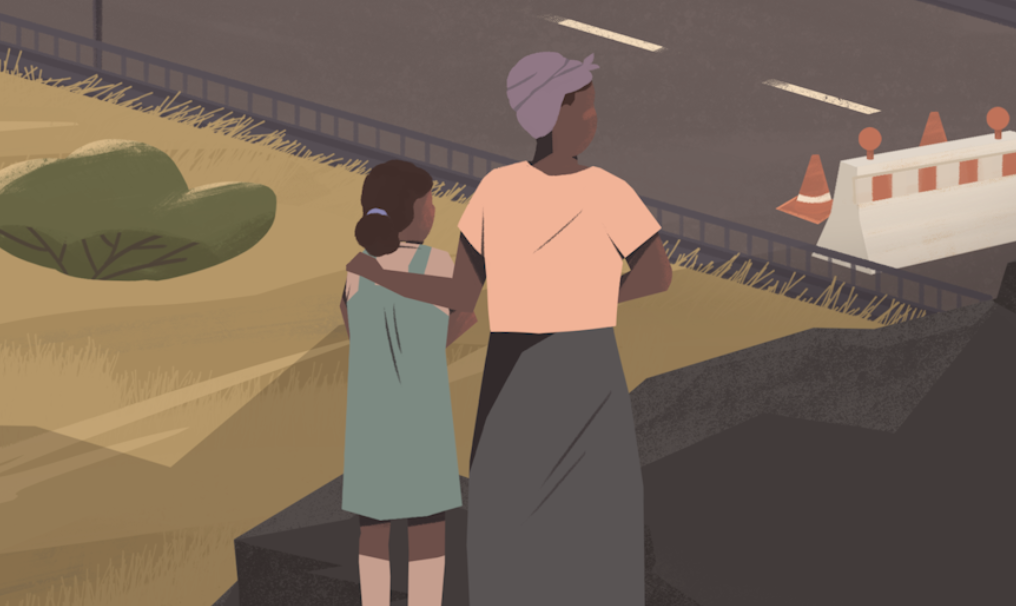
“By connecting people and making it easier to move money and share information, DPI is in many ways the modern-day equivalent of the roads and bridges that helped reshape economies in the 19th century.”
Our strategy
Financial inclusion matters because people need practical, affordable ways to manage their financial lives. Meeting those needs requires financial systems that work for everyone. Since 2011, we have focused on building the enabling environment for that progress—including supporting interoperable payment systems and modern regulatory frameworks that allow the private sector to serve people sustainably and at scale.
By design, this work was never intended to be permanent. The foundation will conclude its direct engagement in inclusive financial systems in 2030. Until then, we are concentrating on ensuring that the systems and institutions needed for continued progress are firmly in place. This includes advancing inclusive instant payment systems in every country in Africa so people, businesses, and government agencies can transact easily and securely across providers and borders. We are also reinforcing regulatory and supervisory institutions in major low- and middle-income countries so that markets remain competitive, innovation continues, and consumers are protected as financial systems become increasingly digital.
Rather than promote specific products or providers, we aim to support countries in shaping the conditions for markets to function effectively—lowering the cost to reach poor and rural customers and helping ensure that responsible providers can innovate, invest, and grow. Governments, multilateral institutions, civil society organizations, and private sector partners are well positioned to carry this work forward. Our goal is to help ensure that inclusive financial systems continue expanding opportunities so that individuals, families, and communities can build security and prosperity long after our direct involvement ends.
Areas of focus
One of our most important priorities is the development of digital payment systems that people, businesses, and government agencies will actually use.
One of our most important priorities is the development of digital payment systems that people, businesses, and government agencies will actually use.
These systems can foster competition, drive innovation, and accelerate the development of digital financial products and services customized for the needs of low-income communities. To be genuinely inclusive, these payment systems must have five key traits:
- Accessible. They need to reach into the poorest neighborhoods and smallest villages, and they need to be easy to acquire and understand.
- Reliable. Users’ money and information must be readily available and highly secure—protected against cybertheft, money laundering, and other breaches.
- Valuable. They must offer people clear advantages over using cash.
- Affordable. They must be cost-free for all or most people.
- Profitable. They must fully involve the private sector and allow service providers to develop sustainable business models.
Perhaps the most important condition for the development of these payment systems is interoperability—allowing customers to transact with any other customer, whether or not they use the same service provider. This kind of open-loop system substantially lowers the costs and complexity of digital financial services and payment platforms. Opening up payment infrastructure to new kinds of companies outside of traditional banking organizations can help accelerate the development of these systems.
Our team is actively exploring ways to accelerate use of digital financial services.
Our team is actively exploring ways to accelerate use of digital financial services.
One priority is facilitating services that help consumers convert digital money to cash when needed. These “cash in, cash out” services must be easily accessible, trusted, and available at low cost for consumers in order to work well and enable use by more people. But they are the highest-cost component of a digital payment ecosystem and the biggest challenge for private-sector players that want to provide innovative payments solutions. Aligned to this, our DPI program is working to promote the development of effective identification systems in priority geographies. ID platforms such as the Aadhaar system in India are promising models for providing safe, efficient, and widely beneficial identification services that support financial inclusion across a country.
Governments can accelerate financial inclusion by establishing regulatory frameworks, policies, and incentives to help a wider variety of digital financial service providers compete on a level playing field while protecting consumers and the financial system.
Governments can accelerate financial inclusion by establishing regulatory frameworks, policies, and incentives to help a wider variety of digital financial service providers compete on a level playing field while protecting consumers and the financial system.
Open and fair competition will spur innovation and competition and drive down costs, as will essential regulations governing agents, licensing, and know-your-customer policies. But financial inclusion is not just about developing systems and lowering barriers. Our work also focuses on new risks and challenges, including how to protect millions of new consumers and how a wider range of market participants can be supervised.
At the core of our foundation’s approach to digital financial inclusion are investments that ensure that women also benefit from empowering financial tools and services—such as digital financial accounts, mobile money, and credit.
At the core of our foundation’s approach to digital financial inclusion are investments that ensure that women also benefit from empowering financial tools and services—such as digital financial accounts, mobile money, and credit.
When women can fully participate in the economy, they enhance the prosperity of their families, communities, and countries. Women’s economic participation is essential for resilient, sustainable economic growth.
To make sure financial systems in our focal countries are inclusive, we make investments that reduce barriers to entry for women entrepreneurs and facilitate digital platforms for women’s entrepreneurship and financial inclusion. As part of our efforts support the modernization and improvement of digitally enabled services, we invest in scaling up inclusive platforms, particularly for digital payments, which improves women’s financial and economic inclusion and activities.
Why focus on inclusive financial systems?
Every year, millions of people around the world transition out of poverty. Economic opportunities like new jobs, technologies, and business opportunities help people build more stable economic lives. At the same time, millions of people remain trapped in a cycle of poverty that is difficult to escape. We believe that financial exclusion is a significant driver of this cycle.
About 1.3 billion people worldwide are excluded from formal financial services such as savings, payments, insurance, and credit. In low- and middle-income countries, only 75 percent of adults have an account, and women—about 700 million of them—are disproportionately excluded from beneficial financial systems.
Most poor households still operate almost entirely through a cash economy. This means they have to save using physical assets, such as livestock or jewelry. Cash gets spent, animals die, and jewelry can be lost or stolen. What’s more, these forms of savings earn no interest and can actually lose value over time. To send money to family, those without a bank account have to rely on couriers or friends who carry cash by bus, which is expensive, insecure, and slow. To borrow money in an emergency, they must turn to moneylenders who charge notoriously high interest rates.
Without formal financial histories, people are also cut off from potentially stabilizing and uplifting opportunities like building credit or getting a loan to start a business. And it’s harder to weather common financial setbacks, such as serious illness, a poor harvest, or an economic downturn. All too often, financial exclusion makes the expenses of poverty difficult to overcome.