In 2025, I made two decisions that define the foundation’s future: I’ll donate virtually all of my remaining wealth—about US$200 billion—over the next two decades, and the foundation will close its doors at the end of 2045.
From the beginning, I understood that the foundation wouldn’t be permanent. Philanthropy is at its best when it is time bound and focused on the areas of greatest need.
But entering this final chapter forces all of us at the Gates Foundation to focus even more sharply on where we can accelerate progress the fastest, take risks that others can’t, and support partners in ways that lead to impact long after we’re gone.
As the foundation looks toward 2045, our work centers on three ambitious goals—areas where breakthroughs and strong systems can change the trajectory of millions of lives:
- No mom, child, or baby dies of a preventable cause;
- The next generation grows up in a world without deadly infectious diseases; and
- Hundreds of millions of people break free from poverty, putting more countries on the path to prosperity.
“Dad, maybe we can do something about this?”
The core belief that guides our work—that every life has equal value—comes from lessons my parents taught me early on. It shaped the foundation from the start.
In the late 1990s, as our wealth from Microsoft grew, my then-wife Melinda and I began to look for ways to give back. Our charitable giving started with a focus on expanding access to technology in U.S. public libraries. Then, I read a newspaper article that stunned me: millions of children in low-income countries were dying each year from diseases the world already knew how to prevent. I sent the article to my dad with a note that said, “Dad, maybe we can do something about this.”
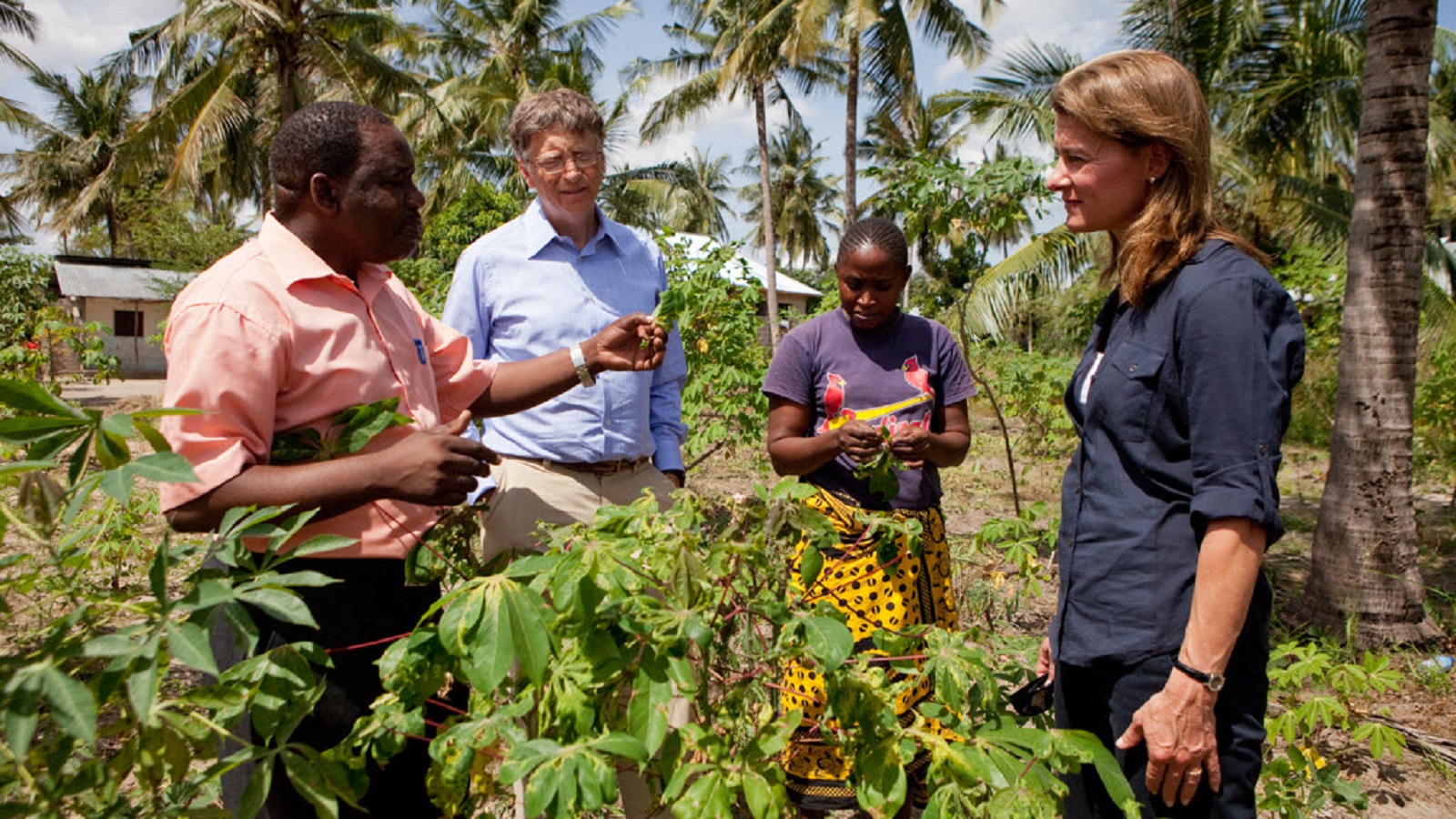
That moment changed the trajectory of my life and ultimately, the lives of many others. I began meeting with scientists, health workers, and community leaders who understood the biggest barriers to saving lives. They helped me see where philanthropy could be useful—by backing innovations that could scale and support the people closest to the problems.
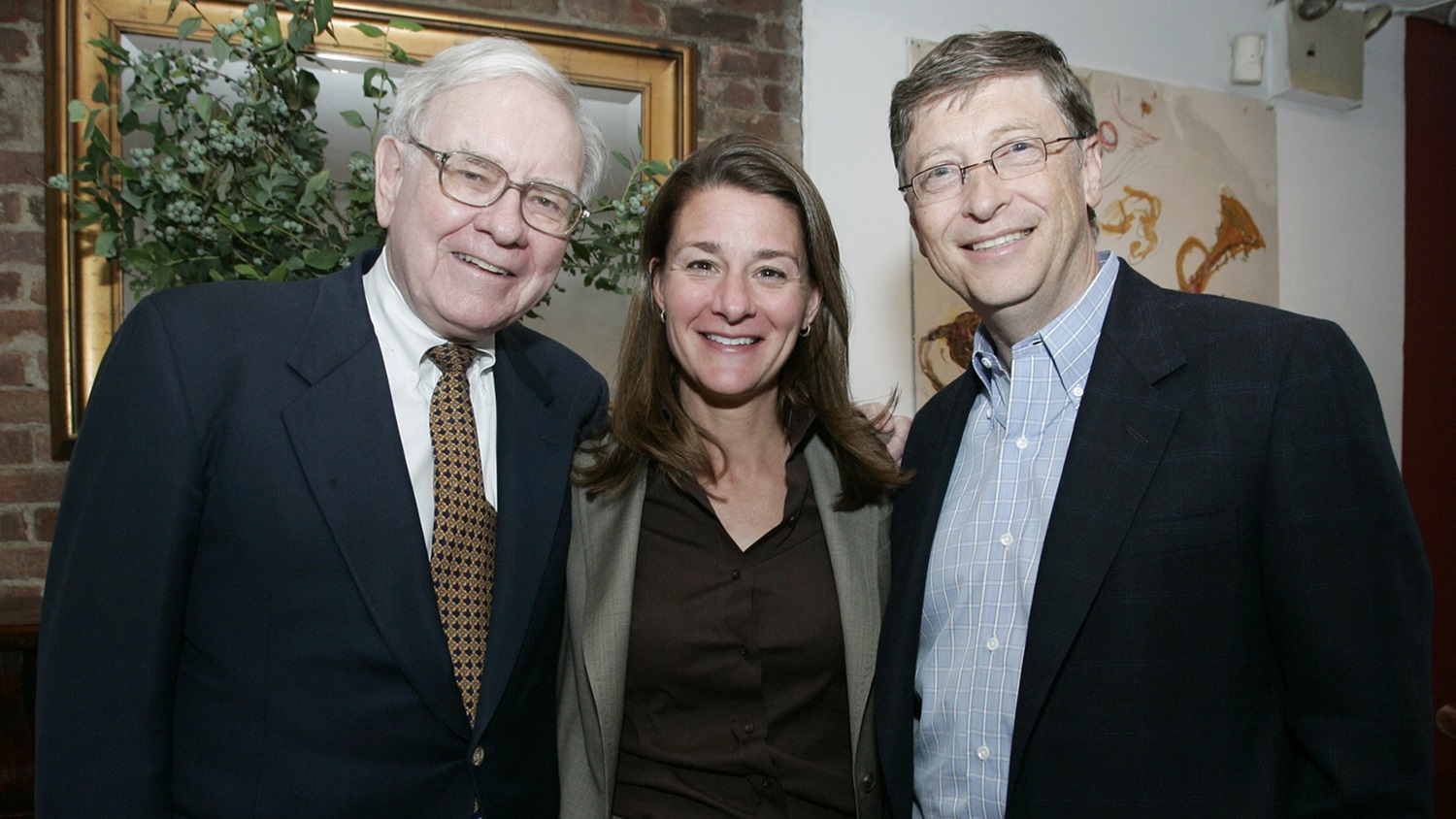
In 2000, the Gates Foundation (formerly the Bill & Melinda Gates Foundation) was born. The foundation’s early commitments—like co-founding Gavi with a US$750 million pledge and supporting the creation of the Global Fund to Fight AIDS, Tuberculosis and Malaria—set the stage for our focus on lifesaving solutions. In 2006, the foundation received an extraordinary gift, which transformed our work: Warren Buffett pledged US$30 billion to enable us to go deeper into the work and make big bets on long-term challenges.
What we’ve learned
Over its first 25 years, the foundation invested more than US$102.3 billion in global health and development, U.S. education, and economic mobility. With teams and partners across over 140 countries, we’ve helped drive measurable progress:
- Child mortality has been cut in half since 2000.
- Vaccines, better diagnostics, and stronger primary healthcare have saved millions of lives.
- More women have access to the health care and a wide array of family-planning options.
- Advances in nutrition, sanitation, and agriculture have helped unlock opportunity for millions.
This progress is thanks to thousands of partners—scientists, governments, community leaders, NGOs—whose expertise and persistence make change possible.
Transitions
After a long life defined by service to others, my dad, Bill Sr., died in 2020. Melinda left the foundation in 2024 to pursue her own philanthropic priorities, with a focus on accelerating the pace of social progress for women and young people in the U.S. and around the world.
Warren Buffett was a trustee of the foundation until 2021, and continues to provide regular, generous donations to the foundation, contributing an incredible $43 billion to date. Their leadership, along with the contributions of many others, fundamentally shaped the foundation’s first 25 years.
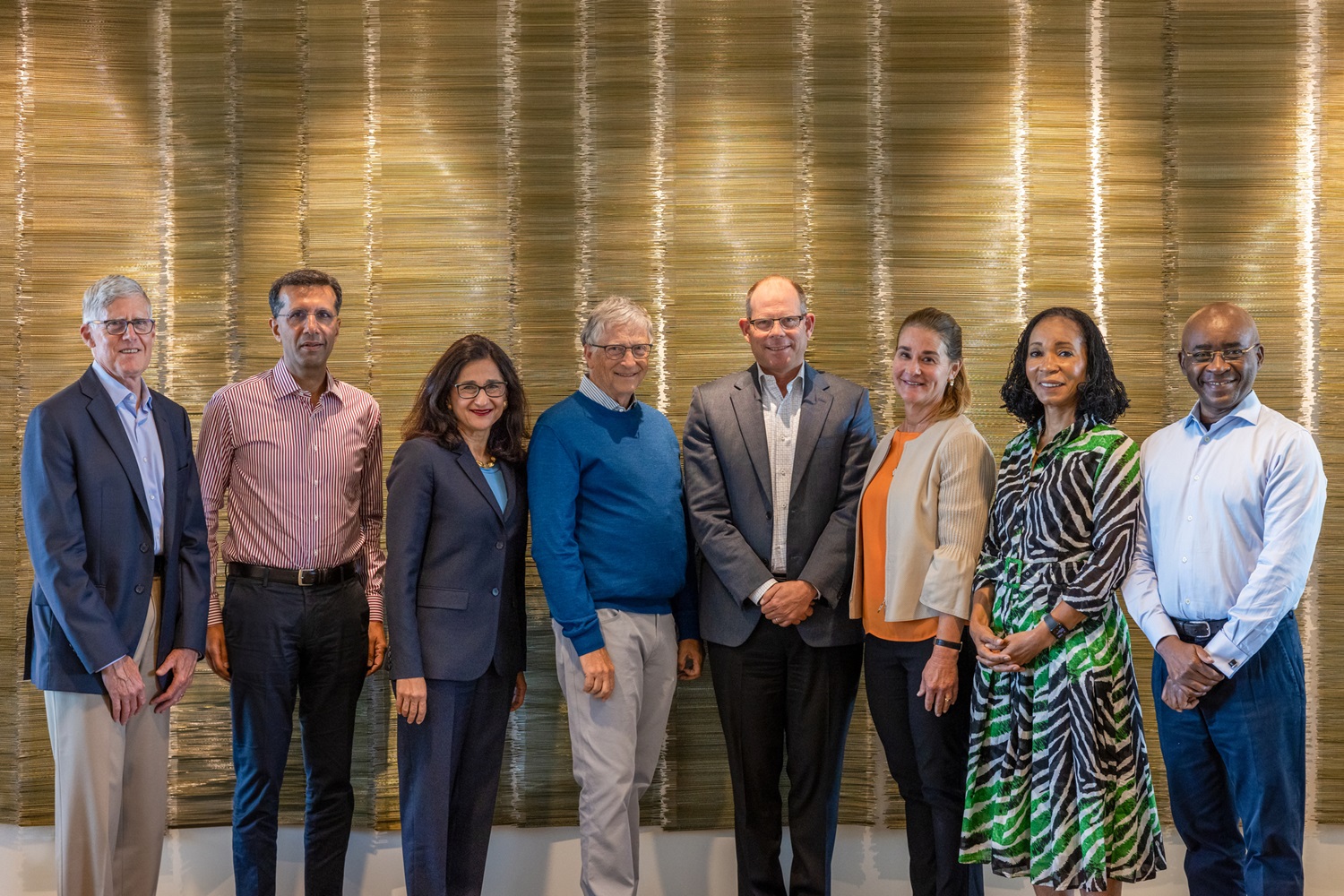
In 2022, we established an independent Governing Board, and it's made us a stronger organization. Having people who bring independent judgment and oversight — who will ask hard questions and hold us to high standards — is how you make sure an organization like this is living up to its commitments.
Our final chapter
I know exactly when this story will end: on December 31, 2045, the foundation will cease to exist.
But none of us knows how it will end. That part isn’t written yet.
The innovations we have today are extraordinary—far beyond what we imagined when we started.
But innovations aren’t a goal. The goal is the impact they make possible: the lives saved and opportunities unlocked so that people everywhere can lead healthier, more productive lives.
That’s why the foundation exists, and what we’ll spend every day working toward, with the focus and energy the world deserves.
Our three goals


Timeline